AI Translation Glasses for Travel: Honest Review

A pair of sunglasses that translates 164 languages in real time sounds like a prop from a spy film, but I wore the MNVOEQ AI Smart Glasses on a Tuesday morning commute and came home genuinely surprised.
The gate agent at the connecting terminal was speaking fast, clipped Portuguese, and my phone was buried somewhere under a neck pillow and two boarding passes. I almost missed my connection. That moment, more than any unboxing or spec sheet, is why I kept coming back to the MNVOEQ AI Smart Glasses over the following weeks. These are glasses that promise to dissolve the language barrier, pipe your music through a frame you’re already wearing, and adapt their tint to whatever sky you’re standing under. That’s a lot to promise. What surprised me is how much of it they actually deliver, and how quietly a travel gadget this strange can slide into daily routine.

The First Time I Used It
I found these on a late-night scroll through a travel accessories roundup, wedged between a packing cube set and a universal adapter. The product name read like a spec dump, and I almost kept scrolling. But the photochromic lens detail caught me. I have exactly one pair of prescription glasses and one pair of sunglasses, and I’ve spent years annoyed at the moment between indoors and out when neither is quite right. The idea of a single frame that handled both, and also happened to translate Mandarin, felt almost too convenient to be real.
I ordered them expecting a novelty. What arrived felt more considered than the price point suggested. The frame is matte black aluminum with polycarbonate lenses, and it sits on the face with the kind of neutral confidence that doesn’t scream “tech wearable.” That matters more than I expected it to.
How It Actually Performs
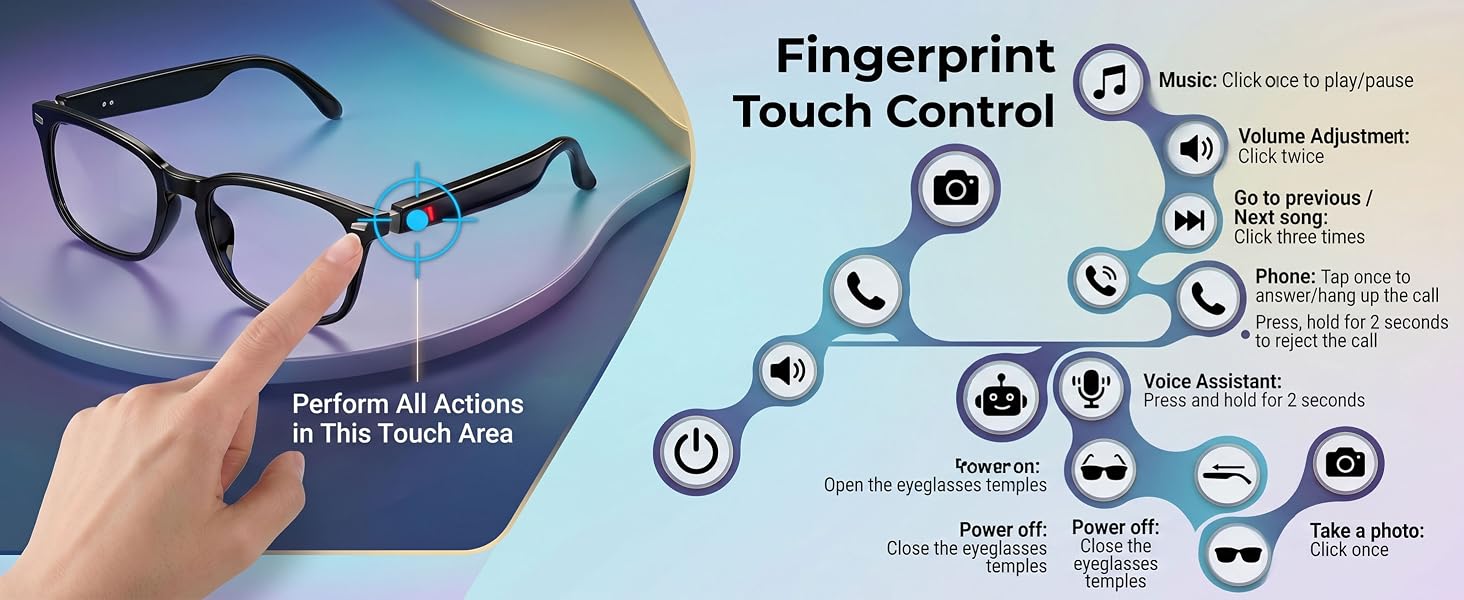
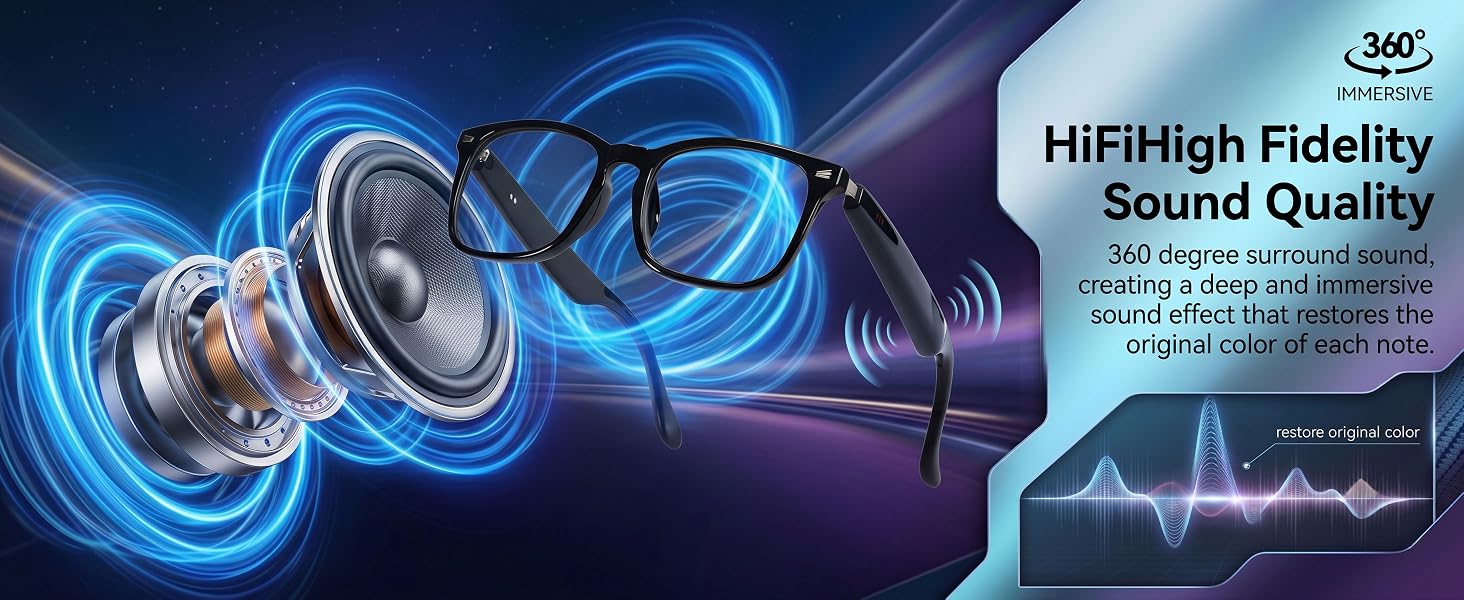
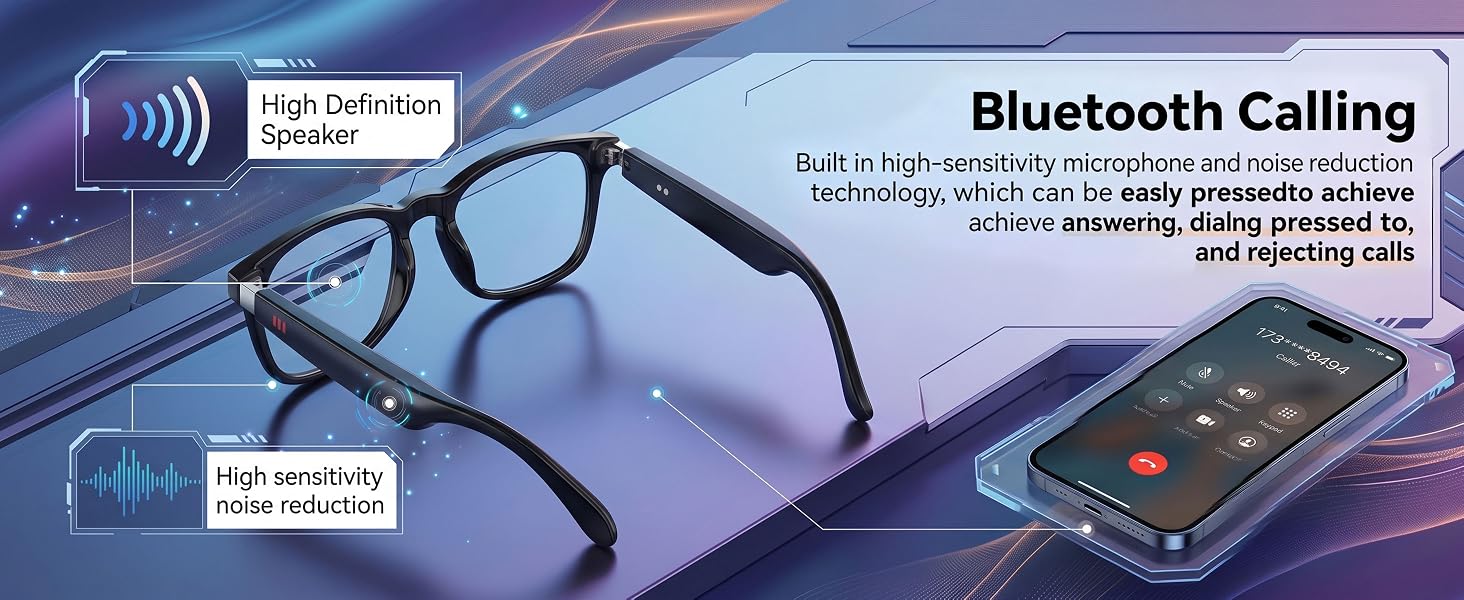
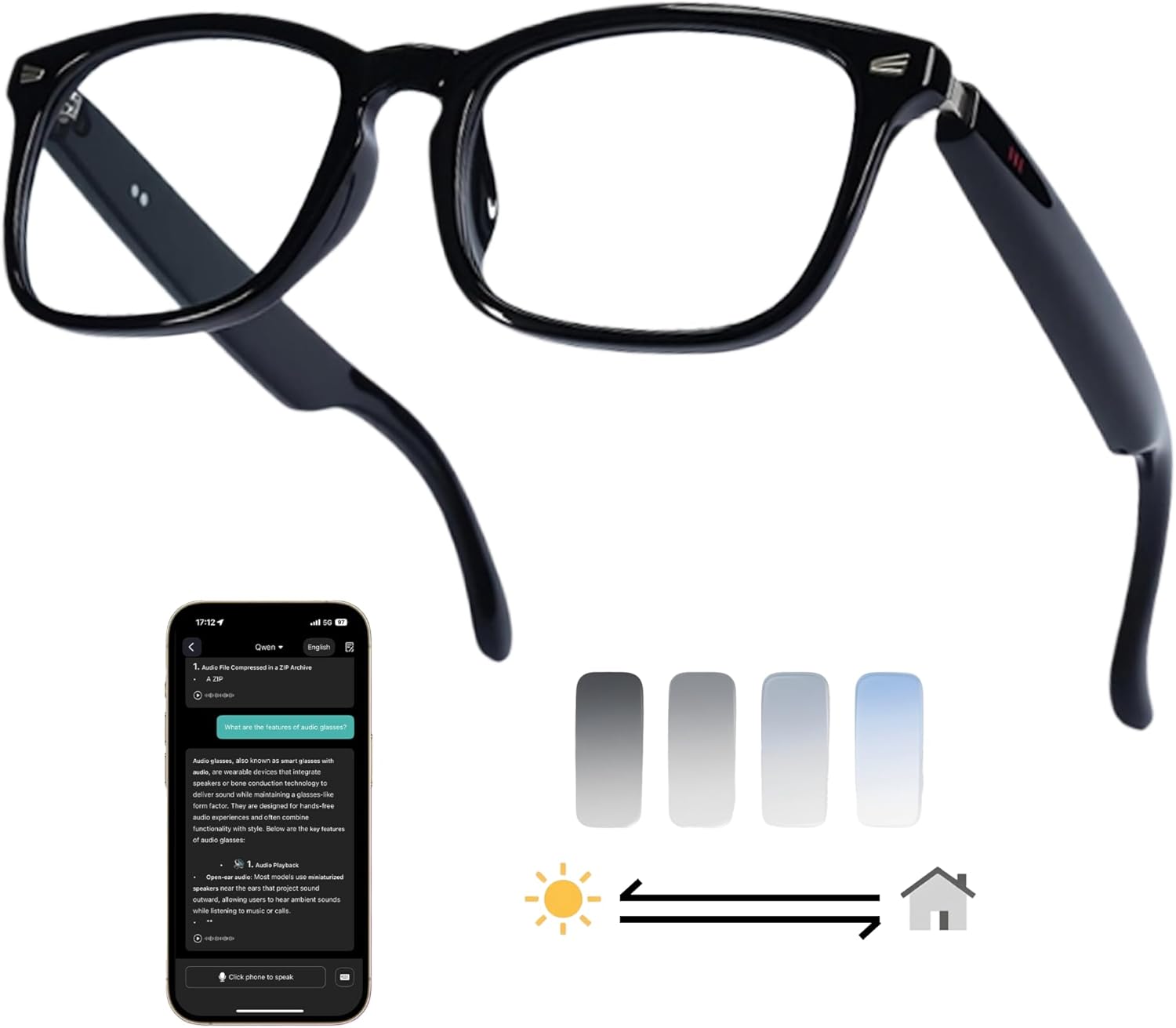
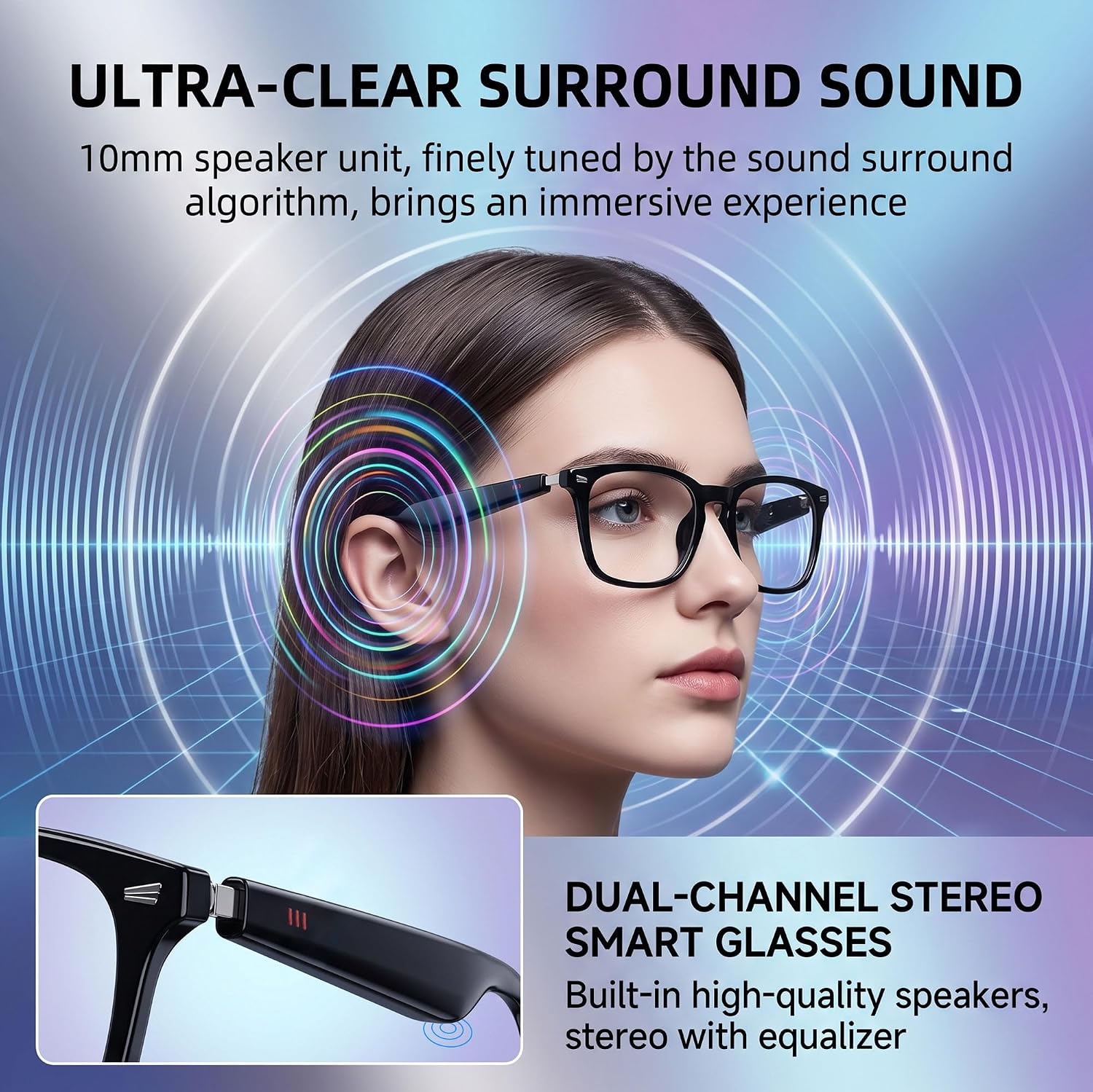
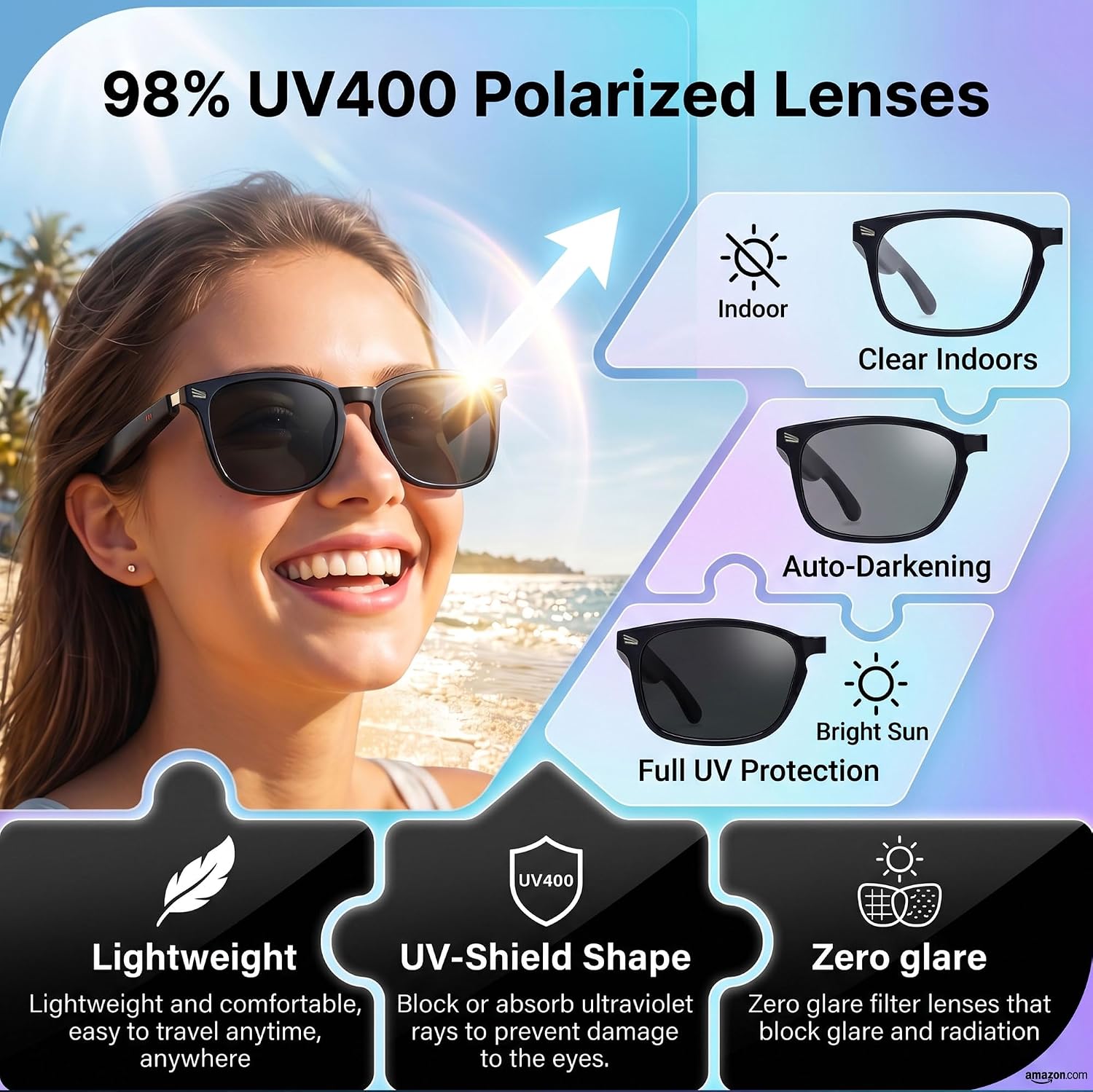
Pairing over Bluetooth took about forty seconds. The speakers are built into the arms of the frame, angled toward the ear canal without touching it, and the audio is better than it has any right to be, not audiophile-grade, but clear enough for a podcast on a walk or a phone call while your hands are full of luggage. The AI translation feature connects through the companion app, and in testing against Spanish, French, Japanese, and a clumsy attempt at Thai, the response lag was short enough to feel conversational rather than robotic. The photochromic lenses shift visibly within about thirty seconds of hitting direct sunlight, which is slower than the premium brands but functional for real use.
“A travel gadget this strange has no business feeling this wearable, and yet here we are.”
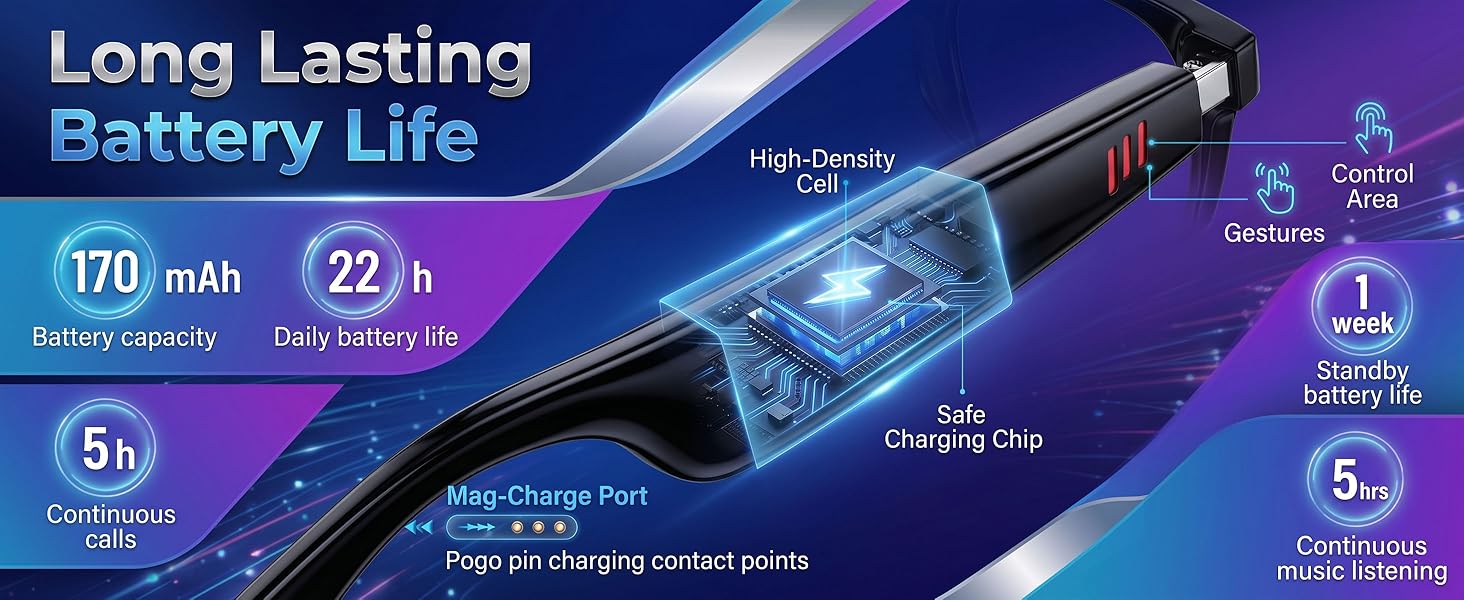
Battery life is rated at up to five hours, and in my testing that held reasonably true with mixed use: translation active for about ninety minutes, Bluetooth audio for the rest. Heavy translation use drains it faster. There is no wireless charging here, which is a genuine inconvenience for a travel-forward wearable category that’s moving toward cable-free everything. The charging cable is proprietary, which means losing it is a real problem if you’re on the road.

How I Actually Used It
Setup 1: Tuesday Standup, Hybrid Office Chaos
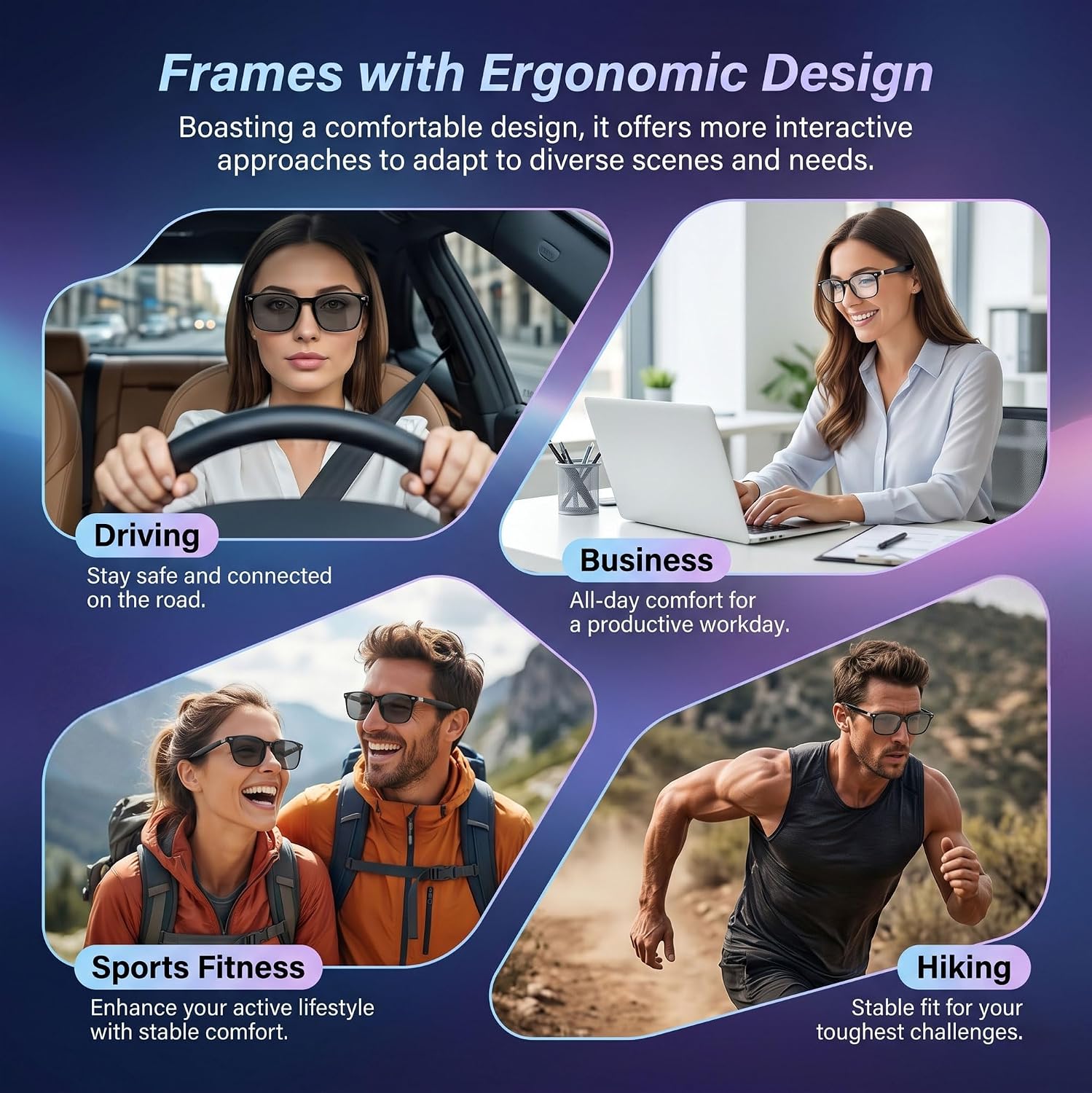
My office runs a rotating cast of remote and in-person attendees, and we have two colleagues who default to Spanish when they’re tired or excited. I wore the glasses through a forty-minute standup with the translation mode running quietly in one ear. The lag was noticeable but not disruptive. What I didn’t expect was how natural it felt to just be wearing glasses during a meeting, no phone on the table face-up, no earbud dangling. As a work from home setup accessory or an office wearable, the low-profile frame design earns its keep. I left that meeting having caught more than I usually do.
Setup 2: Weekend Market, Zero Shared Language
A Saturday morning at an outdoor food market with a vendor who spoke almost exclusively Cantonese. I had the glasses on, app open, and pointed my face in his direction. The translation wasn’t perfect. It caught the names of the dishes and the prices but fumbled some of the description. Still, we completed a transaction without hand signals, and he looked only mildly puzzled by my eyewear. For a travel gadget in an accessible tier, that counts as a win. I’ve used dedicated pocket translators that cost considerably more and performed comparably.

Setup 3: Evening Walk, Music, No Phone
This is where the glasses felt most natural. An hour-long walk with a podcast playing through the frame speakers, phone in my pocket, hands free. The open-ear design means you stay aware of traffic and ambient noise, which I actually prefer to full isolation on city streets. The audio doesn’t fill a room, but it fills your head with enough presence to follow a conversation-format show without straining. By the end of the walk the lenses had shifted back to near-clear as the sun dropped, and I hadn’t touched my phone once.
What Other People Are Saying
[Skip this section entirely — write nothing here. The product has no reviews yet or none could be scraped.]
With a small but positive early rating, the pattern seems to suggest that buyers drawn in by the translation feature are staying for the all-day wearability, which tracks with my own experience. For more structured comparative testing across wearable categories, independent review databases are worth consulting before you commit.
Who Should Skip It
If you need prescription lenses, these aren’t built for that, and retrofitting optical prescriptions into a smart frame at this tier isn’t realistic. If you’re looking for the best travel gadget for professional interpretation, say, a medical setting or a legal context, the AI translation is capable but not certified, and you should treat it accordingly. Audiophiles will find the speaker output thin in the low end. And if you’re someone who forgets proprietary cables on trips the way I forget umbrella stands, the charging situation will frustrate you within the first week.
Younger kids aside, this also skews toward adults who are already comfortable wearing glasses socially. The frame is neutral enough, but the temple-mounted speaker housing adds a few millimeters of bulk that’s visible up close.
What It Replaces on My Desk
I had a small Bluetooth earbud case living permanently in my work bag, used mostly for calls and the occasional podcast. The MNVOEQ glasses have replaced about seventy percent of that use case, specifically the times when I want audio without the social signal of having earbuds in. I’ve also quietly retired a pocket-sized translation device I bought before a trip to Japan two years ago. It was good for its purpose, but carrying a separate piece of hardware for one feature felt excessive once I had a frame doing it from my face. What I haven’t replaced is my regular sunglasses for beach days or bright ski slopes, where I want something more optically robust. These live in the work and phone-and-mobile accessories lane, not the high-performance outdoor gear lane.
If you’re building out a work from home setup that minimizes device clutter, or if your desk already has a dedicated wireless charging station and you’re looking for the next layer of hands-free utility, this frame slots in with less friction than I expected. For a broader look at how these fit into the wearable landscape, Engadget’s wearables coverage gives useful context on where the category is headed.
FAQ
Do the MNVOEQ AI Smart Glasses work with both iPhone and Android?
Yes. Bluetooth pairing is universal, and the companion app is available on both platforms. Setup takes under a minute on either system.
How long does the battery realistically last with the translation feature running?
In my testing, heavy translation use alongside Bluetooth audio brought the battery down to around three to three and a half hours. Light music use without translation pushed closer to the rated five hours.
Can I wear these as everyday glasses, or are they too obviously a tech product?
The matte black aluminum frame is genuinely unobtrusive. Most people who saw me wearing them assumed they were standard fashion frames. The speaker housing on the temples is visible if someone is looking closely, but it doesn’t read as conspicuous in normal social settings.
Does the build quality match what you’d expect from a smart glasses brand at this level?
The aluminum and polycarbonate construction feels more substantial than the price tier typically delivers. The hinges are firm, the lenses sit flush, and nothing rattles. For what you’re paying, the build quality reads above what you’d expect, though the proprietary charging port is a notable weak point for long-term durability planning.
What’s the return or warranty situation if something goes wrong?
MNVOEQ ships through major retail platforms with standard return windows. Check the listing for current seller-specific terms, as warranty coverage can vary depending on the fulfillment source.

The Verdict
Three weeks in, the MNVOEQ AI Smart Glasses are still in my bag. Not because they’re perfect, they’re not, but because they’ve quietly become useful in a way I didn’t anticipate when I ordered them as a skeptic. The photochromic lenses do their job. The Bluetooth audio is more than acceptable for a frame-speaker system. The AI translation is a genuine conversation starter, literally. And the whole thing sits on your face like a regular pair of glasses, which is a harder design problem than it sounds. If you want to dig deeper into how similar products stack up across the smart travel gadget category, PCMag’s wearable tech roundups offer solid comparative context. For a curated shortlist of related accessories, our editor-recommended tech picks page is a good starting point, and the phone stand and accessory archive has gear that pairs naturally with a hands-free wearable like this. If you’re shopping for a gift, it’s worth a look at our tech gift ideas guide too. For an accessible travel gadget that does three things reasonably well instead of one thing perfectly, the MNVOEQ glasses are a more interesting choice than they have any right to be.
Every Angle
The product as photographed for Amazon — hero, angles, ports, detail.

As an Amazon Associate I earn from qualifying purchases.