AI Sports Camera Glasses: Honest Review After 2 Weeks

I was halfway up a switchback trail in the Cascades, hands full of trekking poles and sweat in my eyes, when the BleeqUp Ranger AI Sports Camera Glasses quietly captured the exact frame I would have missed fumbling for my phone.
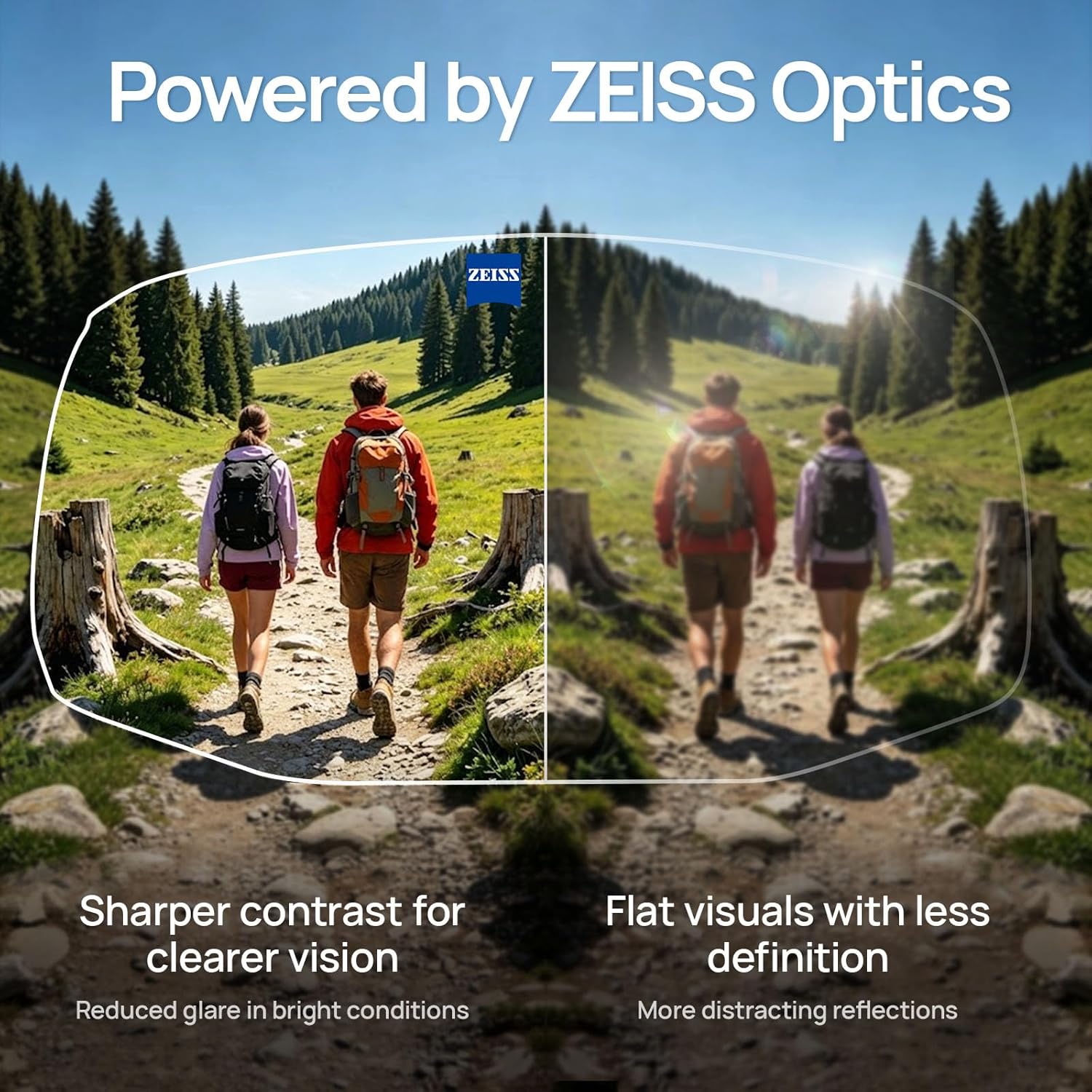
The morning light was doing something genuinely ridiculous over the ridge — the kind of amber-pink that stops you mid-step and makes you feel briefly religious about being outdoors. My phone was buried in my hip pack, locked under two layers of rain jacket, and my poles were planted deep in loose gravel. I didn’t reach for anything. I just looked up, and **the Zeiss lens did the rest.** A 4K still, sharp at the edges, captured without breaking stride. That moment, more than any spec sheet, is why I’ve been wearing the BleeqUp Ranger AI Sports Camera Glasses for the better part of six weeks. Not every gadget earns real estate on your face.

The First Time I Used It
I came across the Ranger in a rabbit hole of wearable camera reviews, somewhere between my third espresso and a half-assembled travel loadout for a weekend trip. I’d been hunting for a way to document outdoor activity without the constant choreography of stopping, unlocking, framing, and pocketing. Action cameras mounted to helmets felt theatrical. My phone felt like a liability on loose terrain. Then I landed on these glasses, spotted the Zeiss branding, and stopped scrolling. That name carries weight. It’s not marketing filler.
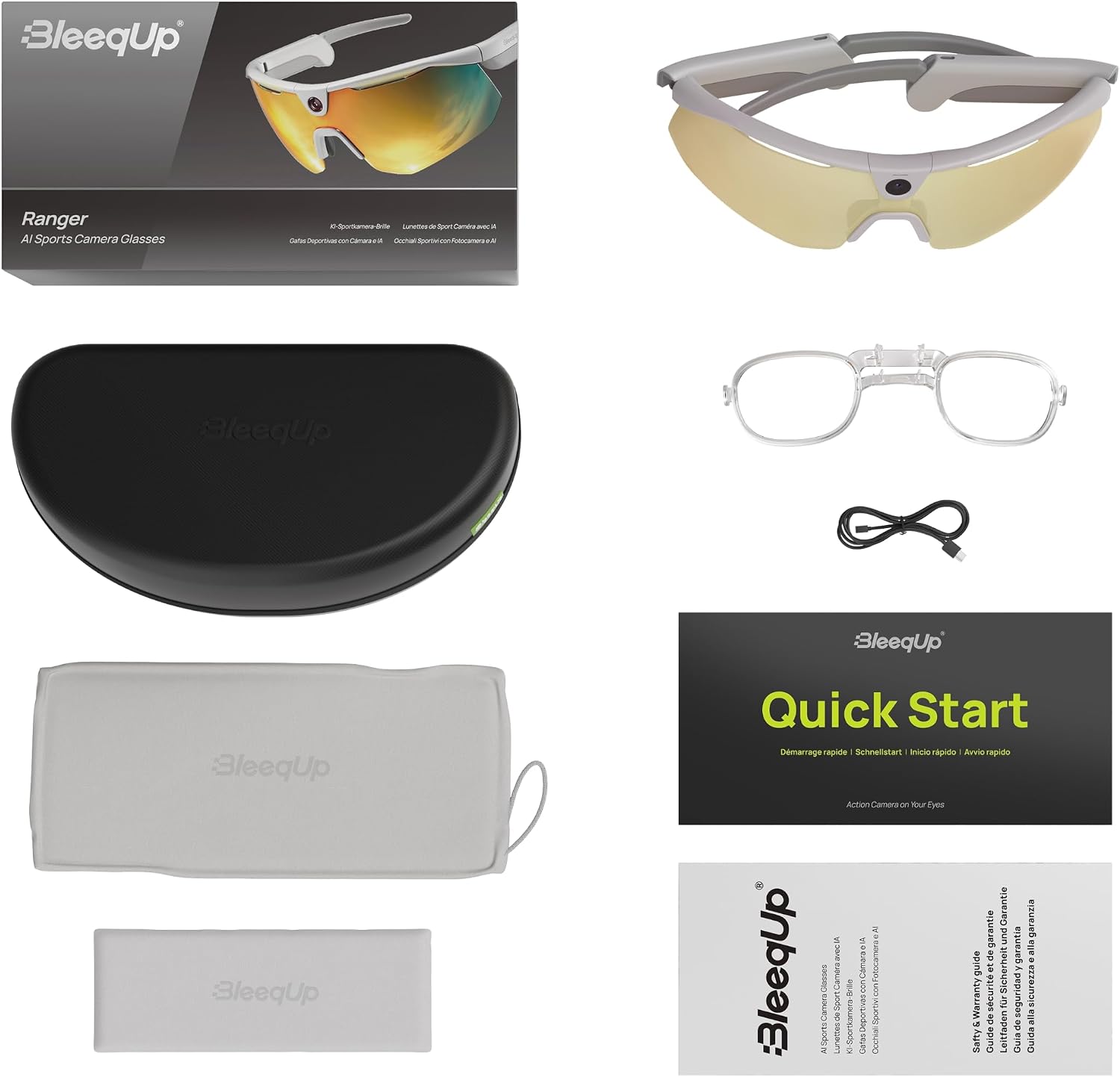
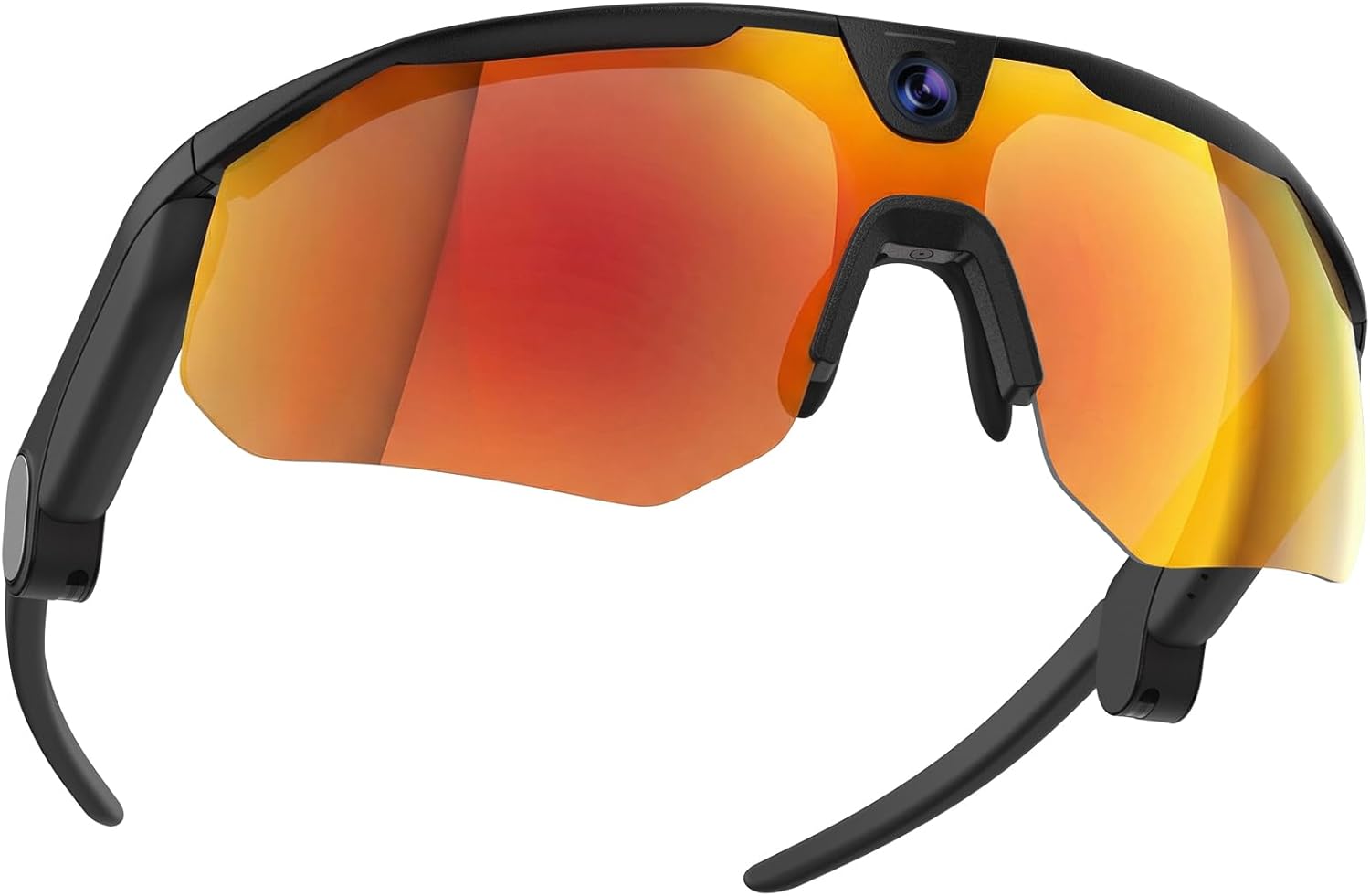
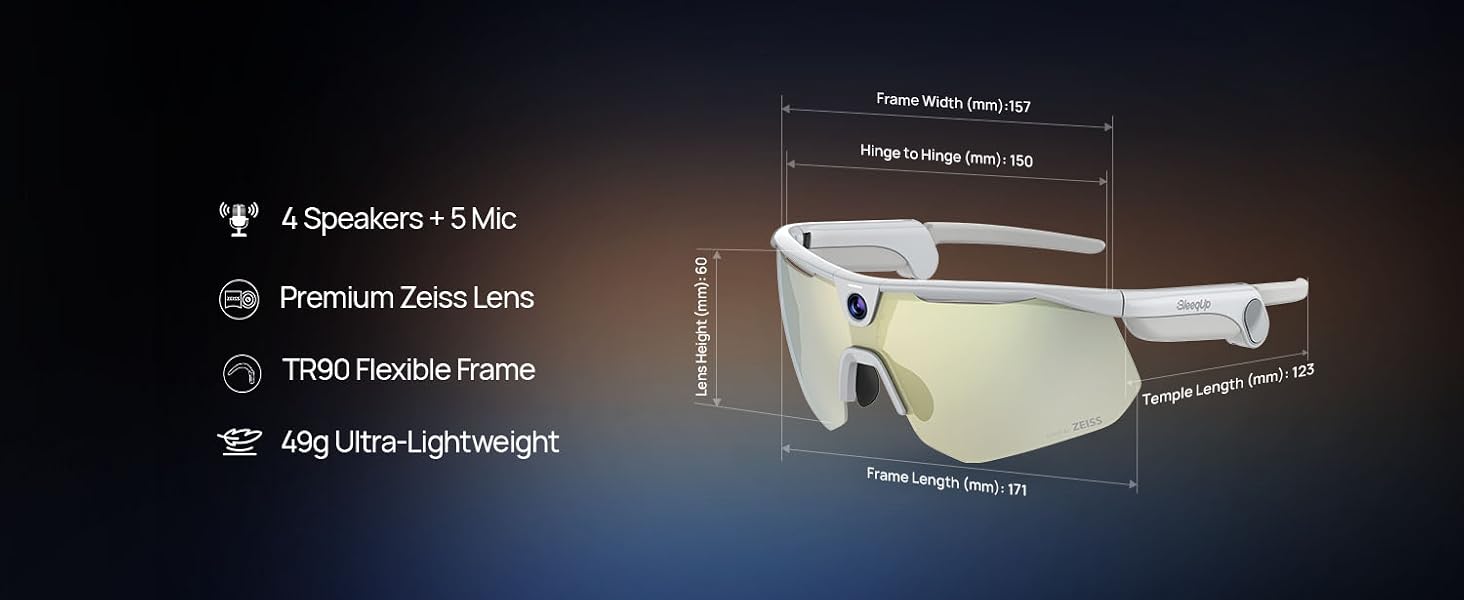
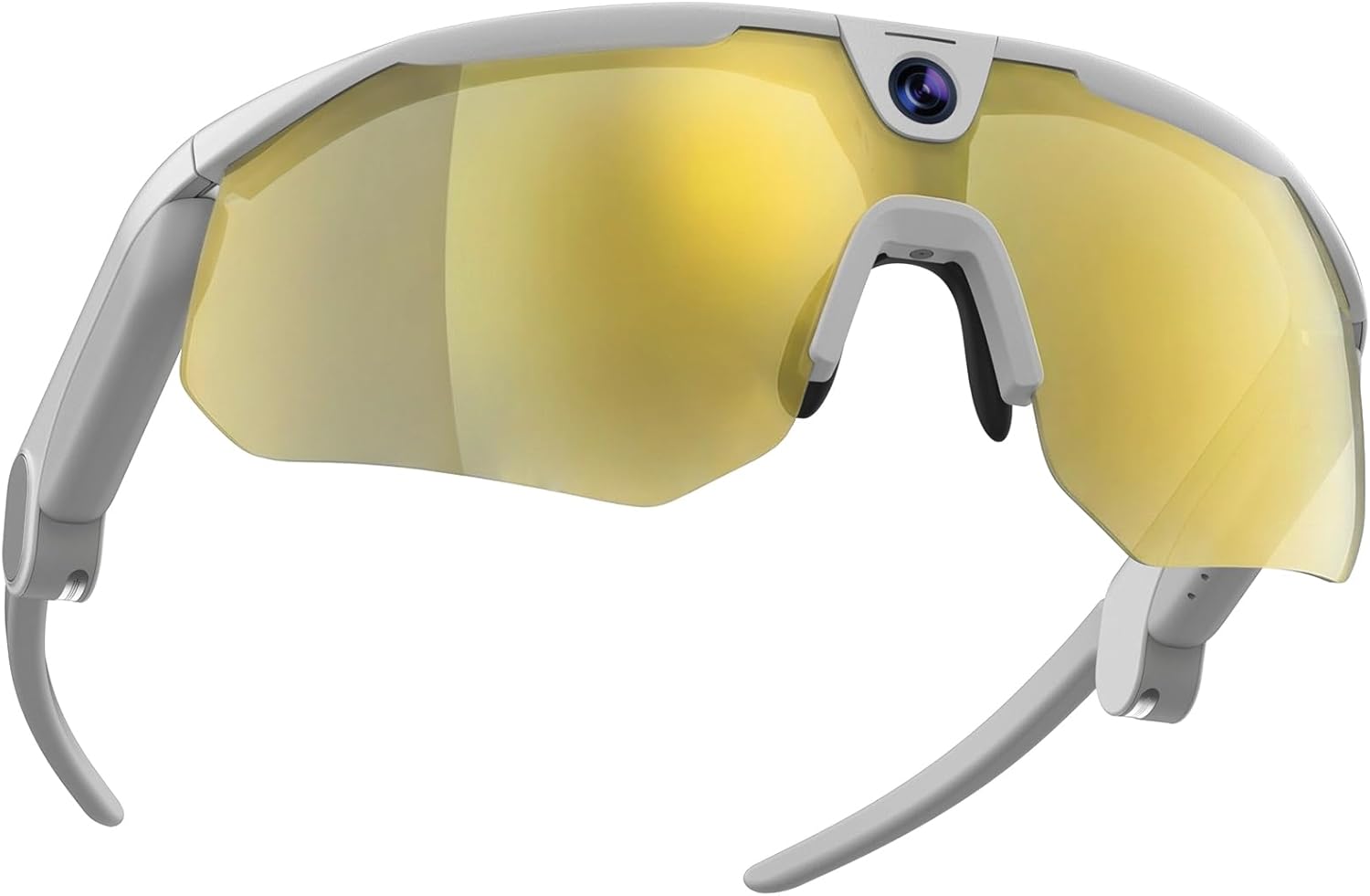
The white polycarbonate-and-aluminum frame arrived in packaging that felt considered, not extravagant. Sliding them on for the first time, I expected the top-heavy, gadget-nerd-at-a-ski-resort feeling. What I got was closer to a pair of polarized sports sunglasses that happened to record video. That surprise bought them a second and third outing before I formed any firm conclusions. The design, it turned out, was the first honest signal about everything underneath it.
How It Actually Performs
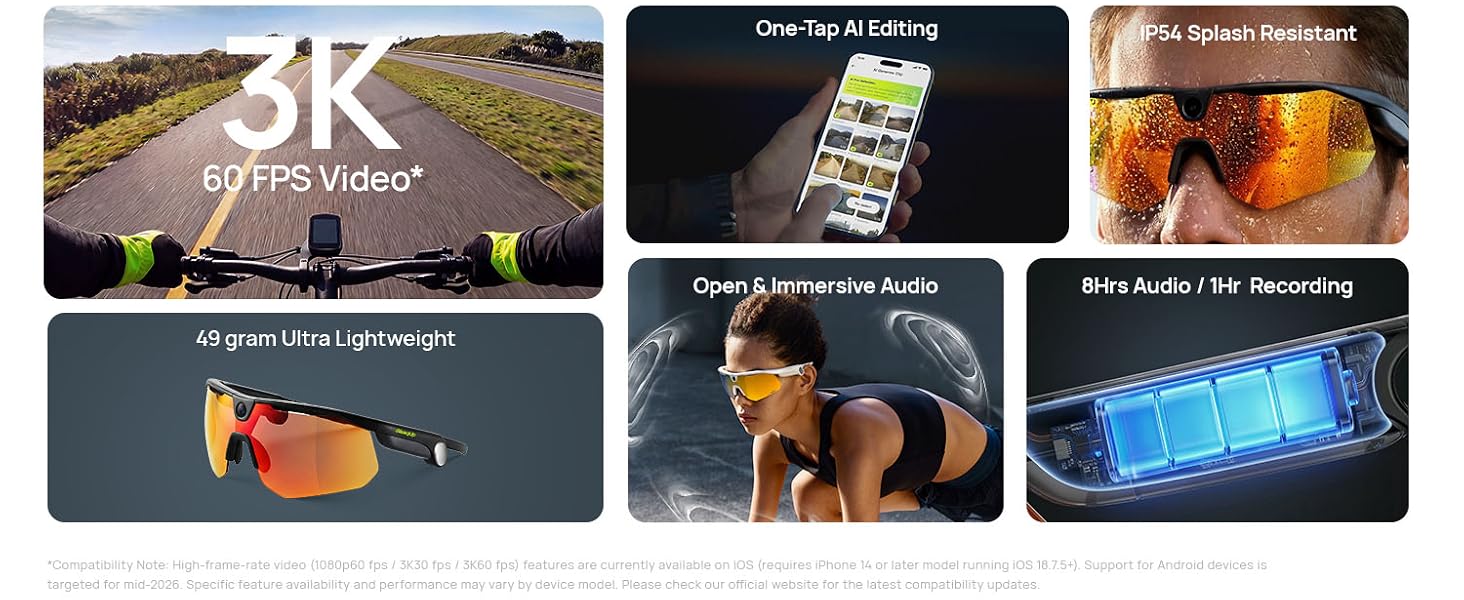
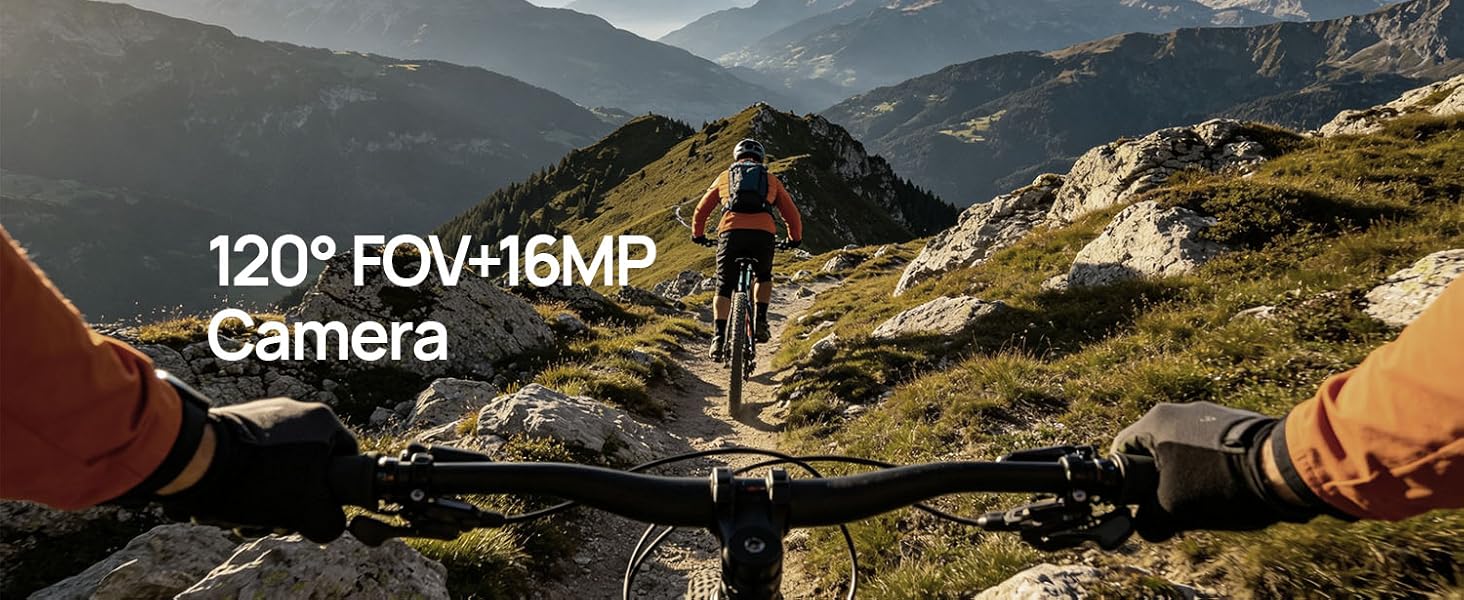
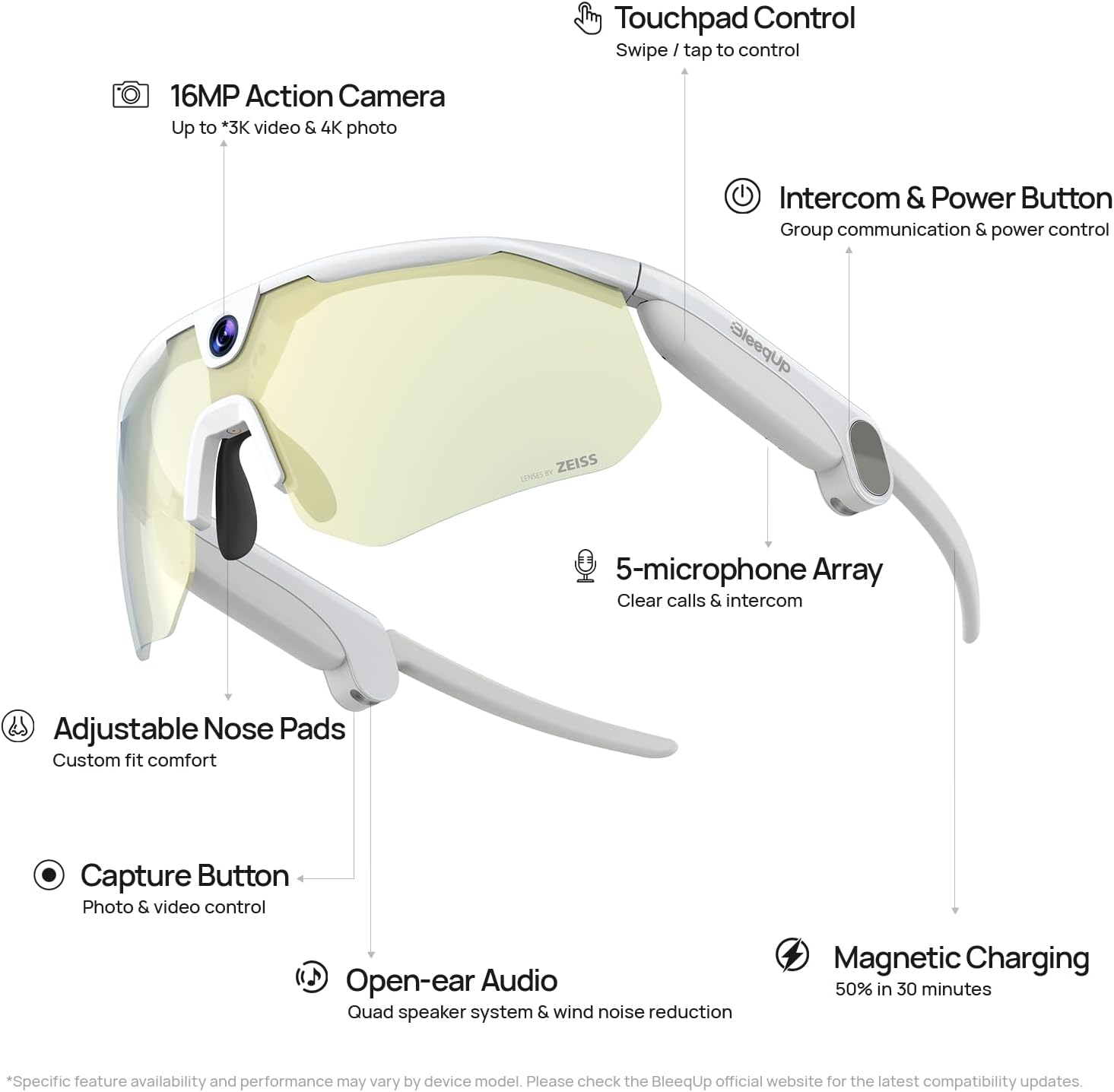
Six hours of rated battery life sounds like a marketing promise, but in my testing across trail runs, a half-day kayak, and one genuinely cold morning hike, it held. I got close to five and a half hours of mixed use, recording a mix of 3K video clips and 4K stills with the open-ear audio running. The USB-C charging port topped the glasses back up in under ninety minutes, which matters when you’re turning a trip around between days. The 120-degree field of view is wide enough to feel immersive without the fish-bowl distortion that makes some action footage unwatchable on a normal screen.
“The Zeiss lens isn’t a co-branding sticker. It’s the reason the footage doesn’t look like it came from a toy.”
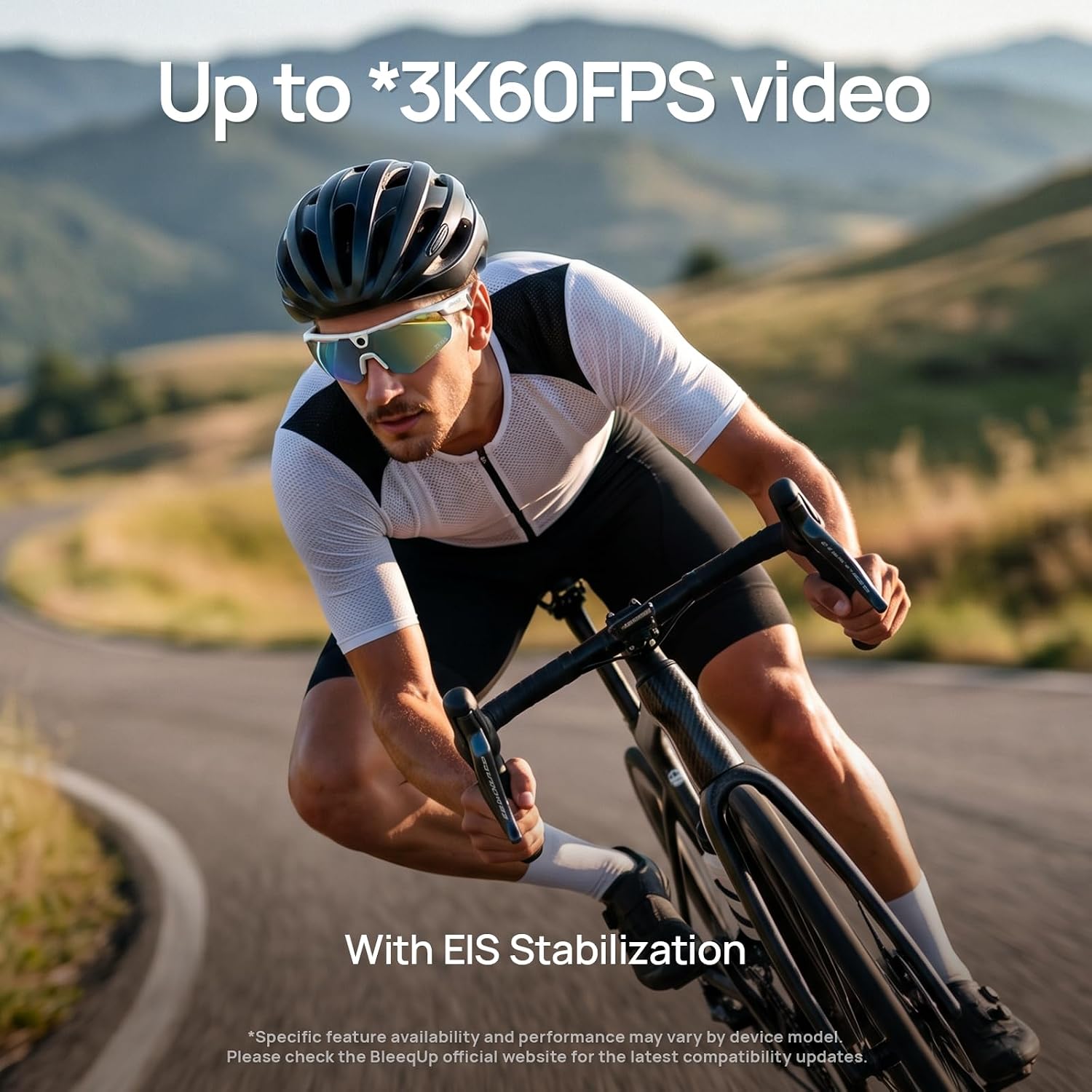
EIS stabilization, the electronic image stabilization built into the Ranger, smoothed out everything short of genuinely rough scrambling. On rooted singletrack, the footage was clean. On a section of loose talus where I was essentially controlled-falling between rocks, it started to show its limits, which is honest and expected at this level. Reviewers tracking wearable camera technology have noted that optical stabilization still wins at the extreme end, and the Ranger doesn’t pretend otherwise. What it does at a more realistic outdoor pace, though, is impressively steady.
How I Actually Used It
Setup 1: Saturday Morning Trail, Pre-Coffee Chaos
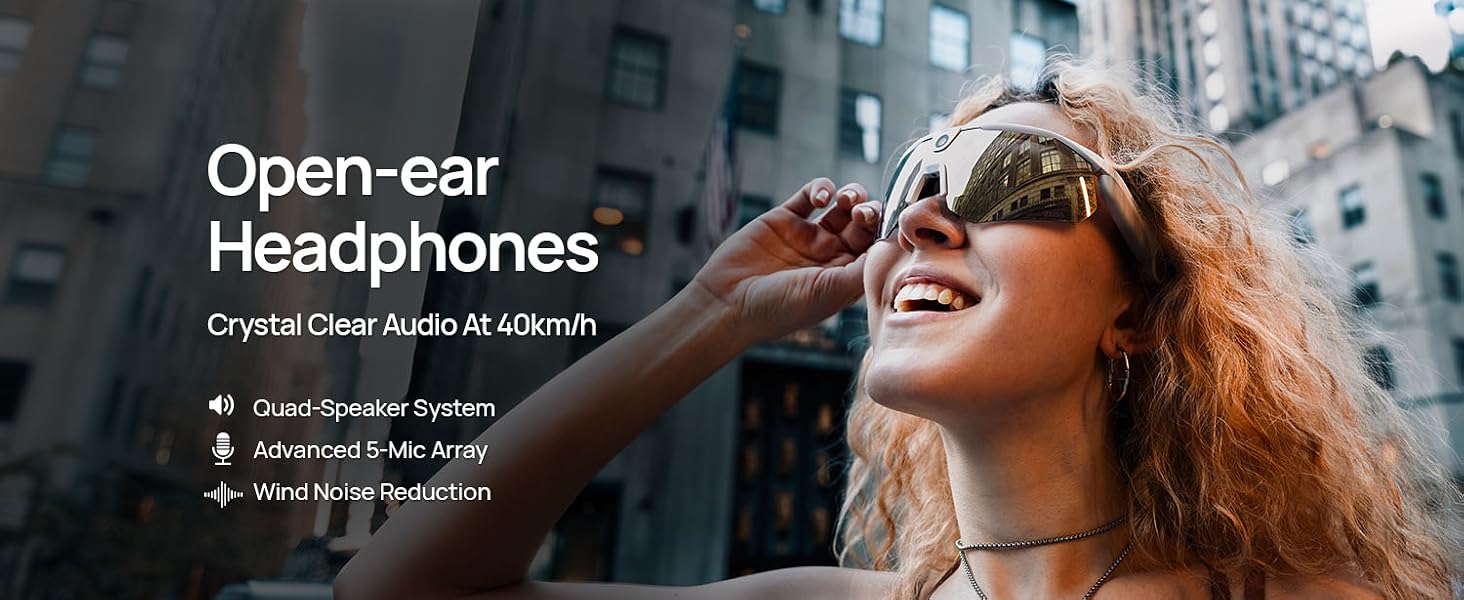
My usual weekend routine involves a 5:45 alarm, a thermos I always forget to finish, and a trailhead forty minutes from my apartment. I started wearing the Ranger as my default eyewear from the car door onward. **The open-ear audio handled turn-by-turn directions from my phone without earbuds**, which meant I could hear the trail while staying connected. When the light broke through a canopy in a way that felt worth capturing, I tapped the frame. No stopping. No unlocking. The footage from those mornings has a spontaneity that staged phone photos never quite land. It felt like documentation rather than content production.
Setup 2: Kayak Day, Hands Perpetually Wet
This is where the Ranger moved from interesting to genuinely useful. Phones and water are a management problem on a kayak, even with a dry bag. The Ranger’s rugged build handled light spray without complaint, and I wasn’t babysitting a device between paddle strokes. The walkie-talkie function, which I’ll admit I raised an eyebrow at on the spec sheet, actually proved practical for staying in contact with a paddling partner twenty yards ahead without yelling over wind. **The walkie-talkie range held across a half-mile of open water**, which was further than I expected. It’s not replacing a VHF radio on a serious offshore trip, but for recreational paddling with a friend, it’s a genuinely clever inclusion.
Setup 3: Urban Commute, Trying to Blend In
I wore the Ranger on a Tuesday commute through Seattle because I was curious how they’d read in a non-outdoor context. The white frame is sporty and visible, not subtle. A few people clocked the lens housing immediately. **If low-key is what you’re after in an urban setting, the Ranger is not your glasses.** On the commute itself, the open-ear audio worked well for podcast listening without the isolation of in-ear headphones, which I’ve come to appreciate in city traffic. The camera function felt less essential in that context, but the audio alone would keep these in rotation for any phone and mobile lifestyle use case that benefits from hands-free awareness.
What Other People Are Saying
The Ranger is new enough that the review pool is still shallow, forty-five ratings as of this writing, which means the 4.0 average is directionally useful but not yet statistically robust. Take it as an early signal rather than settled consensus.
The pattern I noticed across early feedback was consistent: people who bought it for hiking and cycling reported satisfaction, people who expected it to replace a dedicated action camera were occasionally frustrated by the processing lag on video files. That’s a calibration issue, not a product failure. Knowing what this is, a wearable capture device built for spontaneous outdoor use rather than a cinematic rig, keeps expectations honest. For a thorough look at how wearable cameras are benchmarked broadly, RTINGS’s testing methodology offers useful context on what objective scoring actually measures.
Who Should Skip It
If you’re a dedicated content creator who wants to log and edit hours of B-roll from a trail run, the Ranger will frustrate you. The storage and file management workflow is oriented toward quick clips and single-frame captures, not a sustained shoot. Similarly, **anyone expecting professional-grade audio recording through the open-ear speakers** will be disappointed. The audio is built for communication and ambient awareness, not voice-over quality narration. Prescription glasses wearers will also hit an immediate wall, as there’s no accommodation for inserts. And if your outdoor activities regularly involve full submersion or sustained downpour conditions, the rugged build handles splash and light rain, but this is not a dive-rated piece of equipment.
What It Replaces on My Desk
For the past two years, I’ve had a small action camera clipped to a chest mount for anything outdoors, the kind of setup that takes four minutes to rig properly and leaves marks on your jacket zipper. The Ranger replaced it for any outing under a full day. The chest rig is still there for dedicated shooting trips, but it hasn’t left the drawer since I started carrying the Ranger. **I also retired a set of bone-conduction headphones** that I used for trail runs, because the open-ear audio here serves the same function without an extra device to charge. Consolidation matters when pack weight is a real variable. If you’re building out a broader editor-recommended outdoor tech loadout, the Ranger slots into that picture more cleanly than you’d expect from a camera-first product.
FAQ
What devices does the BleeqUp Ranger connect to?
The Ranger is listed as universally compatible and pairs with both iOS and Android devices via Bluetooth for audio functions and app control. The walkie-talkie feature works unit-to-unit without a phone in the loop.
How long does the battery actually last in real use?
Rated at six hours, I consistently hit five to five and a half hours of mixed recording and audio use in moderate temperatures. Cold weather will reduce that, as it does with any lithium-powered wearable.
Can I use these for daily wear, not just sports?
Yes, with caveats. The open-ear audio and connected features work fine in casual settings, but the white sporty frame reads as athletic gear, not everyday eyewear. Comfort over long wears is genuinely good, though.
Does the build quality match BleeqUp’s claims for an outdoor-rated product?
The aluminum-and-polycarbonate construction feels solid in hand and has held up across six weeks of trail and water use without creaking, cracking, or any finish degradation. The Zeiss lens housing in particular feels built with precision tolerances that read above what the frame price typically signals in this tier of wearable.
What’s the warranty and return situation?
Check directly with the retailer and BleeqUp’s current support documentation, as warranty terms vary by region and purchase channel. Most buyers report responsive customer support based on early feedback threads.
The Verdict
Three weeks from now, I have a three-day backpacking trip in Olympic National Park on the calendar. I’ve already decided the Ranger is coming. Not because it’s the most technically capable camera I own, but because **it’s the one I’ll actually have on when the light does something worth keeping.** That’s the real test for any wearable: does it disappear into your activity, or does it become another thing to manage. The BleeqUp Ranger AI Sports Camera Glasses mostly disappear. The Zeiss optics deliver footage that genuinely surprised me for a device in this form factor. The walkie-talkie and open-ear audio are not gimmicks, they’re practical features that reduce how much other gear you carry. For anyone looking for the best wearable camera for outdoor adventure without a dedicated action camera setup, this is a serious contender. And for a well-researched BleeqUp Ranger AI Sports Camera Glasses review perspective, there’s also value in comparing notes with Engadget’s broader wearable reviews and checking what’s trending across mobile camera and lens accessories for context on where wearable optics are heading. If you’re building a tech gift list for outdoor enthusiasts, this earns a genuine recommendation. The verdict: if your outdoor life keeps moving faster than your hands can follow, these glasses are worth your face.
Every Angle
The product as photographed for Amazon — hero, angles, ports, detail.
As an Amazon Associate I earn from qualifying purchases.