AI Smart Glasses for Travel & Work: Honest Review

I wore a pair of smart glasses through an entire cross-country flight, three back-to-back Zoom calls, and one very long farmer’s market on a blinding Saturday morning, and by the end I had almost forgotten they were doing anything at all.
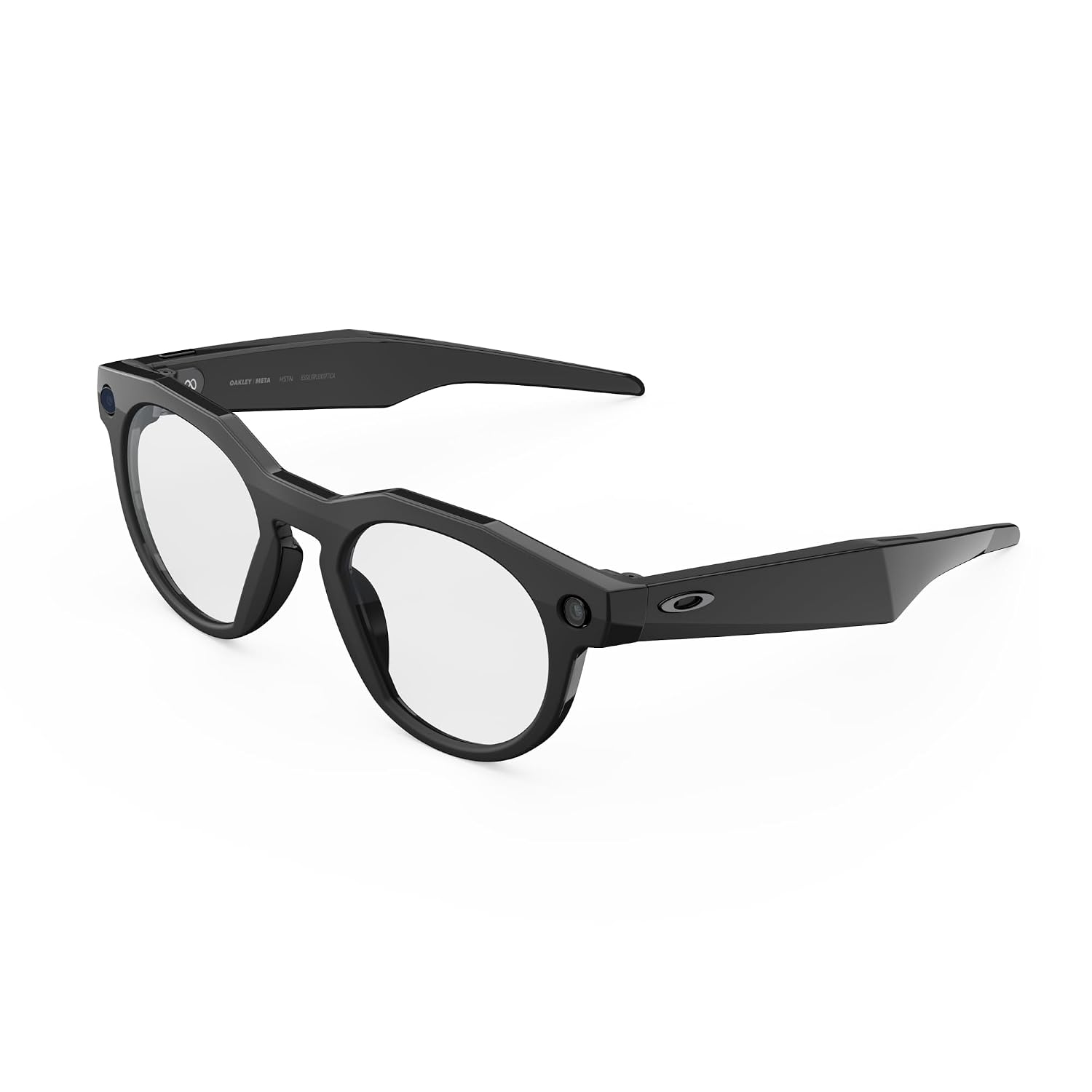
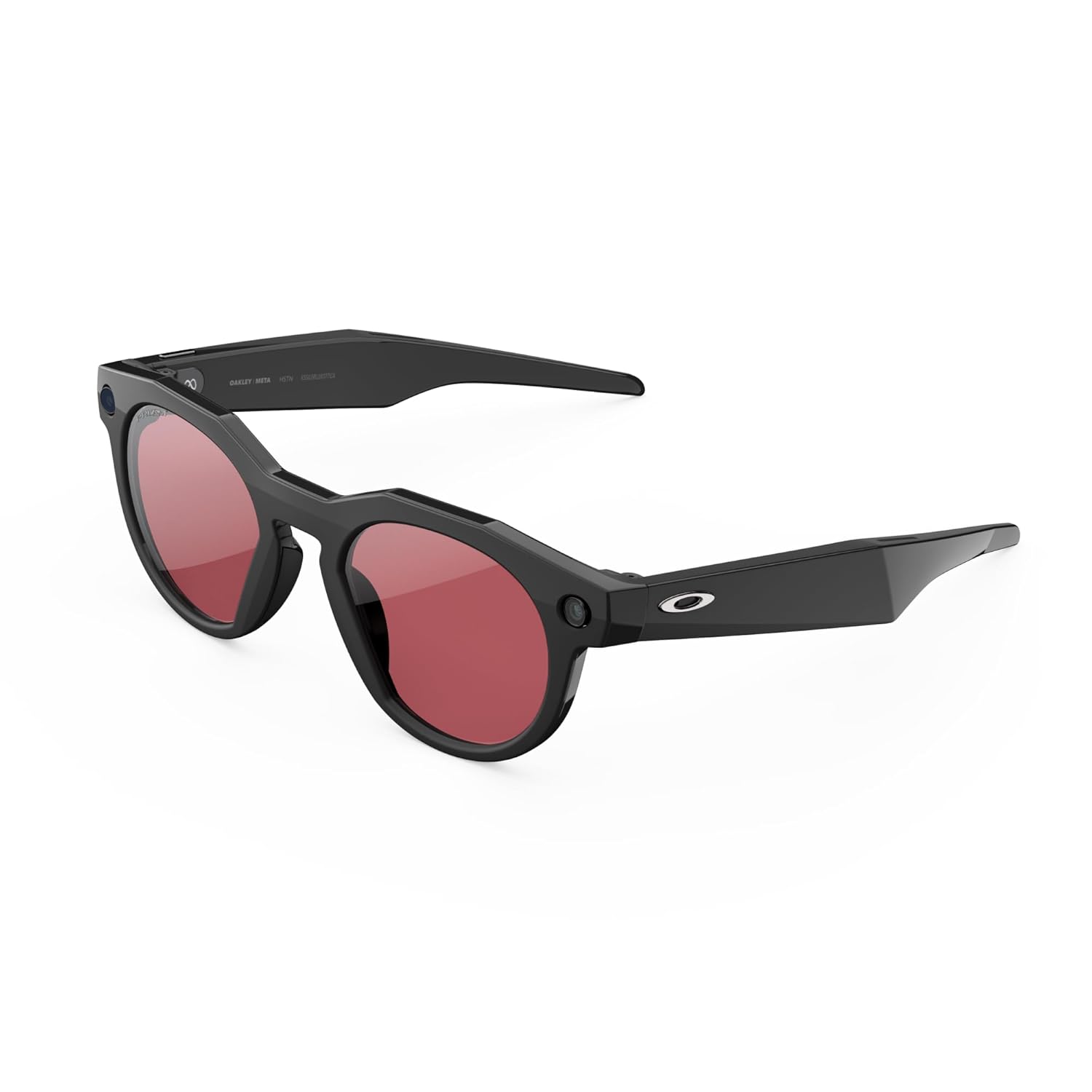
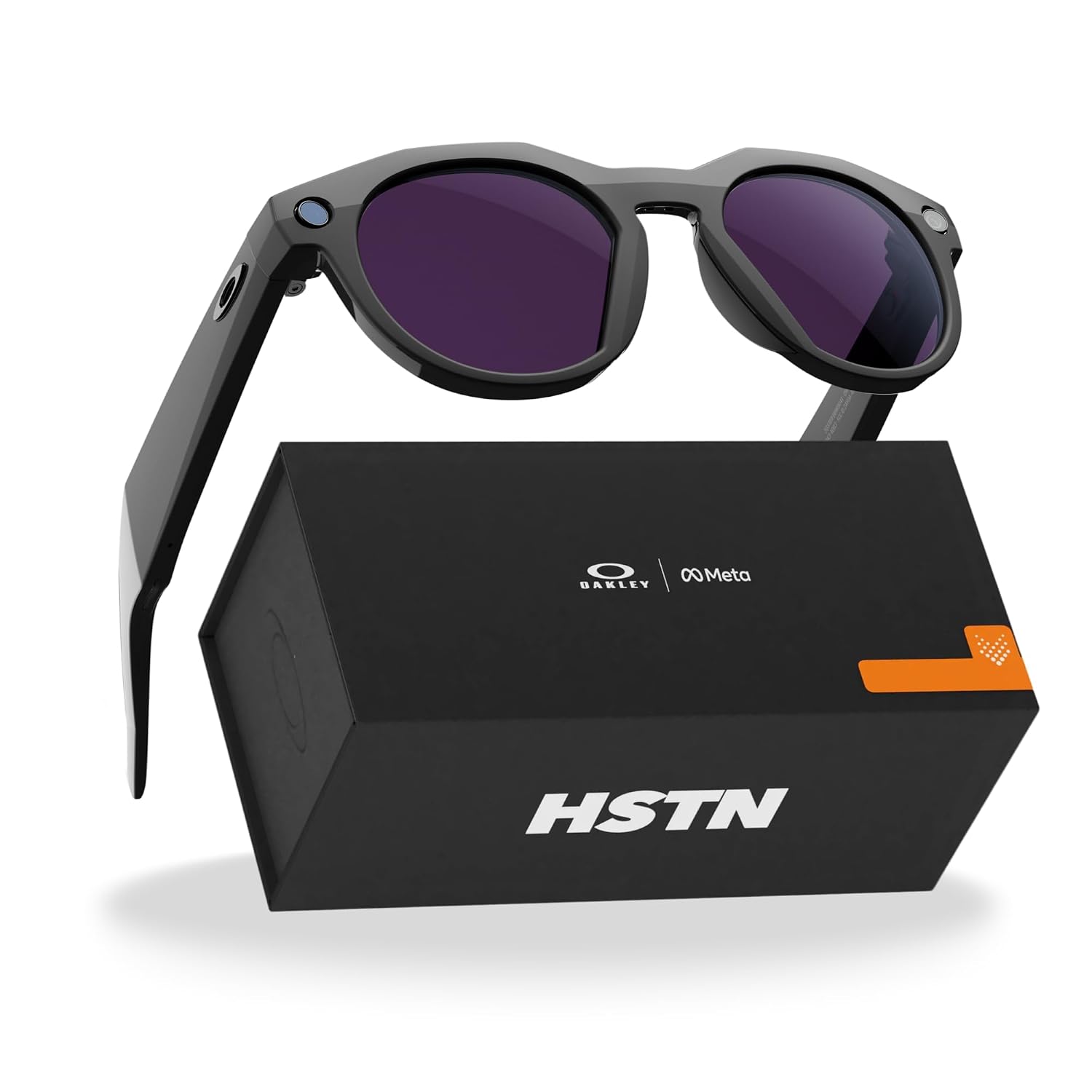
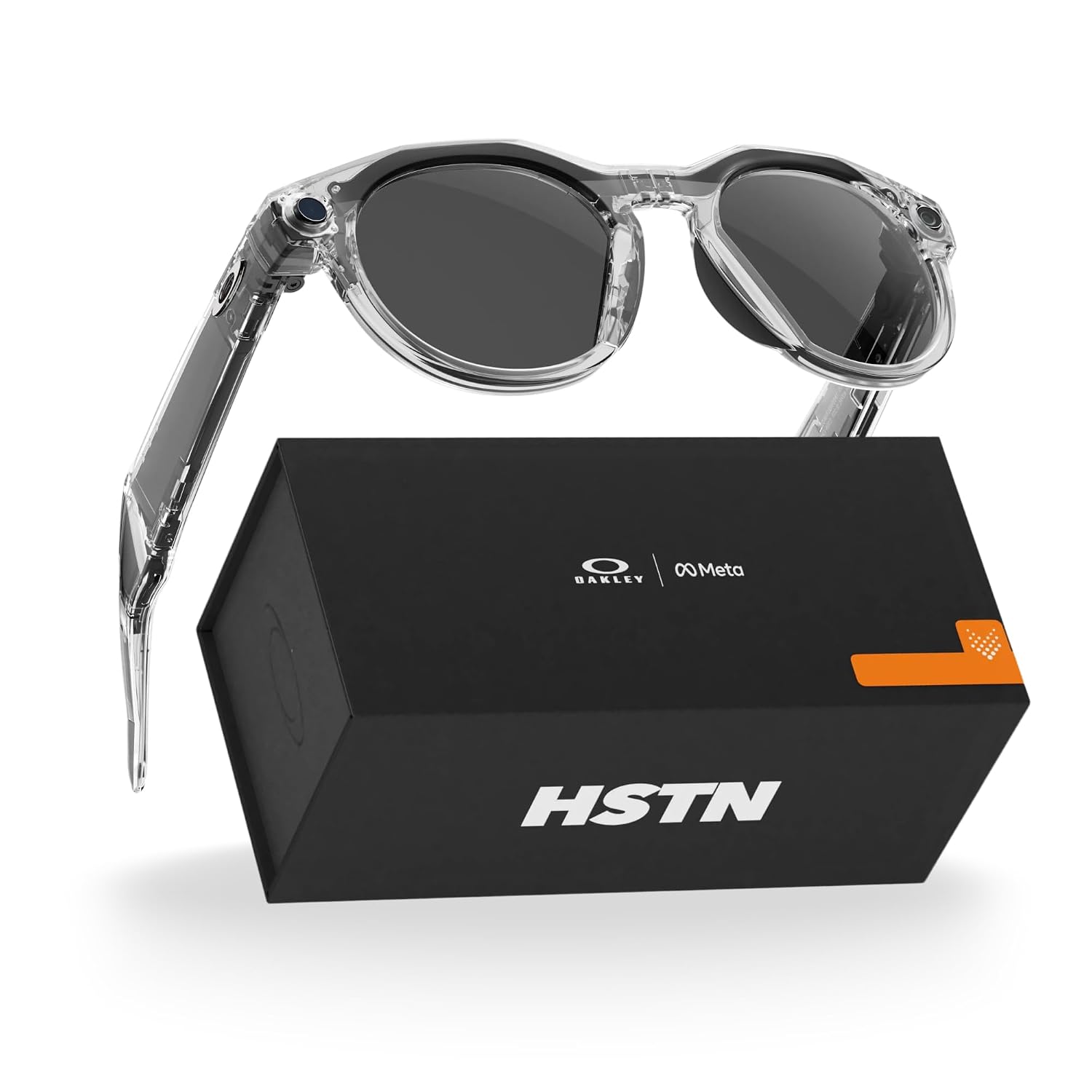
The lenses had just started to darken. I was standing outside a coffee shop in direct afternoon sun, mid-sentence on a phone call, and the Meta Oakley HSTN glasses were quietly doing three things at once: feeding audio through their open-ear speakers, logging whatever I’d just asked their AI assistant, and shifting the Transitions Grey lenses from nearly clear to a comfortable smoke tint without a single tap from me. I hadn’t touched my phone in eleven minutes. The frame, a clean acetate build in the clear colorway, sat light on my face in a way that felt almost unremarkable, which, for a computer you wear on your face, is a significant achievement. This is what “wearable tech that disappears” is actually supposed to feel like. I went back inside, the lenses cleared, and I ordered another cortado like nothing had happened.

The First Time I Used It
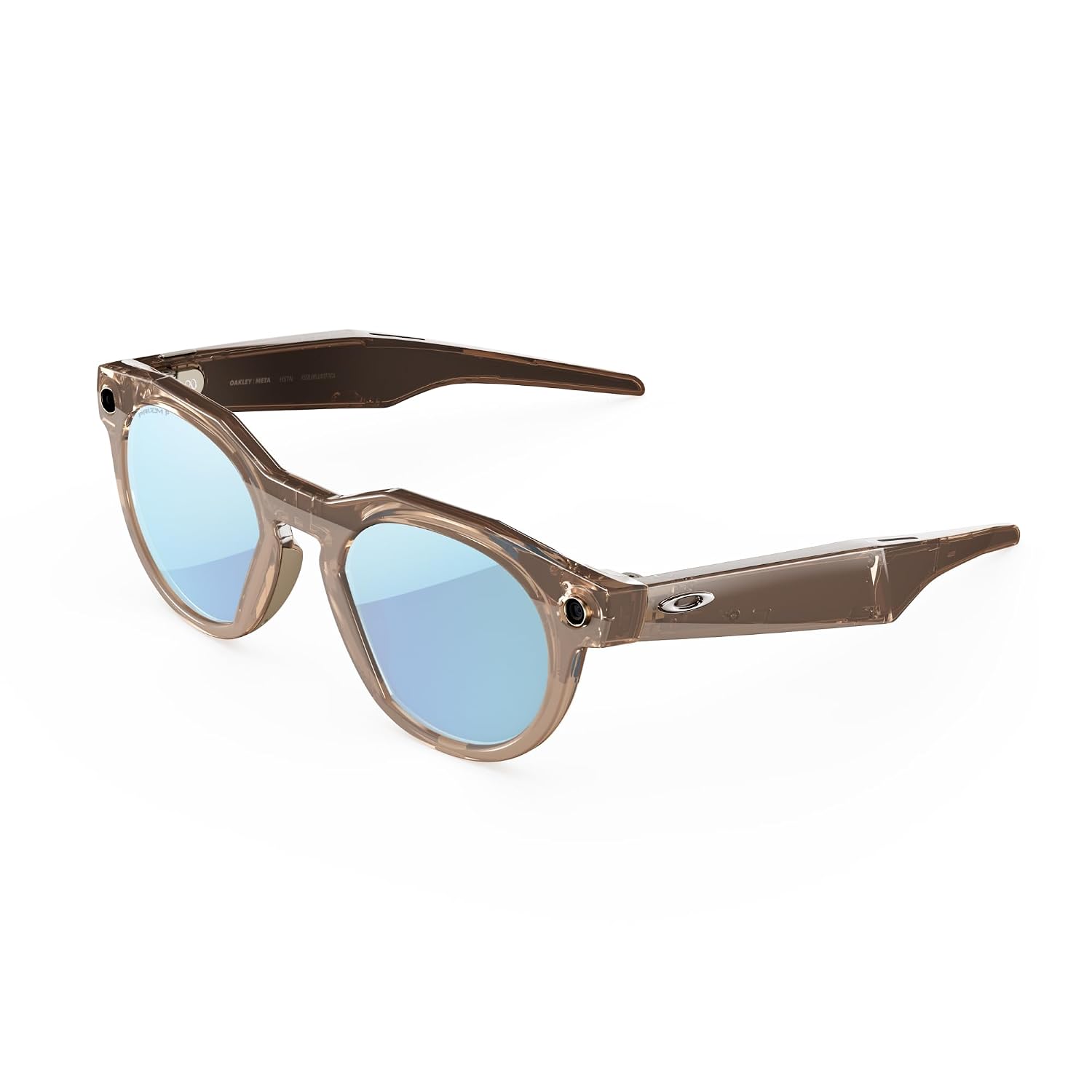
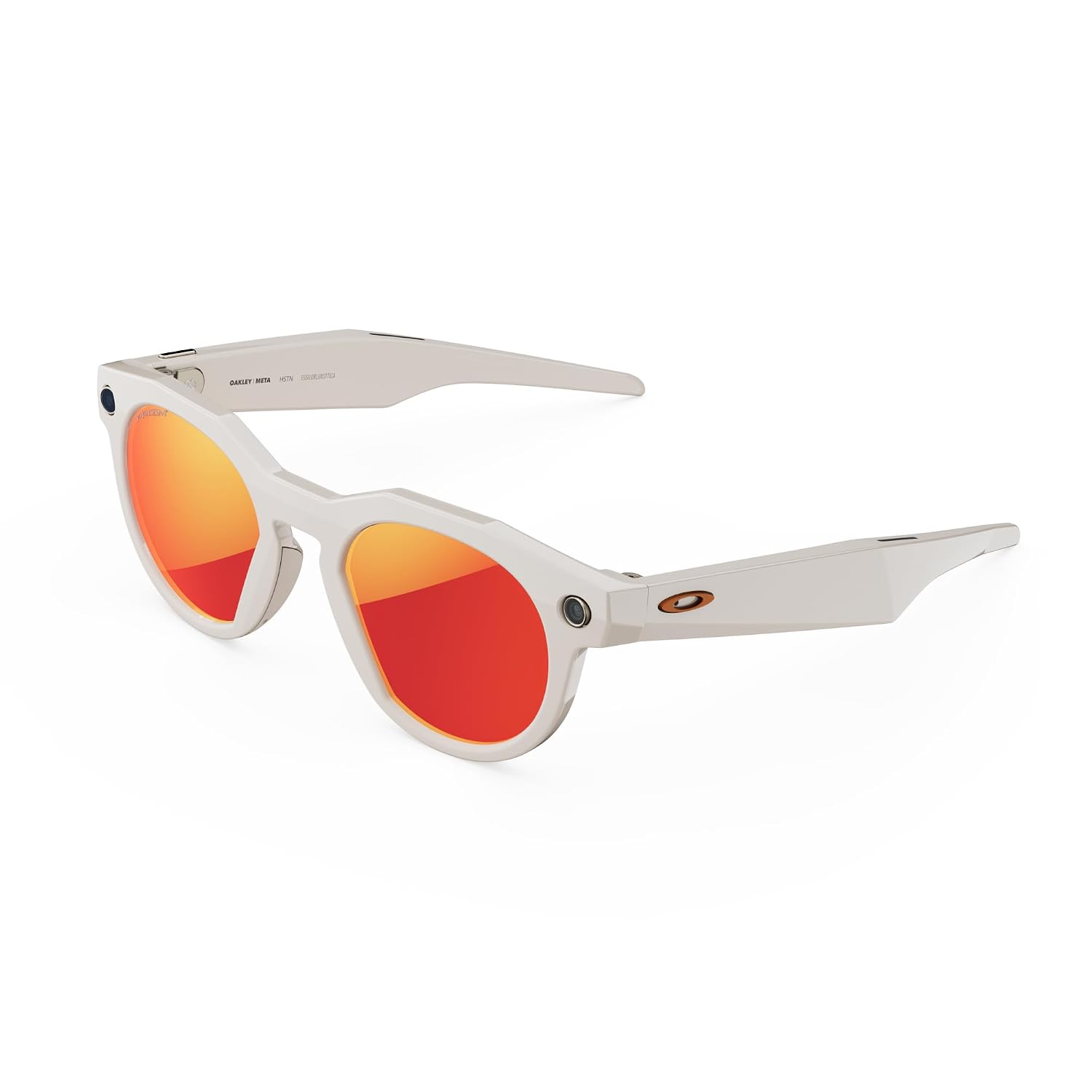
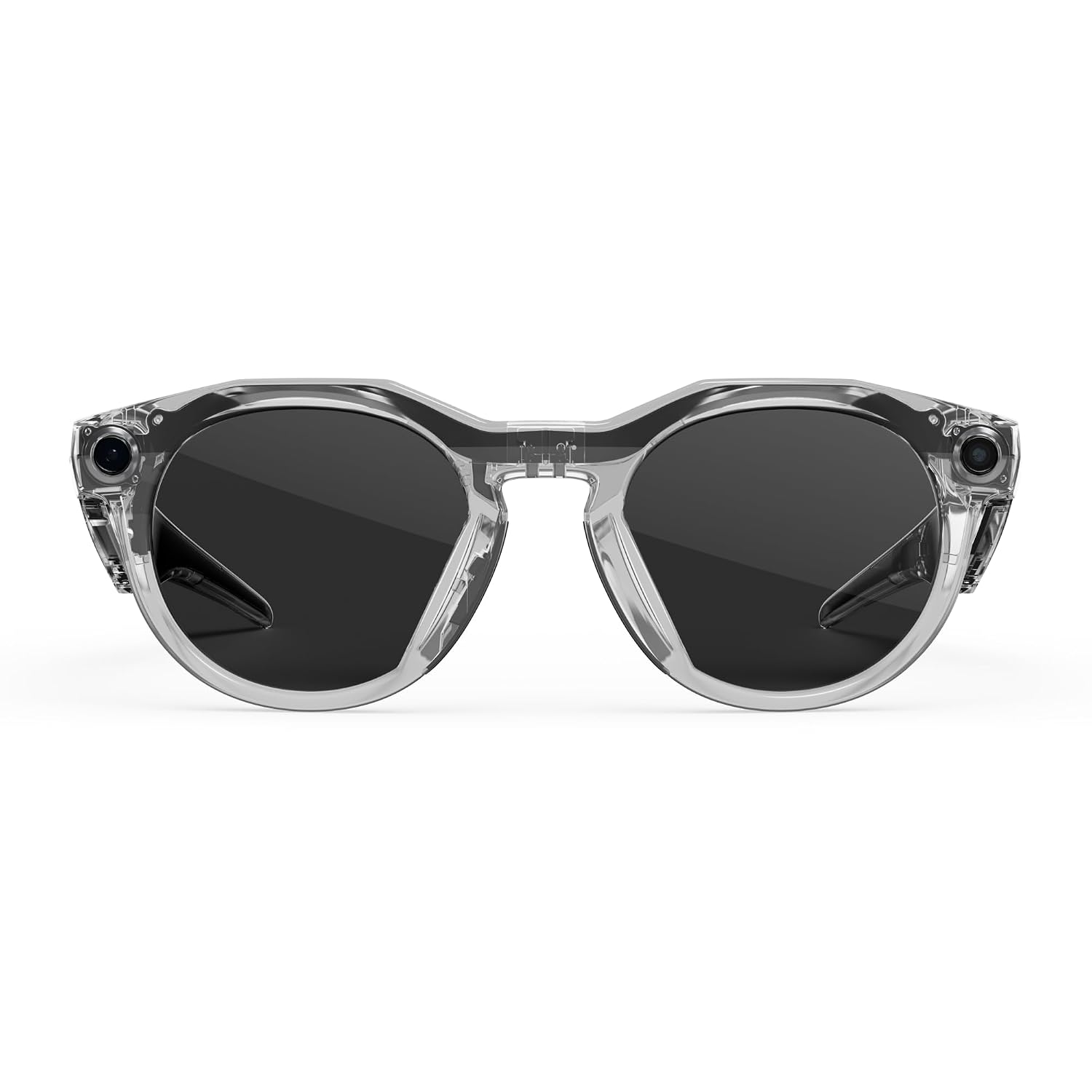
I came across the Meta Oakley HSTN while putting together a roundup for our smart home upgrade guide, specifically looking for wearables that could pull double duty across travel and remote work without looking like a prop from a sci-fi film. The Oakley collaboration caught my eye for one specific reason: the frame looks like an actual pair of sunglasses that a human would willingly wear. The clear acetate HSTN frame is a known Oakley silhouette, sporty but not aggressively athletic, and in person it reads as something you’d see on a design director, not a convention-floor demo unit.
I stopped scrolling when I saw the Transitions lens spec. Adaptive lenses in smart glasses felt like either a genuinely smart solution or a marketing hedge. I needed to find out which one it was.
How It Actually Performs
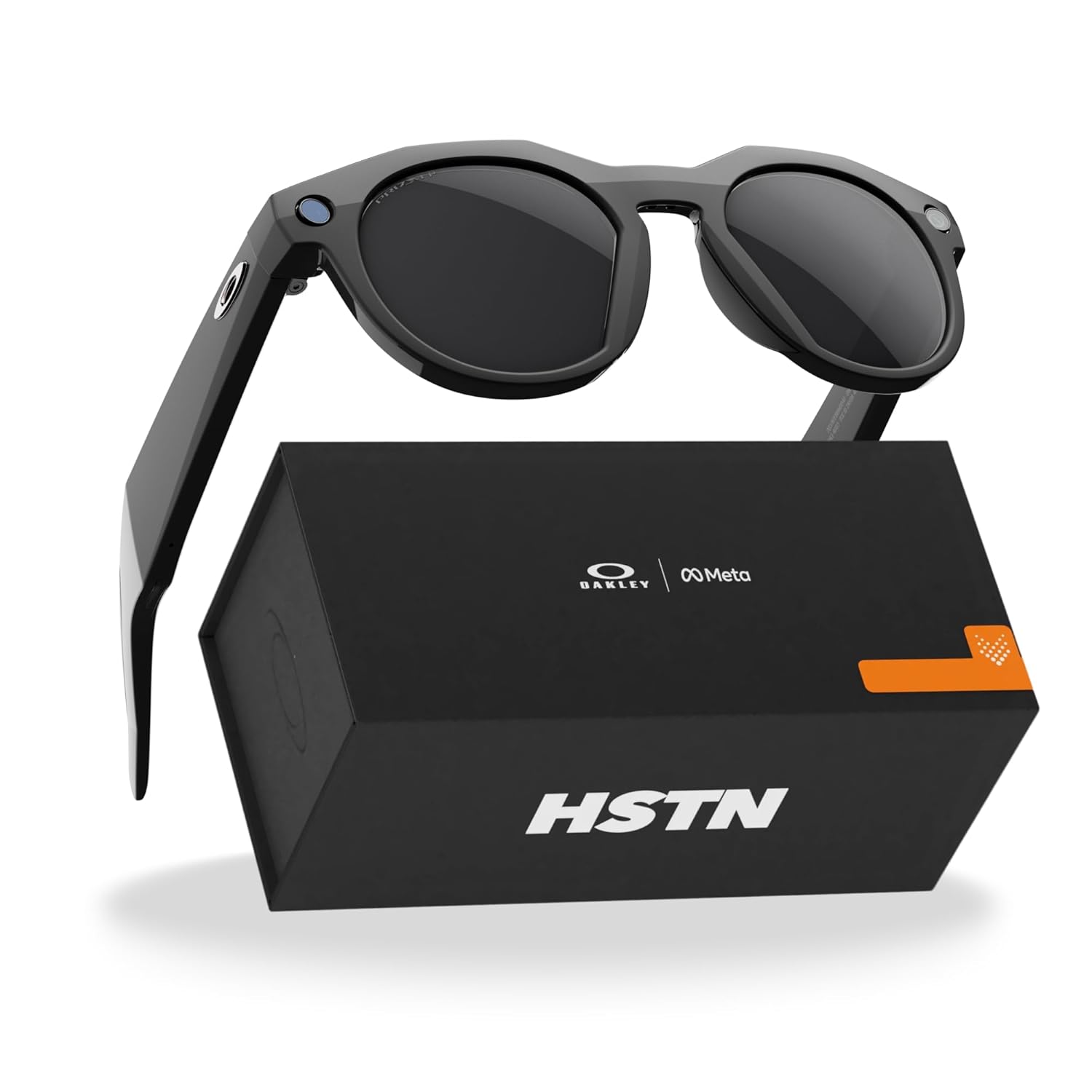
Over roughly four weeks of daily rotation, the Meta Oakley HSTN delivered on most of its headline promises in the ways that matter most. The eight-hour battery life held up across mixed usage, meaning real-world cycles of AI queries, passive audio streaming, and occasional short video clips. I never once hit empty before noon. The open-ear audio was clear enough for podcasts and calls in quieter environments, with the expected limitations outdoors near traffic, where sound bleeds in and fidelity drops. The camera, housed discreetly in the right temple arm, captured usable video in good light and serviceable stills, nothing that replaces a phone camera, but functional for the hands-free moments when pulling out your phone feels like the exact wrong move.
“The lenses adapt faster than you expect, and the frames look better than any smart glasses have a right to.”
The AI integration is genuinely useful in short bursts rather than as a constant companion. Asking it a quick question mid-walk or getting a weather update through the audio felt natural. Where it stumbled slightly was in noisier environments, where wake-word detection required more deliberate enunciation than I wanted to give it. Wearable AI is still a category finding its feet, and the HSTN reflects that: impressive but not seamless, useful but with clear ceiling moments. The Transitions lens transition speed, however, was consistently excellent, noticeably faster than older Transitions products I’ve worn in traditional eyewear.
How I Actually Used It
Setup 1: The Tuesday Standup Commute
My Tuesday standup starts at 9 a.m. and I’m usually walking to a nearby co-working space when it kicks off. I joined the call through the HSTN’s audio, phone pocketed, hands free to hold a coffee and badge into the building. The open-ear design meant I could still hear ambient sound around me, important when you’re crossing streets, while the mic picked up my voice clearly enough that no one asked me to repeat myself. It replaced my AirPods entirely for that 20-minute window. The freedom was small but real, the kind of small that adds up over a week.
Setup 2: The 5-Hour Flight, Window Seat
This is where the Transitions lens story really clicked. Boarding in morning sun, the lenses were a medium tint. Once inside the cabin, they cleared to nearly transparent within a few minutes, making the glasses usable for reading and the small screen embedded in the seatback. I streamed a podcast through the audio for most of the flight, volume low enough to hear the flight attendant, and the battery sat at 40 percent when we landed. For a travel gadget that consolidates audio and eyewear into one object, that range is genuinely reassuring. I didn’t miss my neck pillow but I did miss having a better in-flight meal.
Setup 3: The Farmer’s Market, No Phone
I left my phone in the car on purpose. I wanted to know how far the Meta Oakley HSTN could carry a Saturday morning on its own with only my phone connected via Bluetooth nearby. I asked the AI for a bread recipe substitution mid-aisle, got a usable answer through the speaker, took a short video of a flower arrangement that was worth remembering, and listened to a playlist for about 40 minutes. The lenses handled shifting cloud cover and direct sun with no manual input from me. It was a low-stakes experiment that confirmed something useful: this is genuinely a capable standalone wearable, not just a novelty accessory for phone-dependent tasks.
What Other People Are Saying
With 252 ratings and a 4.2 average, the Meta Oakley HSTN sits in a confident middle ground where the praise is consistent and the criticisms are specific rather than fundamental. Most positive notes echo what I found: the frame design earns real-world wearability, and the battery holds longer than skeptics expected.
The honest recurring note in lower ratings is around the AI assistant’s reliability in noisy environments and the audio leakage at higher volumes. Both are genuine. Neither is a dealbreaker unless those are your primary use cases.

Who Should Skip It
If you need prescription lenses, the HSTN in this configuration isn’t the answer, at least not without additional customization that adds complexity and cost. If your primary goal is audiophile-quality listening or deep noise isolation, open-ear speaker design is structurally the wrong tool, and dedicated headphone comparison resources will point you toward better options. Anyone who doesn’t want to manage yet another app and Bluetooth device in their ecosystem should weigh that friction honestly. And if you’re primarily a video creator needing high-resolution footage, the integrated camera is more utility grab-shot than production tool.
What It Replaces on My Desk
Before the HSTN, my daily carry for short commutes and outdoor calls was a pair of earbuds plus a separate pair of polarized sunglasses. That’s two objects to track, two cases to charge, and a recurring moment of juggling when I needed to transition between listening and talking to someone in person. The Meta Oakley HSTN collapses that into one frame, and while it doesn’t do either job quite as perfectly as dedicated hardware would, the consolidation has real value. I’ve left my earbuds in the charging case three mornings in a row now, not because I forgot them, but because I genuinely didn’t need them. That’s a meaningful shift for something this compact and sleek.
It also sits naturally alongside other smart home upgrades I’ve been testing. If you’re building out a more connected daily routine, see our coverage of smart plug recommendations and smart lighting options that pair well with a hands-free audio setup like this one.
FAQ
What devices are the Meta Oakley HSTN glasses compatible with?
The glasses connect via Bluetooth and work with both iOS and Android devices through the Meta View app. Setup is straightforward and compatibility is broadly universal across modern smartphones.
How long does the battery actually last in daily use?
Meta rates it at up to 8 hours, and in mixed real-world use, including audio streaming, AI queries, and occasional video, I consistently landed between 6.5 and 7.5 hours before needing to recharge. Heavy video capture will pull that number down faster.
Can you wear these glasses all day comfortably?
The acetate frame is light enough that I wore them for 5-plus hour stretches without discomfort. The fit is similar to a standard pair of Oakley HSTN sunglasses, so if you know that frame, you know the feel.
Does the build quality match the price point?
The acetate frame and Transitions lenses feel premium in hand and on face. The hinges are solid, the finish on the clear colorway resists minor scratches well, and nothing about the construction reads like a cost-cut corner. The value reads significantly above what you’d expect from a first-generation tech-meets-eyewear product. For what you’re paying, the material quality holds up to scrutiny.
What’s the warranty situation?
Meta covers the HSTN smart glasses with a standard limited warranty. For specifics on coverage periods and return windows, check directly with the retailer at purchase, as terms can vary by seller.

The Verdict
Three weeks from now, when I’m walking out the door for another early call, I already know which direction I’ll reach: not toward the earbud case, but toward the Meta Oakley HSTN sitting on my nightstand. The frame has become part of the rotation in a way I didn’t fully expect, not because it’s flawless, but because the things it does well align precisely with the moments that were quietly annoying me before. The Transitions lenses alone earn serious consideration if you spend time moving between indoor and outdoor environments. The AI and audio features add real utility on top of that. For anyone looking for the best smart glasses for daily work and travel use, the HSTN is one of the few options that doesn’t require you to compromise on how you look while wearing it. If you’re exploring our editor’s top wearable tech picks, this one belongs near the top of the list. And if you’re buying for someone else, it’s among the more thoughtful tech gift ideas for people who travel frequently.
It won’t replace your phone. It won’t replace your headphones in every context. But for the specific overlap of travel, commute audio, and hands-free connectivity, the Meta Oakley HSTN smart AI glasses are the most wearable smart glasses I’ve tested, and that wearability is exactly the thing this category needed most. A well-designed, capable frame that you’ll actually reach for. That’s the whole job, and it does it.
Every Angle
The product as photographed for Amazon — hero, angles, ports, detail.


As an Amazon Associate I earn from qualifying purchases.