AI Smart Glasses for Travel: Honest Review

After three weeks of wearing AI on my face through airports, coffee shops, and back-to-back video calls, I finally understand why smart glasses keep coming back, and why this time might actually stick.
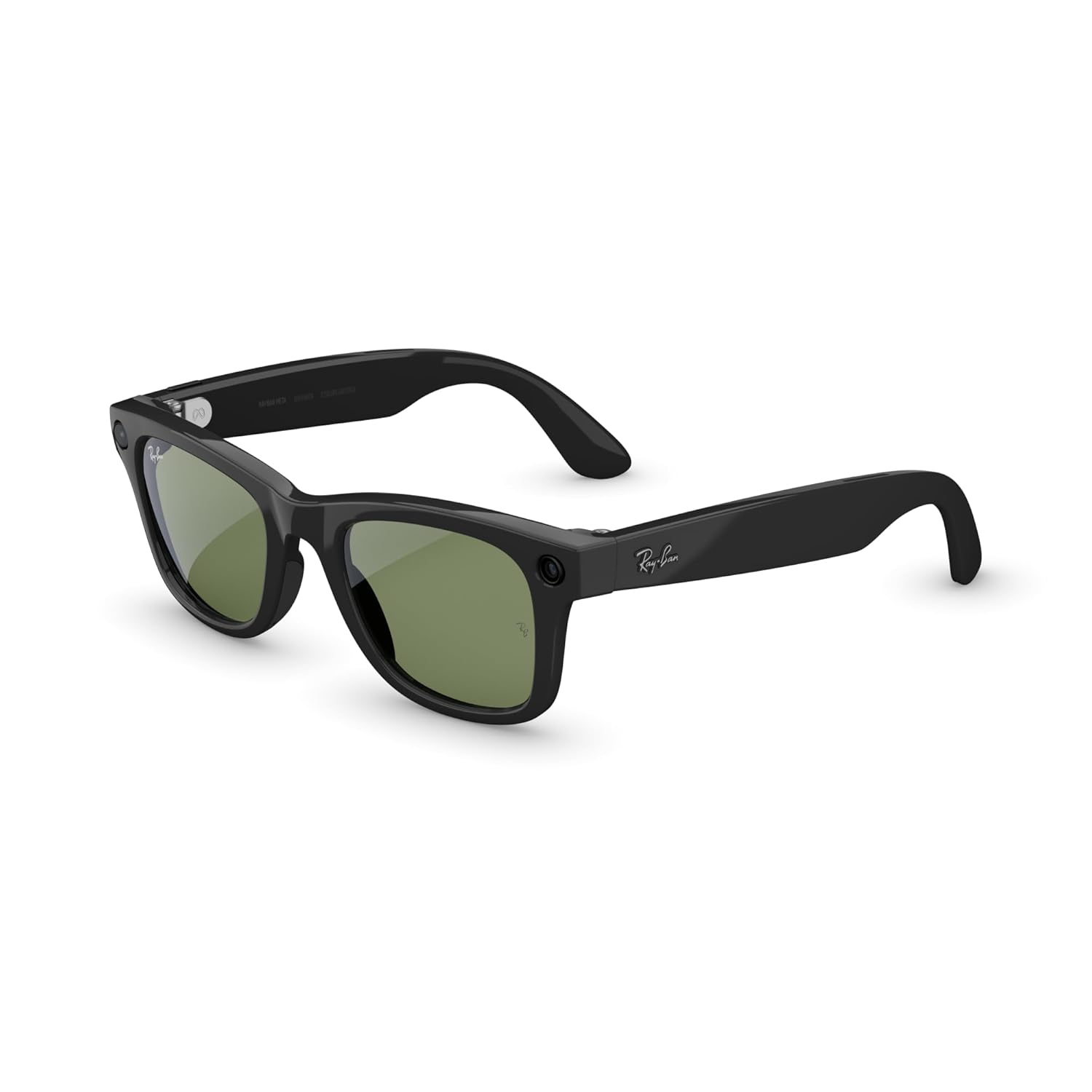
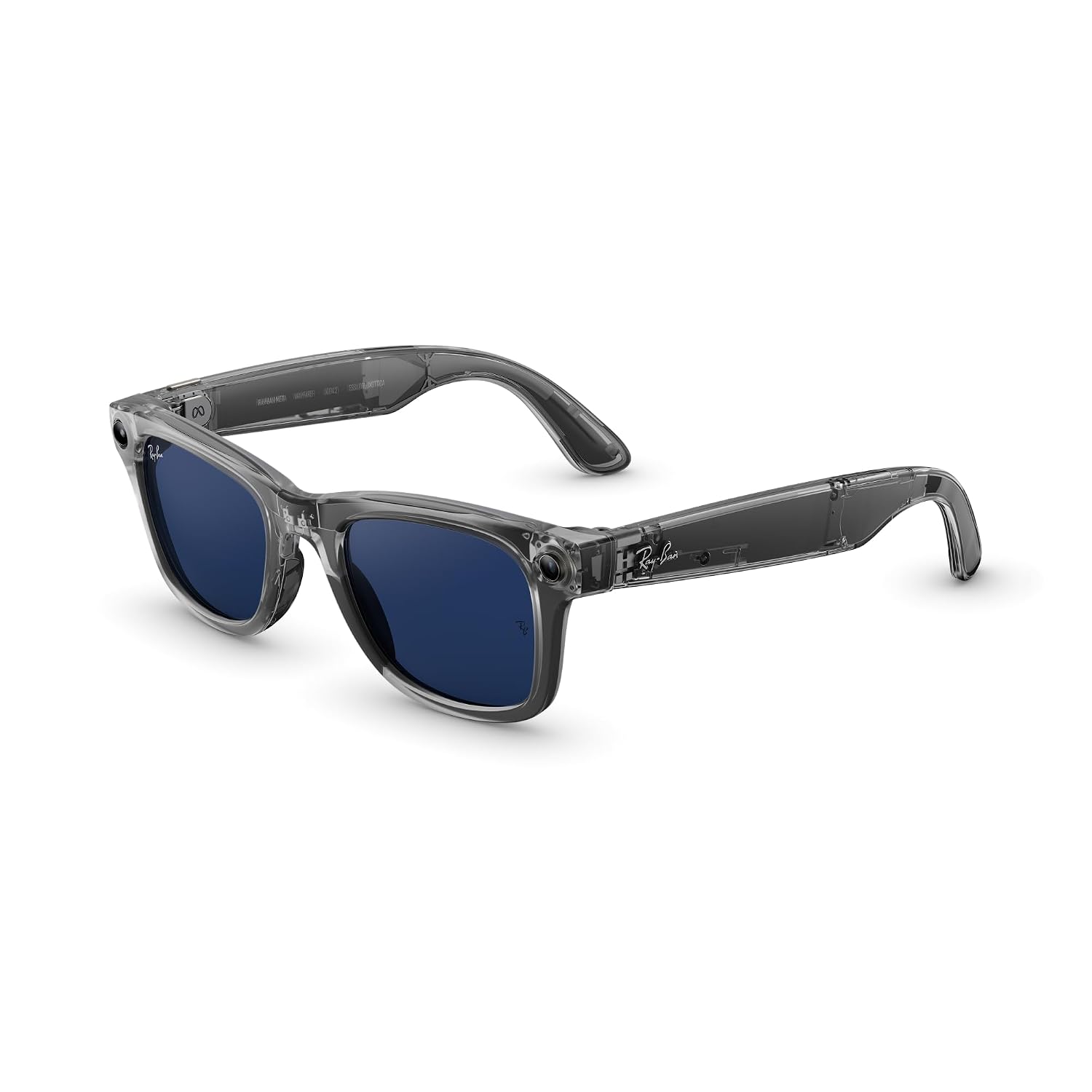
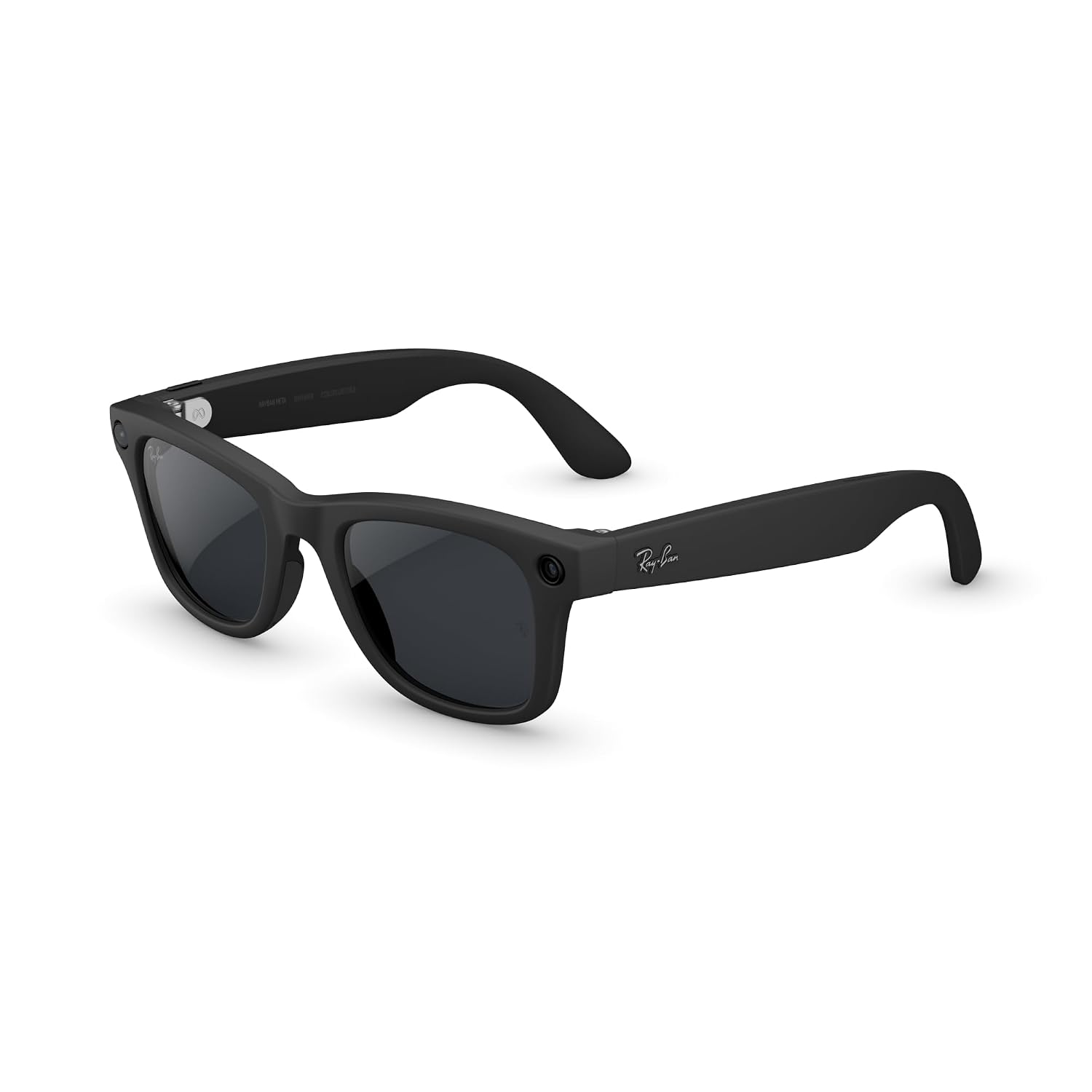
There is a specific kind of embarrassment that comes from raising your phone to film something beautiful and watching the moment collapse into self-consciousness. A heron lifting off a canal in Amsterdam. Your kid stacking blocks for the first time. A skyline going gold at 6 a.m. from an airport gate. I missed a version of all three of those before I started wearing the Meta Ray-Ban Gen 2 smart glasses in Matte Black, the Wayfarer silhouette, with Transitions Grey lenses. Now I tilt my head slightly, tap once on the temple, and the moment is already in my camera roll before the heron clears the tree line.
The First Time I Used It
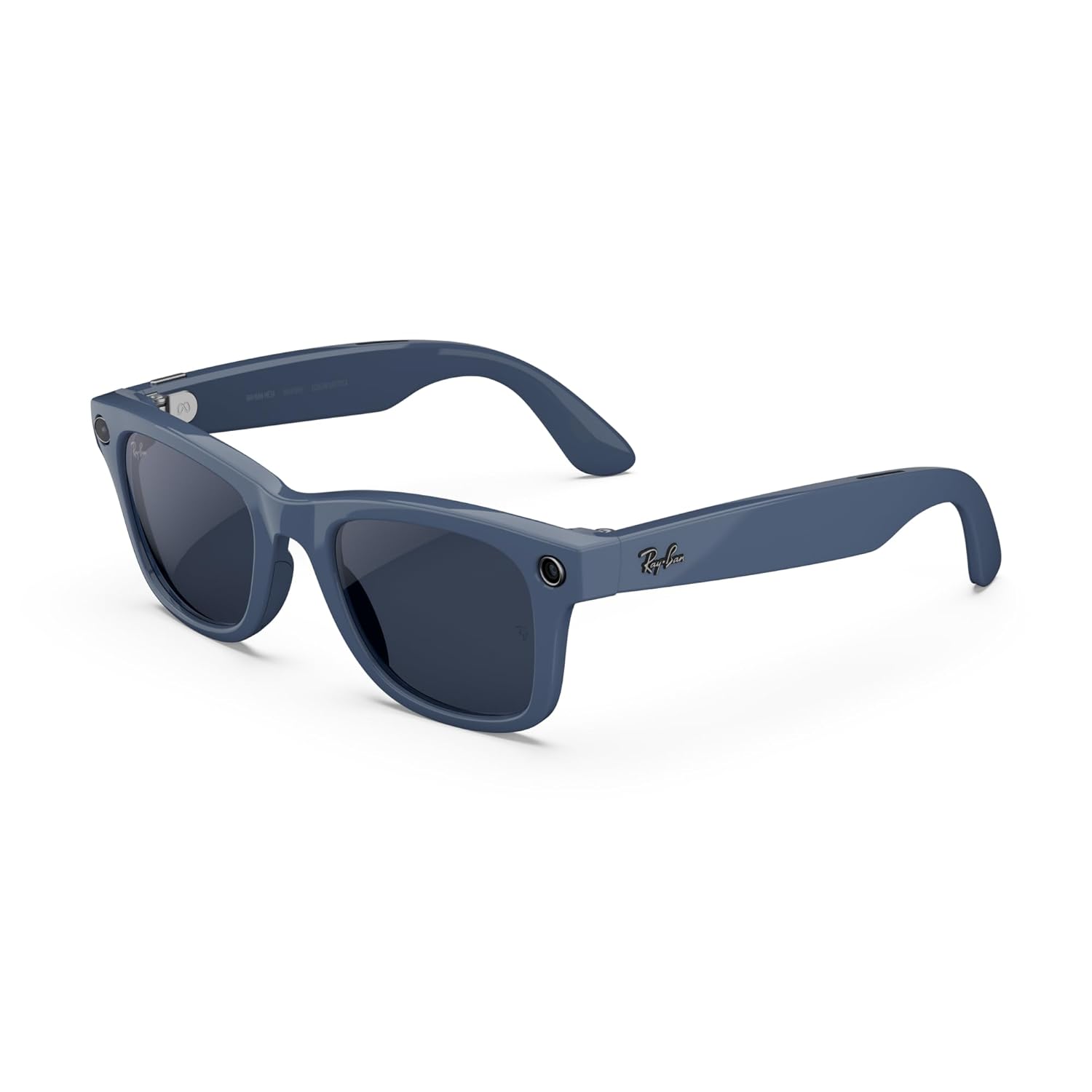
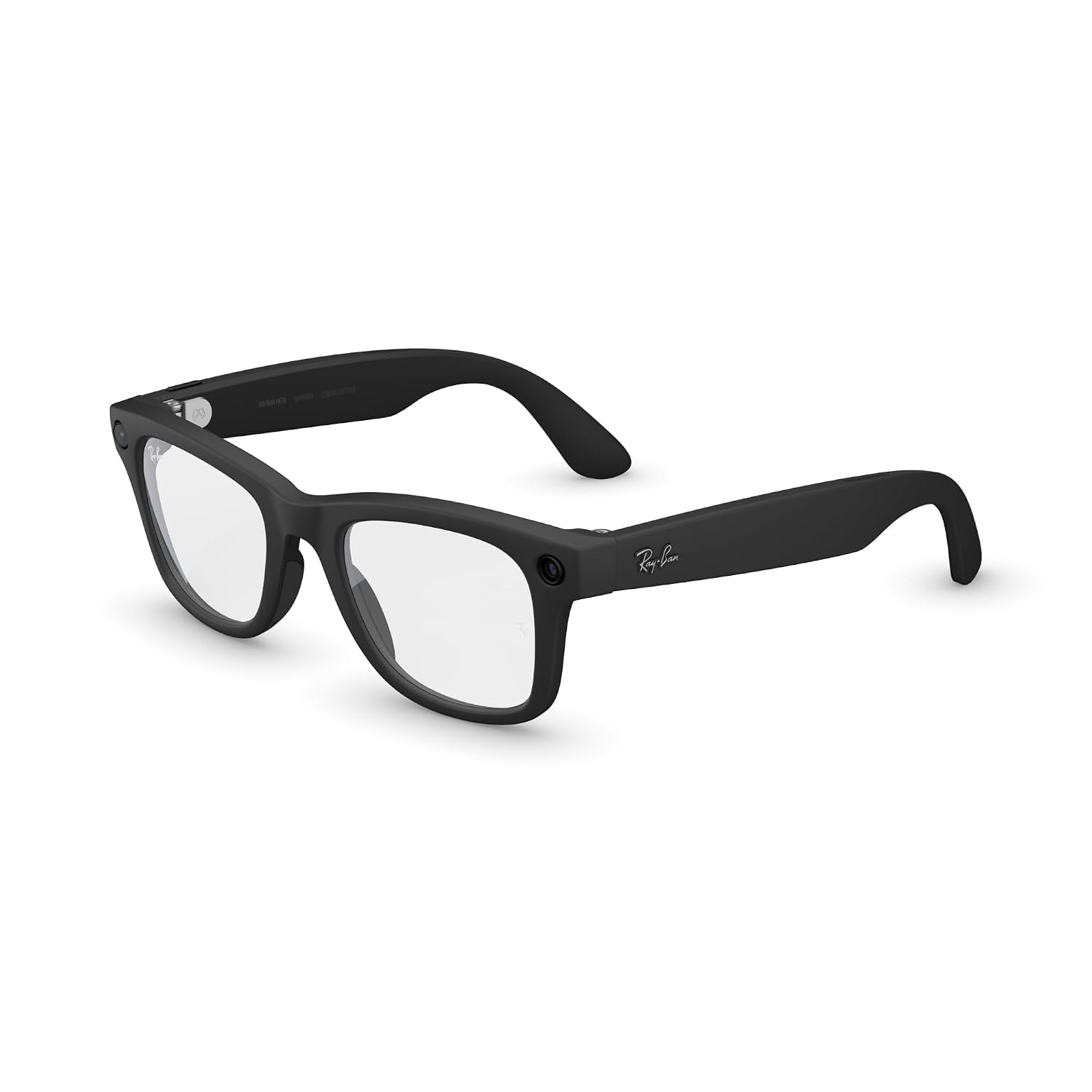
I first noticed the Meta Ray-Ban Gen 2 in a carry-on gear roundup and, honestly, almost scrolled past it. Smart glasses have a track record that reads like a cautionary tale in every wearable technology retrospective, full of early adopter regret and charging docks that outlasted the enthusiasm. But the Wayfarer frame stopped me. It looks like sunglasses. Not tech. Not a prop from a film about the near future. Just sunglasses.
That distinction matters more than it sounds. I ordered a pair partly out of professional obligation and partly because I was genuinely tired of the phone-out reflex. Within 48 hours of unboxing, I was wearing them in places I’d normally leave any gadget in my bag.
How It Actually Performs
The 12MP ultra-wide camera captures at a resolution that holds up on a laptop screen, which is more than I expected from a frame this slim. Video is smooth for something mounted on acetate rather than a gimbal, and the audio recording picks up ambient sound with enough clarity that short clips feel like they were shot with intention. The open-ear speakers, which Meta uses for its AI audio layer, are quiet enough at low volume that strangers won’t hear your podcasts, though a crowded subway will absolutely swallow them.
“The Wayfarer frame is doing a lot of work here. It’s the reason these glasses get worn instead of forgotten in a drawer.”
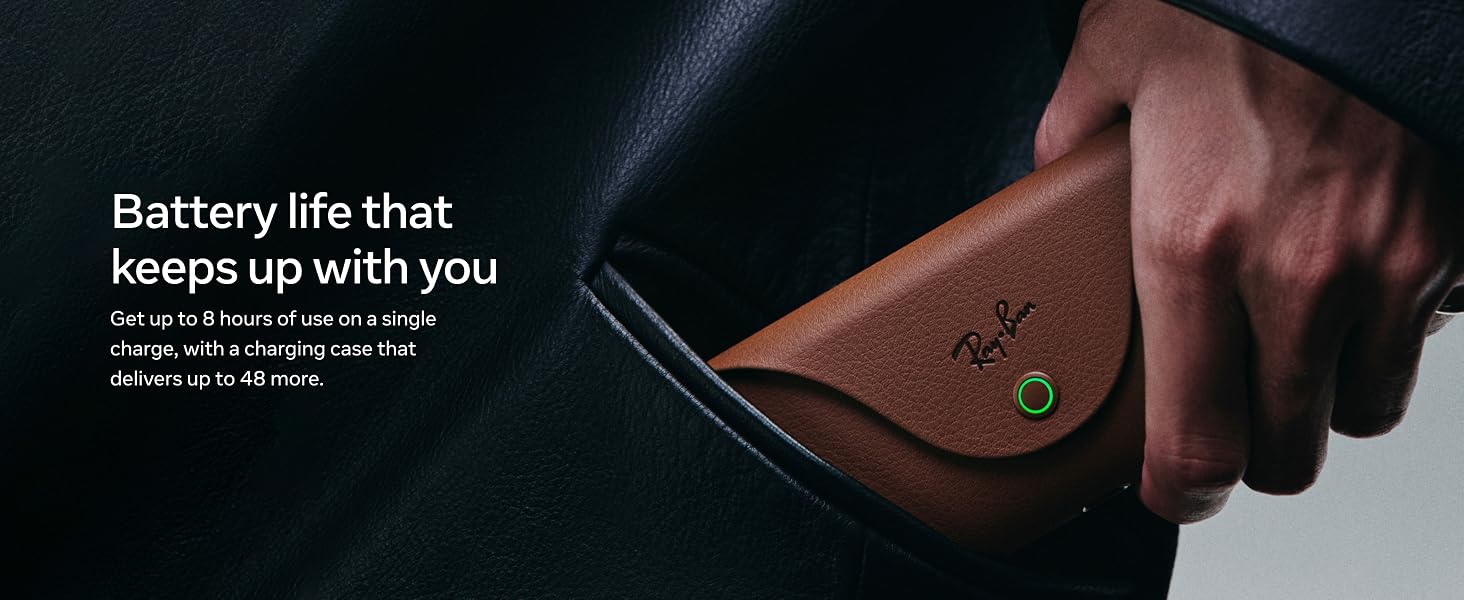
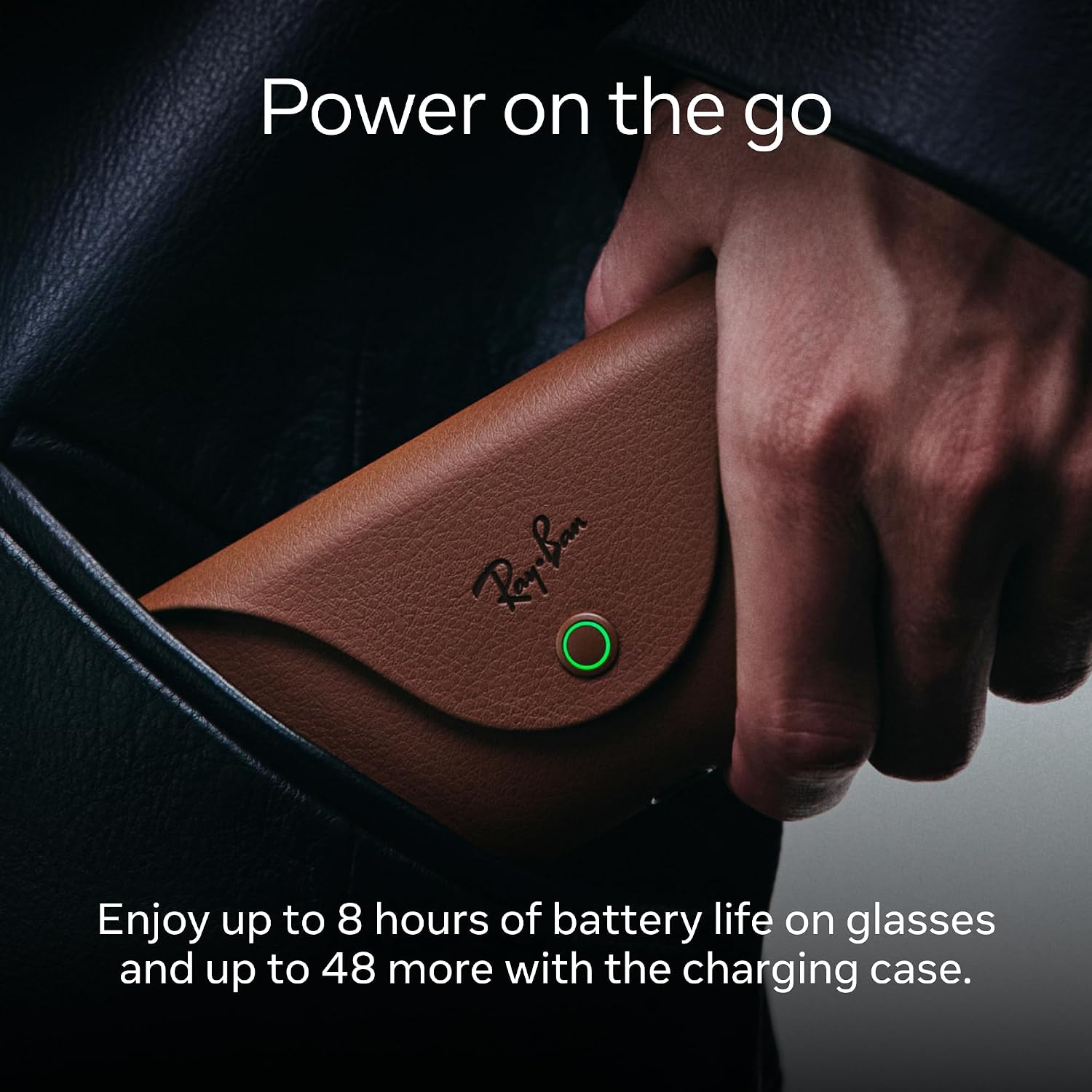
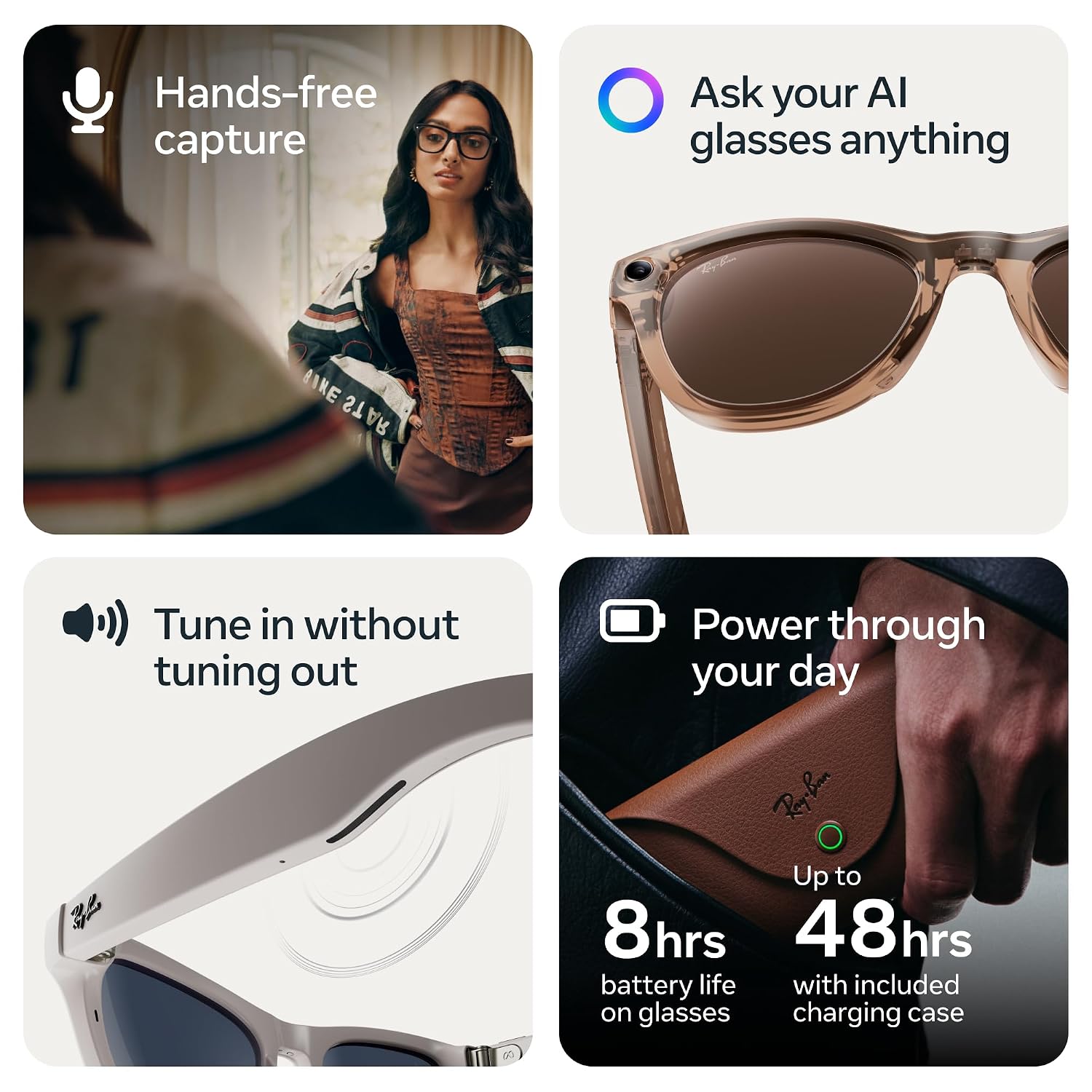
Battery life is the headline spec, and in this case it actually delivers. Meta claims up to 36 hours, and across my testing, I found that number plausible for moderate use: music streaming, occasional camera taps, a few AI voice queries per day. Heavier video capture will draw that down faster. One honest note: the charging case is bulkier than you want it to be in a jacket pocket, and while the USB-C connector is the right call for 2024, the cable isn’t included in the box, which feels like an oversight at this price point. You can dig into the broader conversation around wearable AI devices to see how this fits the current landscape.
How I Actually Used It
Setup 1: Tuesday Standup, Living Room Chaos
My work from home setup involves a standing desk, two monitors, and a toddler whose schedule treats 9 a.m. as negotiable. During back-to-back calls, I started wearing the Ray-Bans not for audio, but because the AI voice layer lets me ask quick questions without alt-tabbing away from a screen share. I asked it to remind me about a follow-up email mid-call. It did. I kept my eyes on the meeting. The open-ear speaker is unobtrusive enough that no one on the call seemed to notice anything unusual, which is the best possible outcome for any work from home gadget.
Setup 2: Saturday Farmers Market, Both Hands Full
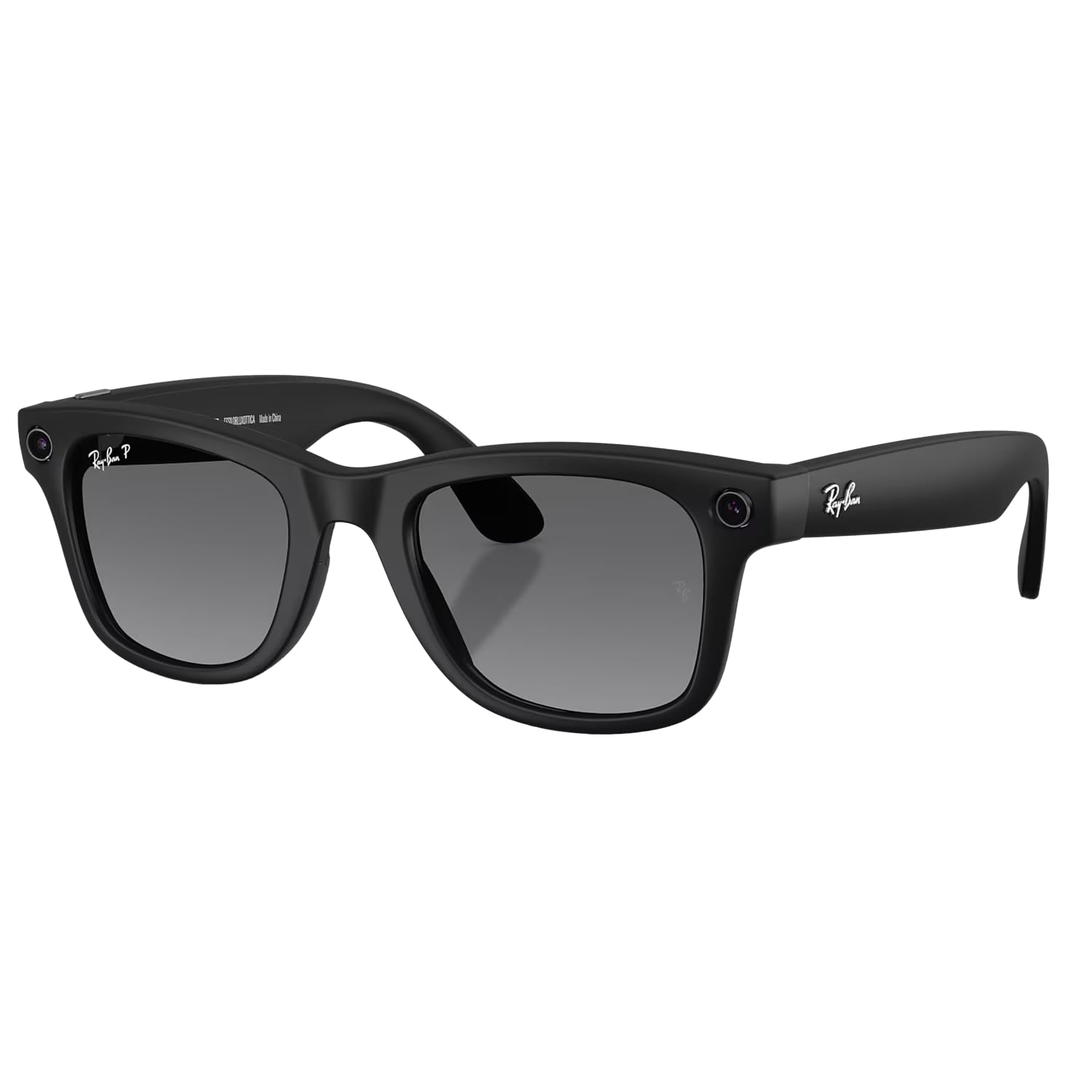
This is where the camera earns its place. I had a tote in one hand, a coffee in the other, and a dog on a leash behaving with approximately 40% reliability. My phone was buried. I captured six photos and one 30-second video without putting anything down. The ultra-wide field of view handles the wide, cluttered, naturally lit scenes of an outdoor market better than I expected, with good color rendering in direct morning sun, especially through the Transitions Grey lenses, which darkened quickly and evenly.
Setup 3: Long-Haul Flight, Window Seat
For a work from home setup enthusiast who also travels every six weeks, the flight test matters. I wore the Ray-Bans for the first four hours of a transatlantic leg, streaming a playlist through the open-ear speakers and using the AI assistant to draft a packing list for the return trip out loud, quietly, into my own ears. The Transitions lenses shifted appropriately in the inconsistent cabin light, which is a small thing that I noticed precisely because it worked without my thinking about it. The case kept the glasses charged and protected in the seat-back pocket, though fitting it alongside a boarding pass wallet required some geometry.
What Other People Are Saying
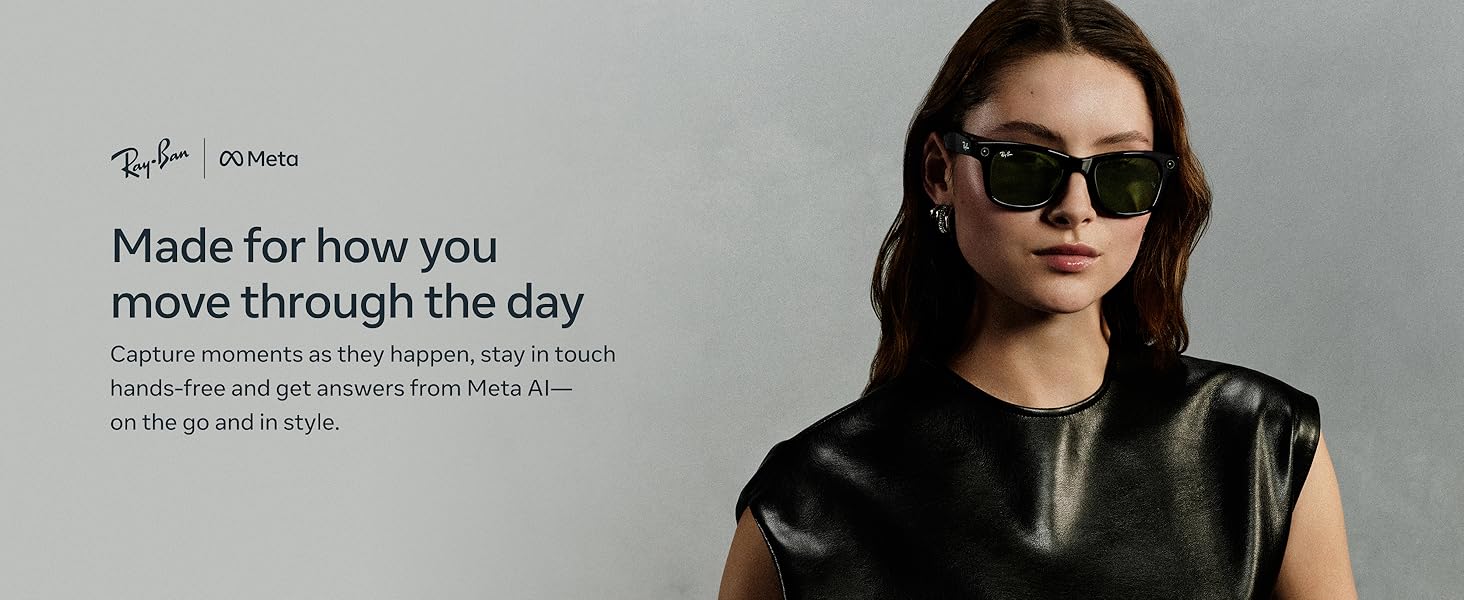
The Meta Ray-Ban Gen 2 smart glasses review landscape is still thin but directionally consistent: people who wear them daily find the camera and AI integration genuinely useful, while occasional users tend to forget they’re there until something makes them reach for their phone instead.
That pattern is, itself, a compliment. The best travel gadget for hands-free capture is the one you forget you’re wearing until you need it, and this one disappears into your face in a way no previous smart glasses iteration has managed.
Who Should Skip It
If your primary use case is video calls that require a front-facing camera, these won’t replace your webcam or phone. The camera faces outward, not inward. The AI features also require a paired smartphone and a working data connection, so if your work from home setup involves a hardwired desktop with no phone nearby, the assistant layer becomes friction rather than help. And if you find open-ear speakers genuinely irritating for music, you’ll want to explore our other wireless audio and charging accessories and reconsider whether the audio component justifies the spend. These are not ANC headphones, and treating them like a headphone replacement will disappoint.
What It Replaces on My Desk
For the better part of two years, I kept a small action camera in my everyday bag specifically for the kind of documentary moment that phones handle awkwardly. It lived in a protective case, required its own charger, and I used it maybe twice a month because getting it out was one step too many. That camera is now in a drawer. The Ray-Bans don’t match its video quality, but they’re on my face, which means they get used. For a look at how mobile camera accessories and capture tools have evolved alongside wearables, it’s been a meaningful category shift. The Ray-Bans also replaced a habit: reflexively pulling my phone out of my pocket during conversations. I stopped doing that. That replacement has more value than I expected.

FAQ
Do the Meta Ray-Ban Gen 2 glasses work with any smartphone?
Yes. They pair via Bluetooth with both iOS and Android through the Meta View app. Setup takes under five minutes and the connection has been reliable in my testing across both platforms.
How long does the battery actually last in daily use?
For mixed use, which includes music, occasional camera captures, and a few AI queries per day, I consistently got between 6 and 8 hours of active wear before needing the case. The case itself provides multiple additional charges, pushing total use well beyond a single day without a wall outlet.
Can I wear these all day as my primary sunglasses?
The Transitions Grey lenses work outdoors and clear reasonably indoors, so yes, they function as everyday sunglasses. The frame weight is comparable to a standard acetate Wayfarer, and comfort over a full day is solid. These are built on the same category logic as other phone and mobile companion accessories, meaning they’re designed to integrate with your phone workflow, not replace it entirely.
Does the build quality match the premium positioning?
The acetate and stainless steel construction feels genuinely solid, not hollow or plasticky in the way some tech-adjacent wearables do. The hinges have weight. The matte black finish resists smudging better than glossy alternatives, and after three weeks of daily wear including one beach day, there are no visible stress marks or finish wear. The build reads above what you’d expect from a product with this much electronics packed into a standard sunglass profile, and given the build quality, the value proposition holds up against comparable wearable tech.
What’s the return and warranty situation?
Meta offers a standard one-year limited warranty covering manufacturing defects. Retail purchase policies vary by retailer, but most major tech sellers offer at least a 30-day return window. It’s worth checking with your specific seller at purchase.

The Verdict
Six weeks from now, I know exactly where the Meta Ray-Ban Gen 2 Matte Black Wayfarers will be: on my face at a Tuesday standup, or folded into the case in my carry-on, or catching morning light on a walk where my hands are full and my phone is in my pocket where it belongs. That’s not a projection. It’s a pattern that’s already established itself. For anyone whose work from home setup blends with a life that moves, from airport gate to back yard to coffee shop, these glasses solve a problem I didn’t fully articulate until they solved it. They are not flawless. The case is too big, the speakers won’t satisfy audiophiles, and the AI layer requires patience and connectivity. But the camera is good enough, the frame is genuinely attractive, and the form factor finally, actually works in the real world. Check out our full editor’s recommendations if you’re comparing this against other smart accessories, or browse our curated gift ideas for tech enthusiasts for context on how this fits a broader wish list. The Meta Ray-Ban Gen 2 is the first smart glasses I’ve owned that I’d recommend to someone who doesn’t think of themselves as an early adopter, and that alone puts it in a category of its own. For a deeper look at how reviewers across the industry are framing the current wearable AI wave, Engadget’s wearable tech coverage and Tom’s Guide’s smart glasses reviews are worth a read alongside this one.
Every Angle
The product as photographed for Amazon — hero, angles, ports, detail.

As an Amazon Associate I earn from qualifying purchases.