Activity Tracker for Women: Honest Review

After three weeks sleeping, sprinting, and stress-eating through a product launch with the WHOOP 5.0 locked around my wrist, I finally understand what it means to actually listen to your body.
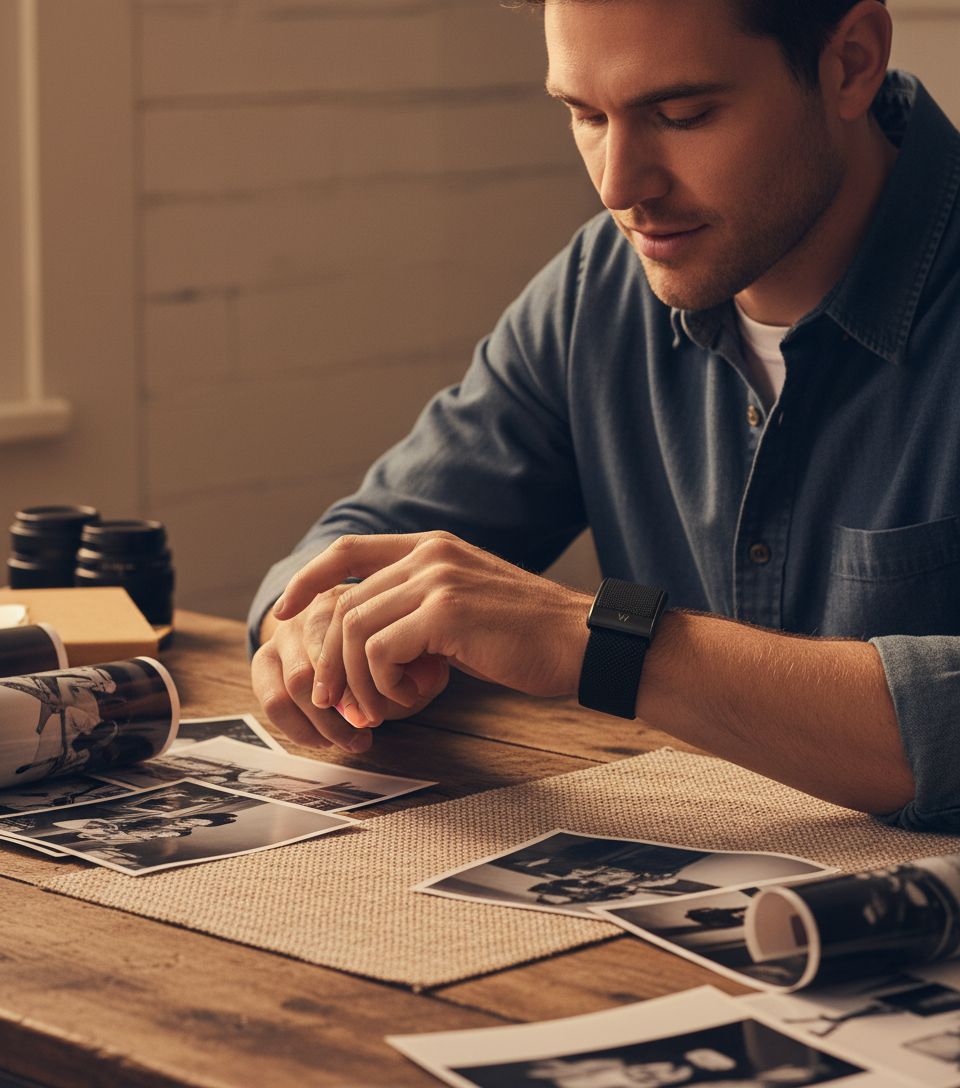
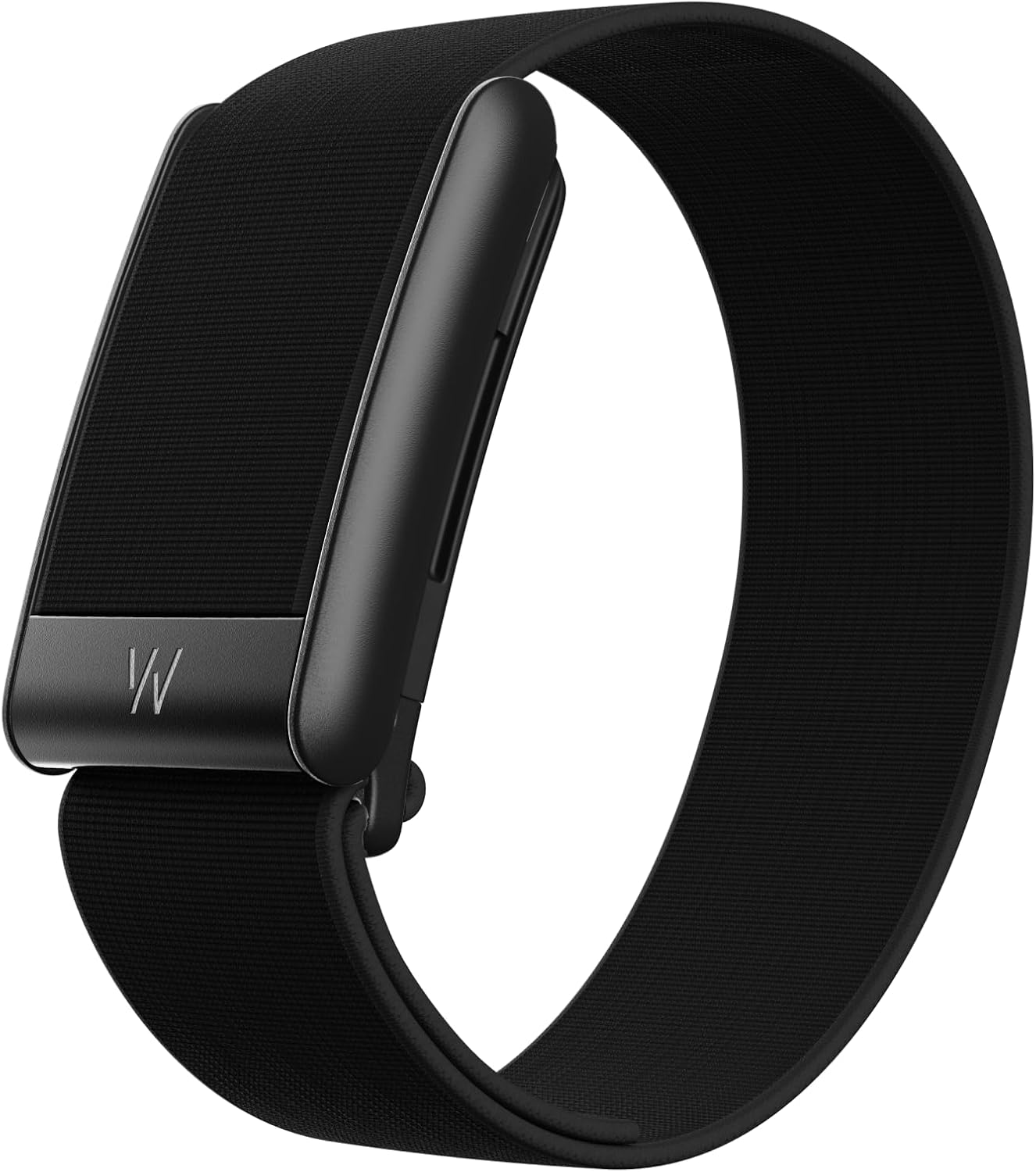
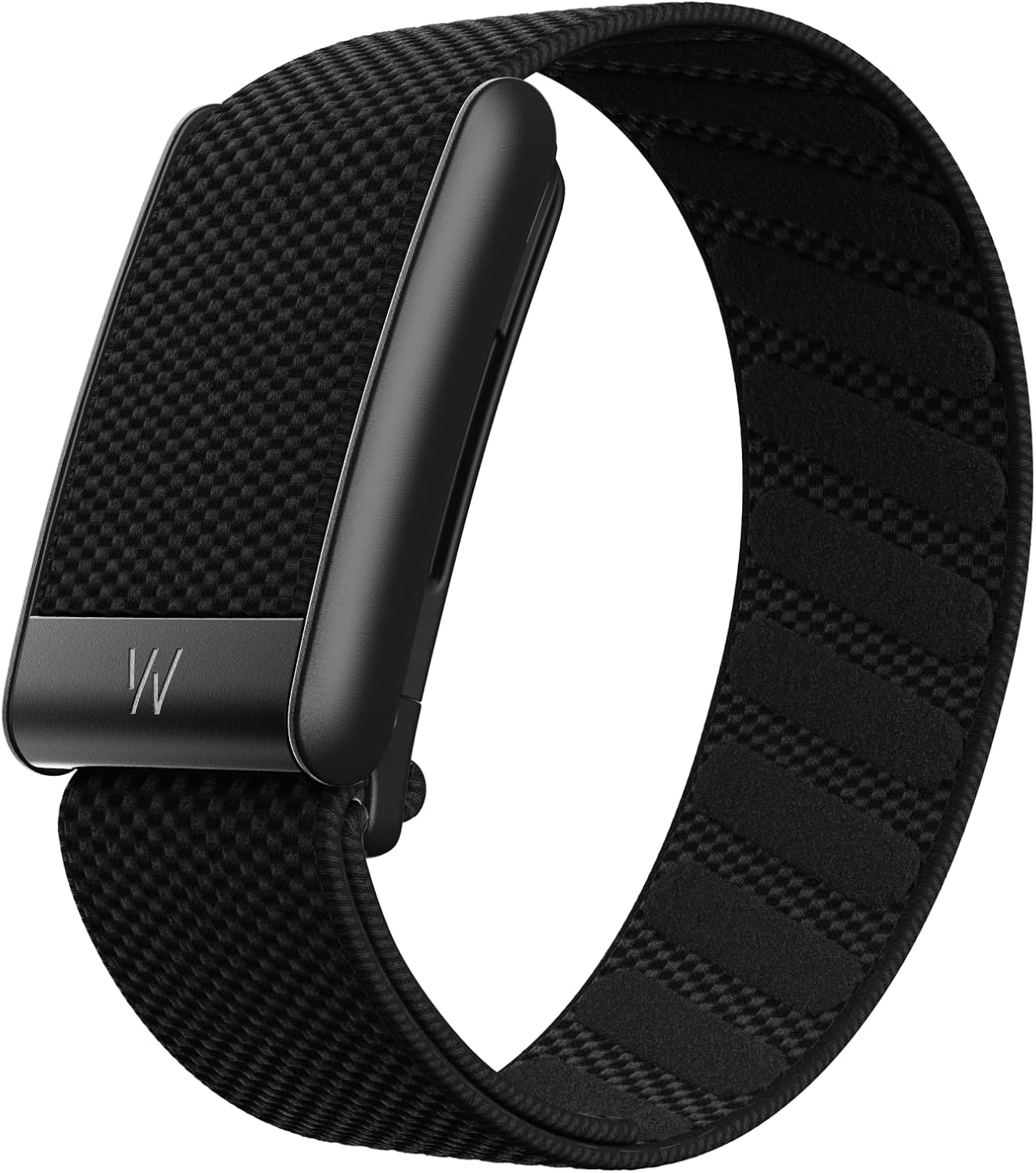
The alarm went off at 6:14 a.m. on a Wednesday, which is not when I set it. I set it for 6:45. But the WHOOP 5.0/MG Activity Tracker had other ideas. Its smart alarm had nudged me awake during a lighter sleep phase, and instead of the usual fog-and-fumble, I sat up feeling something I hadn’t felt in months: like I’d actually slept. The band itself is barely there, a slim silicone loop in matte black that sits flush against your wrist like a second skin. No screen, no notifications buzzing your arm, no glowing face staring back at you at 2 a.m. Just quiet data collection happening in the background of your life, logging heart rate variability, respiratory rate, and sleep cycles while you dream about whatever you dream about. I didn’t expect to care this much about a tracker. Then again, I didn’t expect to feel this rested on a product-launch Wednesday either.
The First Time I Used It
I’d been casually aware of WHOOP for a while, mostly from seeing it on the wrists of athletes in interviews and the occasional fitness-obsessed coworker who’d enthusiastically explain their “recovery score” over lunch. I finally stopped scrolling past it when I started building out a proper work from home setup with actual intention, not just a laptop on a kitchen table but a real system for tracking output, rest, and how the two connect. The pitch intrigued me: no screen means no distraction, and the subscription model bundles both the hardware and the coaching platform into one continuous relationship with your health data.
Unboxing it felt deliberately minimal, which matched the aesthetic. The band slips on like a watch, clasp-free, and the onboarding app walked me through everything in under ten minutes. What hooked me wasn’t the setup. It was waking up the next morning to a full night of data I’d never had access to before.
How It Actually Performs
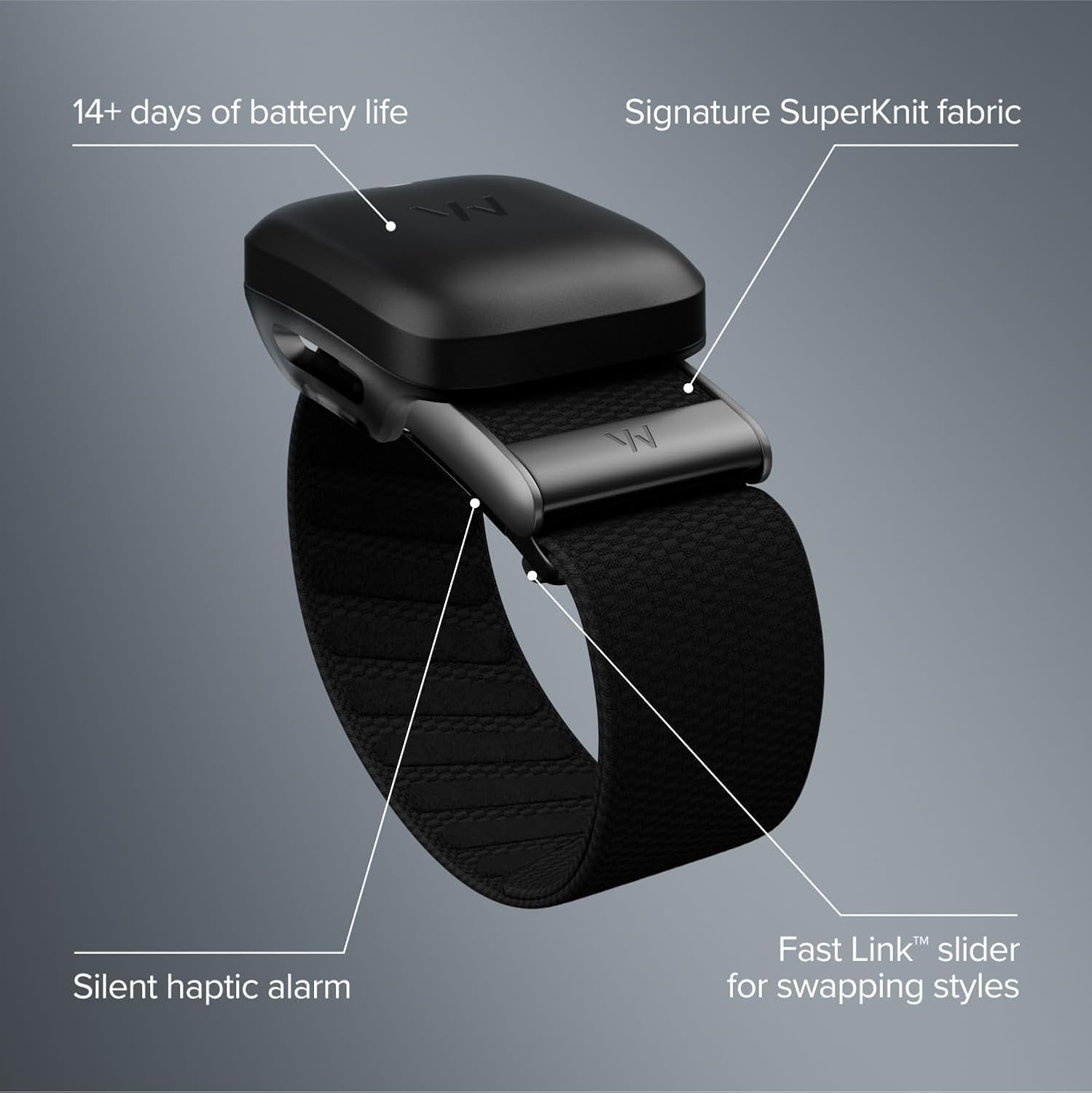
The 14-plus-day battery claim is real, or close enough that I stopped thinking about charging within the first week. WHOOP includes a small battery pack that slides over the band so you can charge while wearing it, which sounds gimmicky until the day you realize you haven’t taken it off in eleven days and it’s still at 40 percent. The heart rate sensor reads continuously, not just on demand, and after cross-checking a few workouts against a chest strap, the accuracy held up well enough that I trusted it for daily decision-making. The real value is in the trend data over time, not any single reading.
“The WHOOP 5.0 doesn’t tell you to work harder. It tells you when you’re already overdoing it, and that’s the harder thing to hear.”
Where it gets genuinely interesting, and occasionally uncomfortable, is the recovery score. Some mornings it told me I was at 34 percent recovered and to take it easy. On days I ignored that and pushed through a hard run anyway, the following night’s sleep data backed up what the score had warned me about. There’s an honesty to the feedback that feels earned rather than algorithmic. For a deeper look at how wearable sensors handle continuous biometric tracking, The Verge’s ongoing tech coverage has tracked how this category has matured over the past few years, and the WHOOP approach stands apart from the screen-centric competition in ways that matter.


How I Actually Used It
Setup 1: Tuesday Standup, Caffeinated Chaos
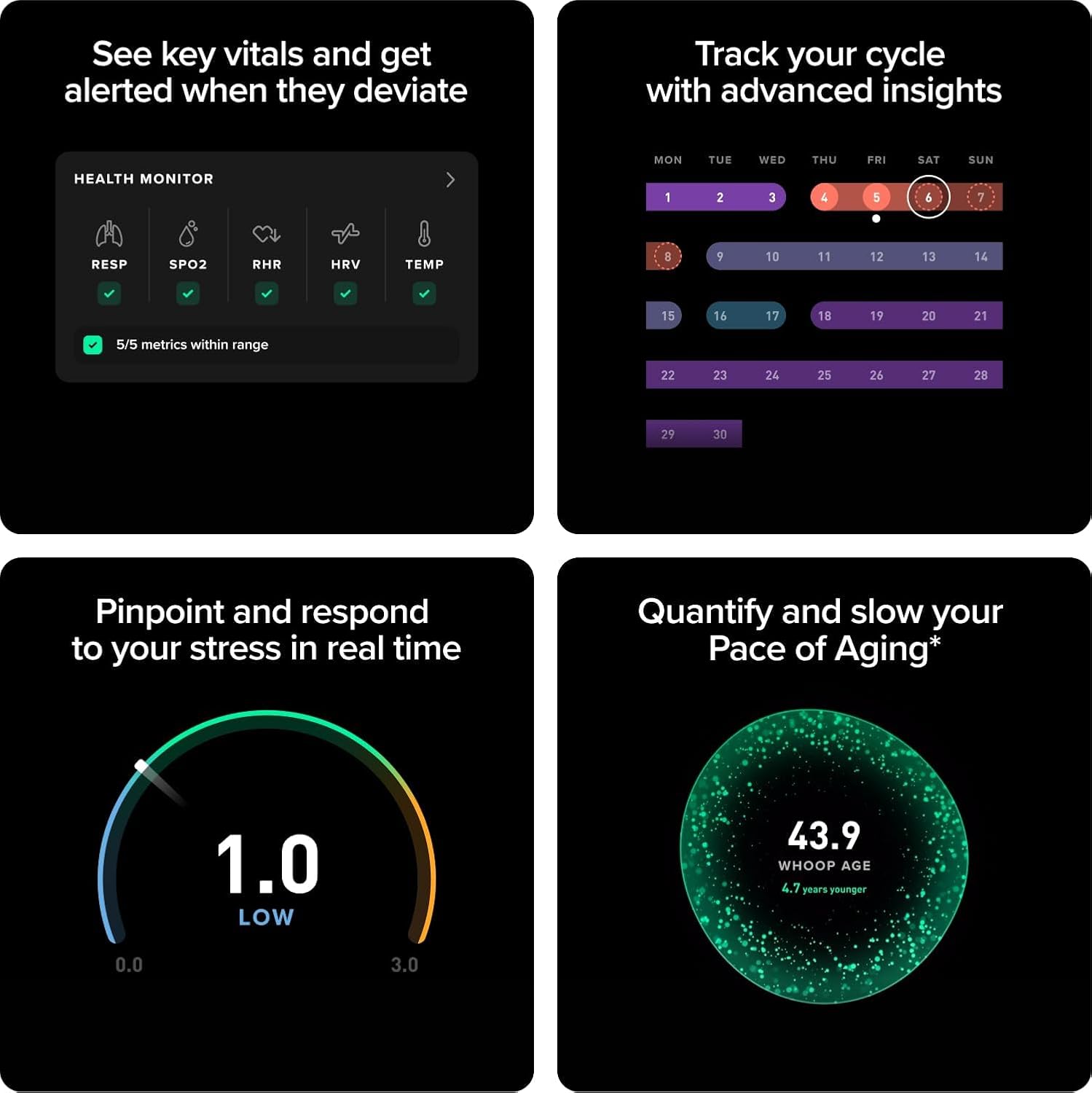
My work from home setup starts at 8 a.m. with back-to-back calls that I used to sprint through on three cups of coffee and sheer momentum. With the WHOOP on my wrist, I started checking my strain score before deciding how aggressively to schedule the afternoon. On a day when my HRV was suppressed and my recovery was low, I’d shift focused work to the morning and push meetings later. It sounds small. It changed my afternoons meaningfully. The personalized coaching feature inside the app translated the raw numbers into plain-language suggestions that didn’t require a biology degree to parse.
Setup 2: Red-Eye to the West Coast
I wore the WHOOP 5.0 through a cross-country flight that landed at midnight local time, which my body clocked as 3 a.m. The sleep tracking logged the fragmented, shallow rest I got in the aisle seat with the precision of something that clearly knew I was not actually sleeping, just horizontal. The next morning’s score reflected that accurately, which meant I had data to justify a lighter day instead of just a vague feeling of exhaustion. For frequent travelers treating this as a travel gadget built into a health system, that kind of trip-aware recovery context is surprisingly useful. It also never needs to be charged at an airport outlet, which is its own small freedom.
Setup 3: A Month of Menstrual Cycle Tracking
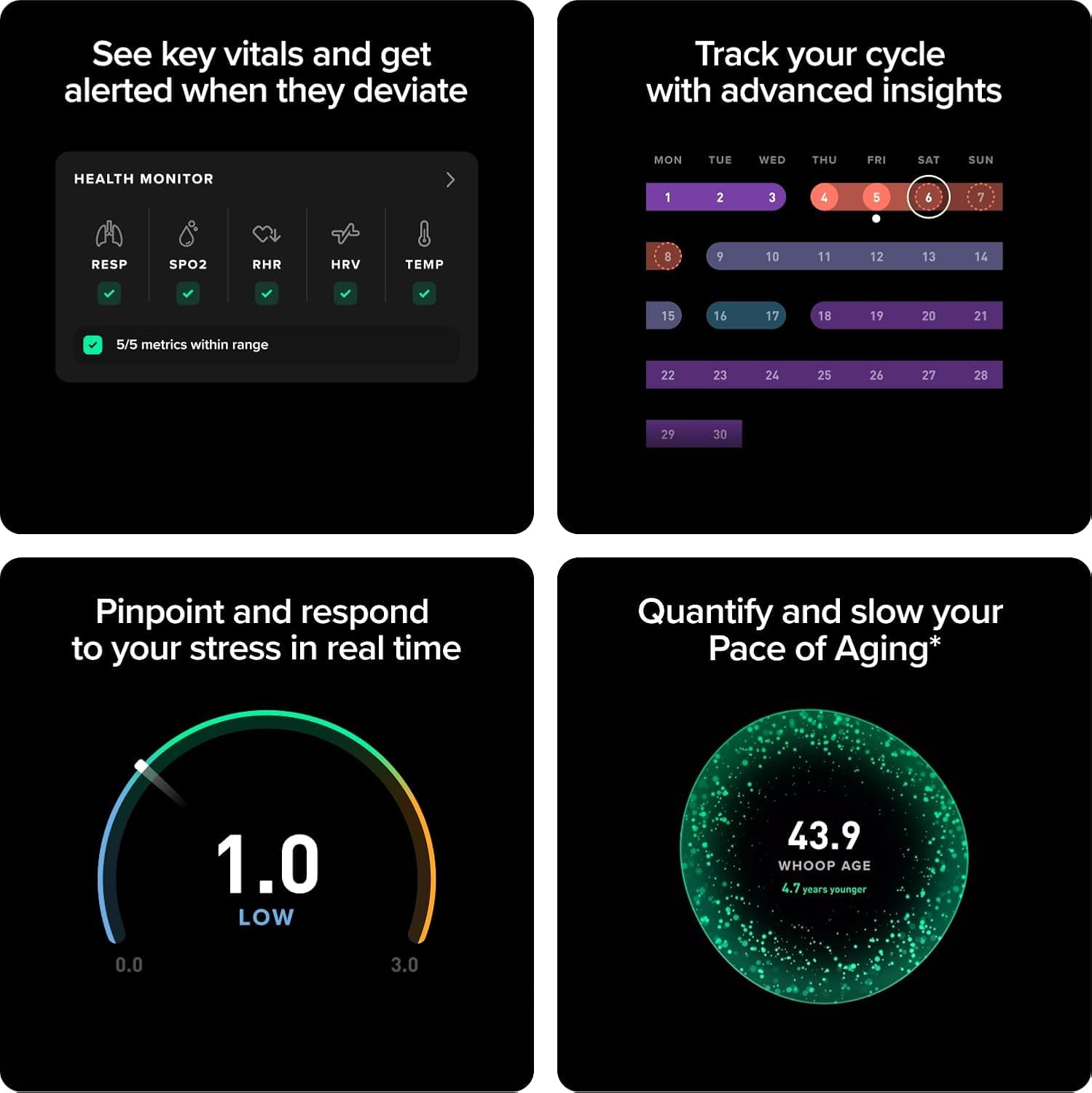
The WHOOP 5.0 added menstrual cycle insights as a core feature, not a tacked-on afterthought, and it’s worth addressing directly. The tracker uses skin temperature, HRV, and resting heart rate to identify cycle phases and flag how they’re likely affecting your recovery capacity and training response. Over a few weeks, the predictions became more accurate and the coaching adjusted accordingly, suggesting modified workout intensity during luteal phase days when recovery is naturally harder. This level of physiological nuance in a fitness wearable is rare and genuinely useful for anyone who wants their health data to reflect how their body actually works rather than a gender-neutral default.
What Other People Are Saying
With over 2,600 ratings averaging 4.2 out of 5, the consensus is that most people who commit to the WHOOP ecosystem end up genuinely engaged with it. The friction points that show up repeatedly are the subscription model and the learning curve of interpreting the data in the first couple of weeks.
My read on that: the subscription is the product. If you’re not interested in the coaching layer, the platform, and the evolving features, the band alone doesn’t make sense. But if you are, the value reads above what you’d expect from the hardware alone. For comparison-shopping context, sites like RTINGS’s in-depth product testing and Tom’s Guide’s fitness wearable reviews have both benchmarked this category extensively.
Who Should Skip It
If you want a smartwatch that shows notifications, controls music, and displays the time, the WHOOP 5.0 is not that. There is no screen. There is no watch face. You will look at your wrist and see a sleek black band and nothing else. For people whose work from home setup or daily life requires quick glances at the time or incoming messages, this will feel like a step backward. The subscription model also means this isn’t a one-time purchase in the traditional sense, so if you prefer owning hardware outright without an ongoing service relationship, the structure here won’t sit right with you.
Anyone who exercises casually a few times a week and doesn’t care about recovery science will find the depth of data more overwhelming than useful. This tracker rewards obsession, or at least genuine curiosity. If you’re just counting steps, there are simpler tools that cost less and ask less of you. You can browse our wireless charging and wearable accessories picks if you’re building out a broader ecosystem.
What It Replaces on My Desk
I’d been using a combination of a sleep app on my phone and a basic fitness band that tracked steps and heart rate with all the nuance of a grocery store scale. The phone sleep app required me to remember to start it, which I usually didn’t. The fitness band gave me a daily step count and a resting heart rate that I glanced at and forgot immediately. The WHOOP 5.0 replaced both of those and then kept going, adding layers of context I didn’t know I was missing. What I retired was the habit of checking my health data once a day and doing nothing with it.
I also freed up my phone’s nightstand charging spot, since the WHOOP never needs to come off. That’s a minor thing, but after three weeks it started to feel like the whole point. Explore our editor’s top tech picks if you’re rebuilding your setup more broadly, or check the phone and mobile category for wearables and accessories that pair well with this kind of system. If you’re shopping for someone else, our gift ideas guide includes fitness trackers for every kind of user.
FAQ
Does the WHOOP 5.0 work with both iPhone and Android?
Yes. The WHOOP app is available on both iOS and Android, and the band connects via Bluetooth to either platform without any feature restrictions between them.
How does the 14-day battery life work in practice?
The included battery pack slides over the band and charges it while you’re wearing it, so you never actually need to take it off. In real-world use, most users report hitting the 10-to-14-day range depending on how actively the sensor is working.
Can I wear the WHOOP 5.0 while swimming or showering?
Yes. The band is water-resistant to a depth suitable for swimming, and WHOOP specifically markets it as a wear-continuously device, which means showers, pools, and sweat are all fine.
Does the build quality match what you’d expect from a health-focused wearable at this tier?
The silicone band feels dense and purposeful rather than cheap, and the sensor module has no flex or rattle. For what you’re paying, the finish and construction signal a product built to survive daily abuse over months, not just the first few weeks out of the box.
What happens if I decide to cancel my membership?
WHOOP offers membership management through their app and website, and cancellation stops future billing. It’s worth reviewing their current terms directly through the WHOOP platform, as membership options and commitment periods have evolved with each hardware generation.
The Verdict
Three weeks in, I reach for the WHOOP 5.0 the way I reach for my phone in the morning: automatically, because the information it carries has become part of how I make decisions. It’s not a passive accessory. It’s an active argument that your body is producing data constantly, and most of us are just not reading it. For anyone building a serious health-aware home workspace setup, or looking for a travel gadget that earns its place on your wrist across time zones and workouts, this is the most considered fitness tracker I’ve tested. The WHOOP 5.0 review consensus aligns with my experience: the learning curve is real, the subscription is the product, and the payoff is genuine behavioral change if you’re willing to meet it halfway. For more on how the broader wearables landscape is shifting, Wired’s gadget coverage and Engadget’s hands-on reviews offer useful context on where continuous health monitoring is headed. Given the build quality and the depth of the platform, the value reads well above what you’d expect for an accessible fitness wearable in this tier. If you want the best work from home setup companion that also follows you onto the plane and into the gym, the WHOOP 5.0 is the most honest piece of hardware I’ve worn all year.
Every Angle
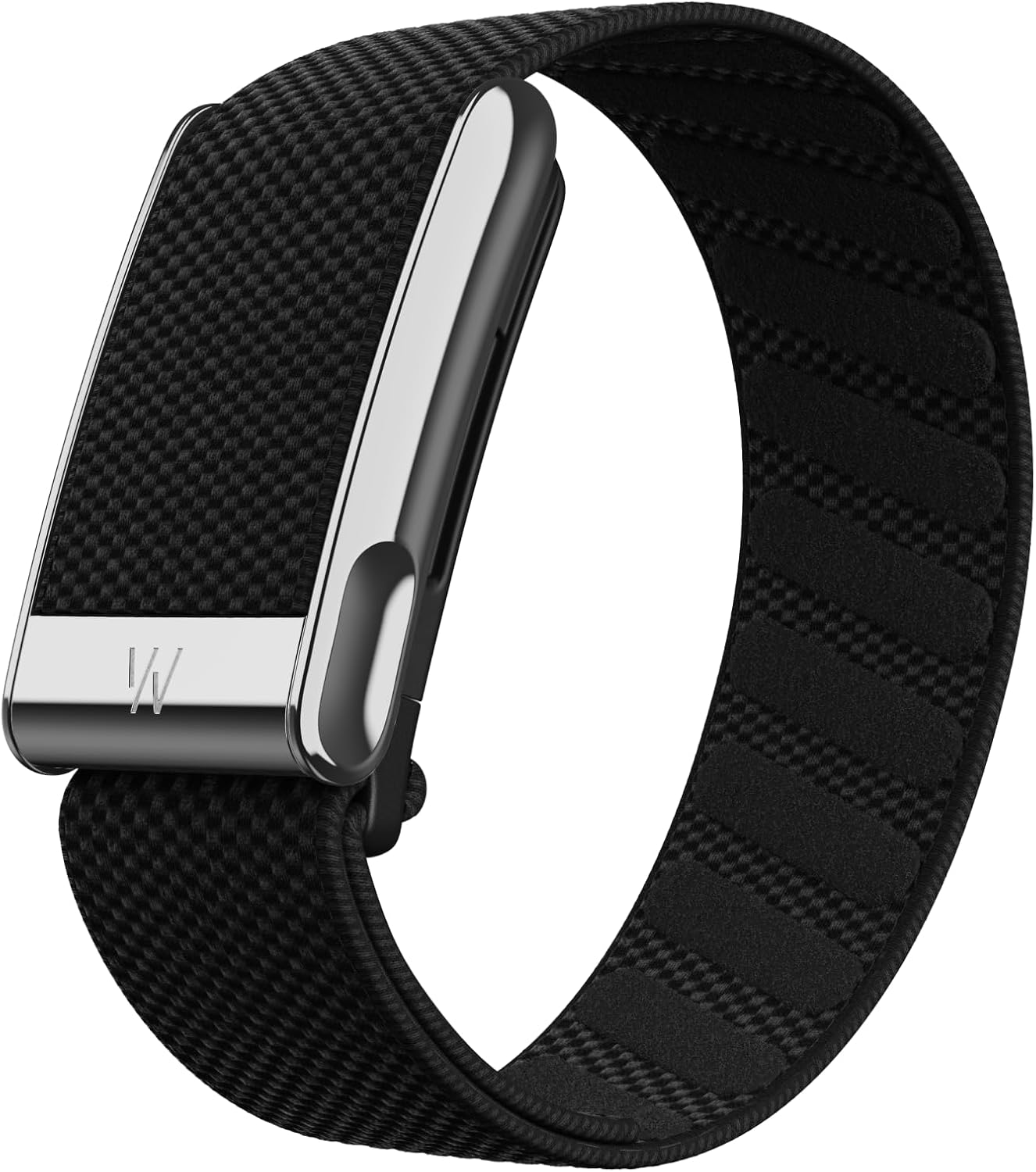
The product as photographed for Amazon — hero, angles, ports, detail.
As an Amazon Associate I earn from qualifying purchases.