AI Smart Glasses for Travel: Honest Review

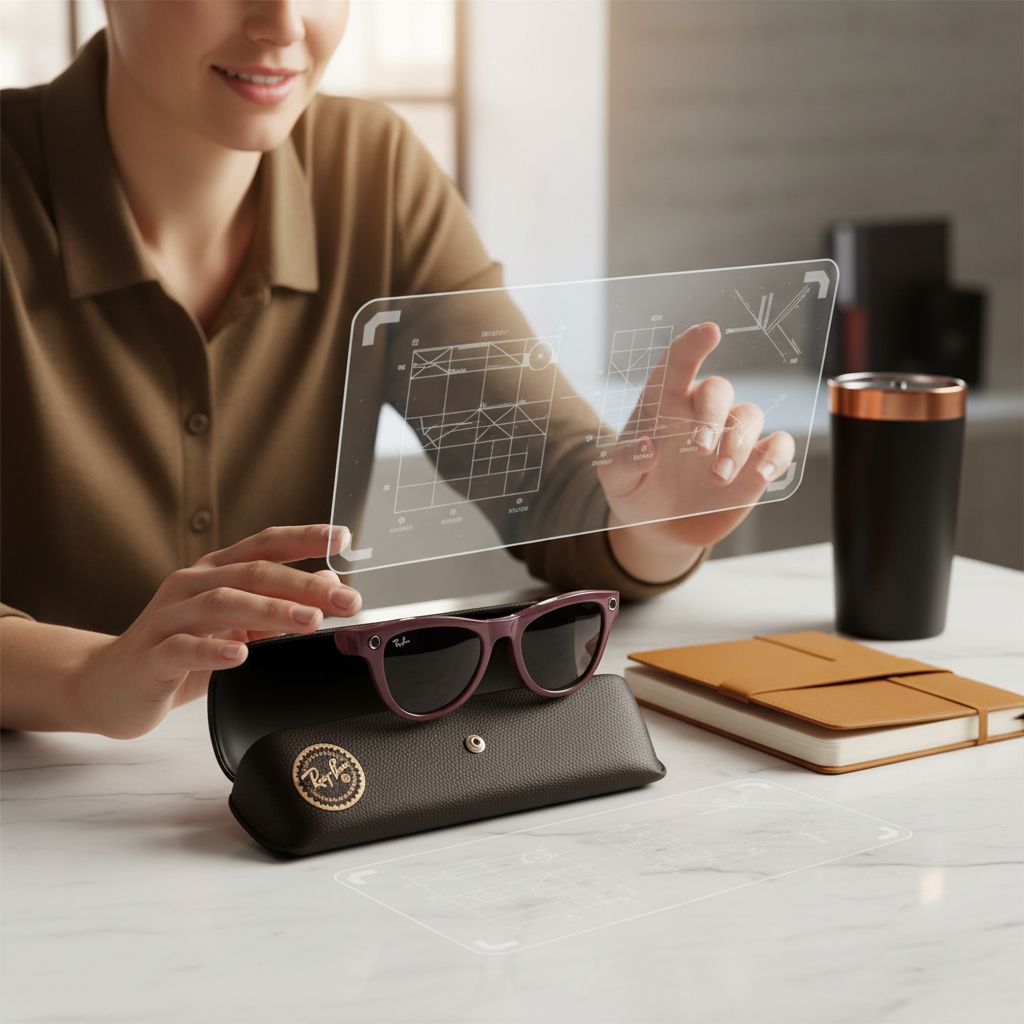
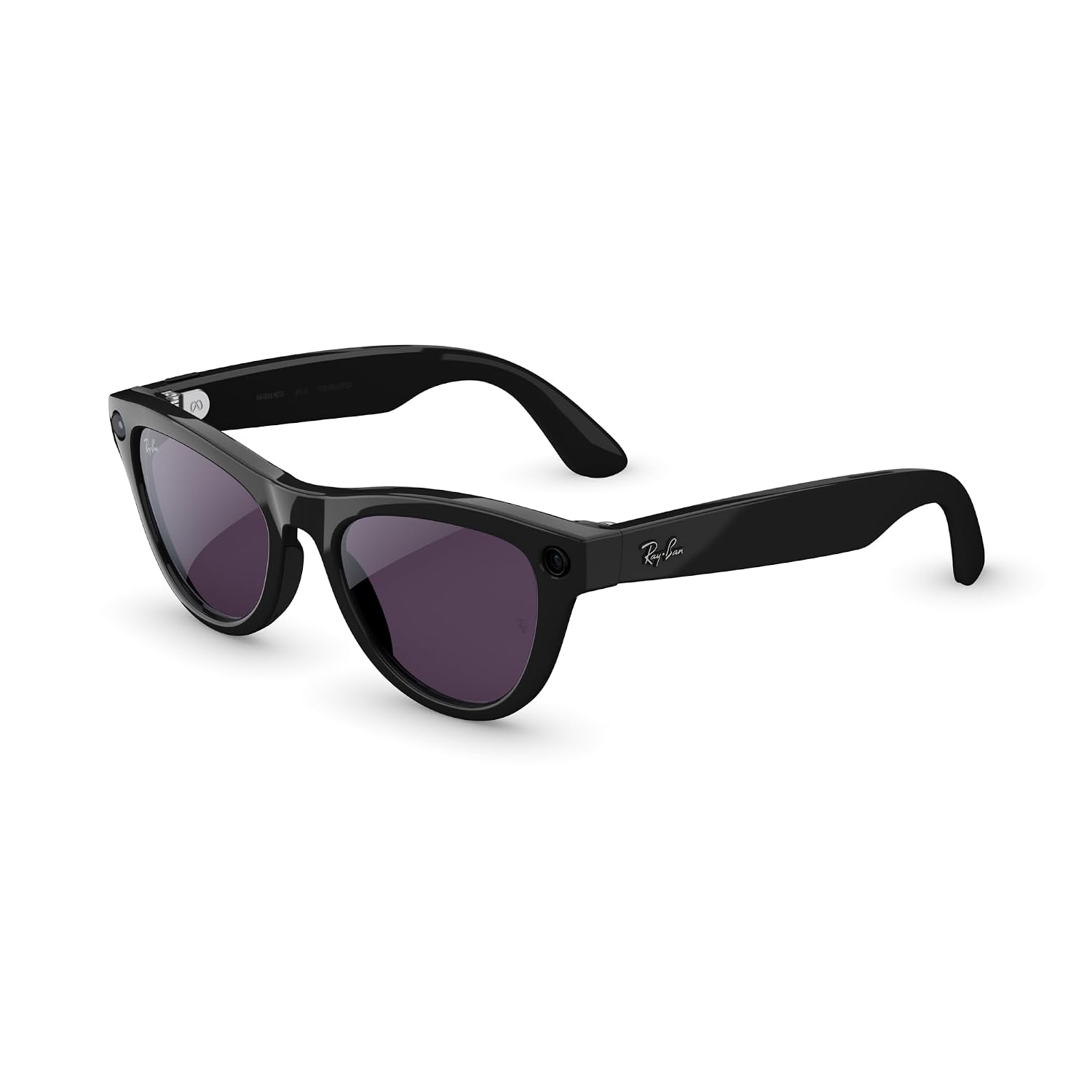
Somewhere between a red-eye out of JFK and a Tuesday morning standup where I desperately needed both hands free, the Meta Ray-Ban Gen 2 Skyler in Shiny Mystic Violet quietly became the piece of gear I reached for without thinking.
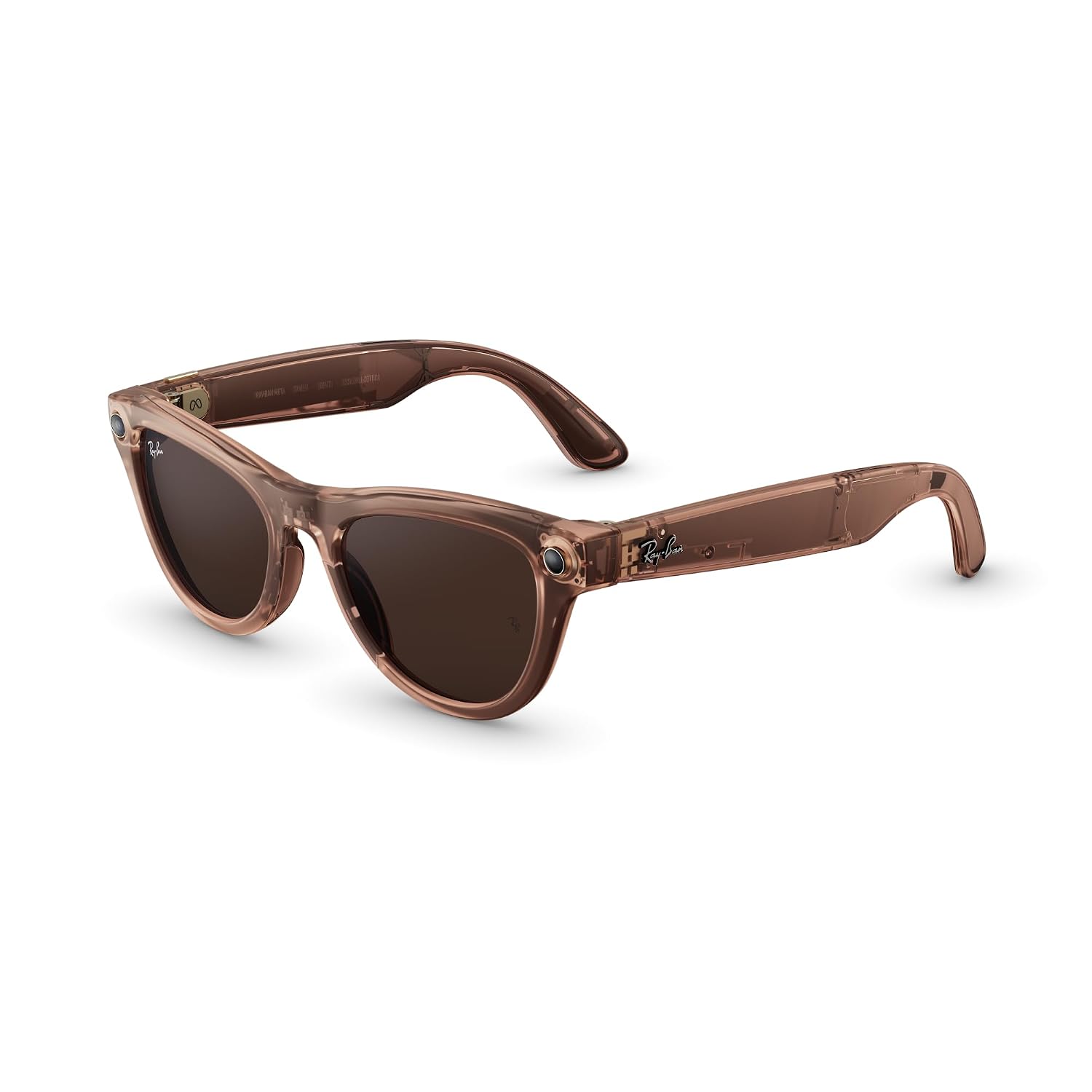
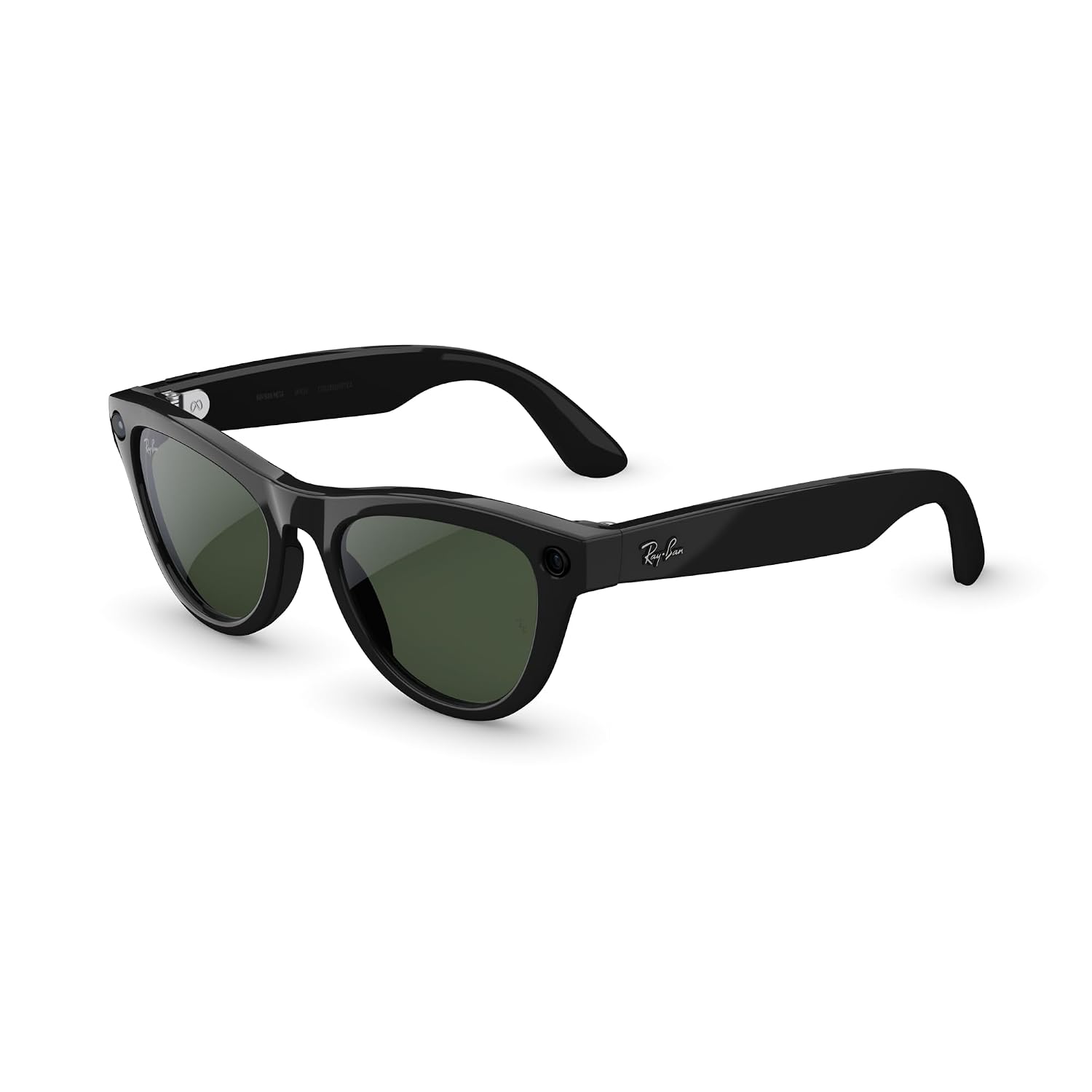
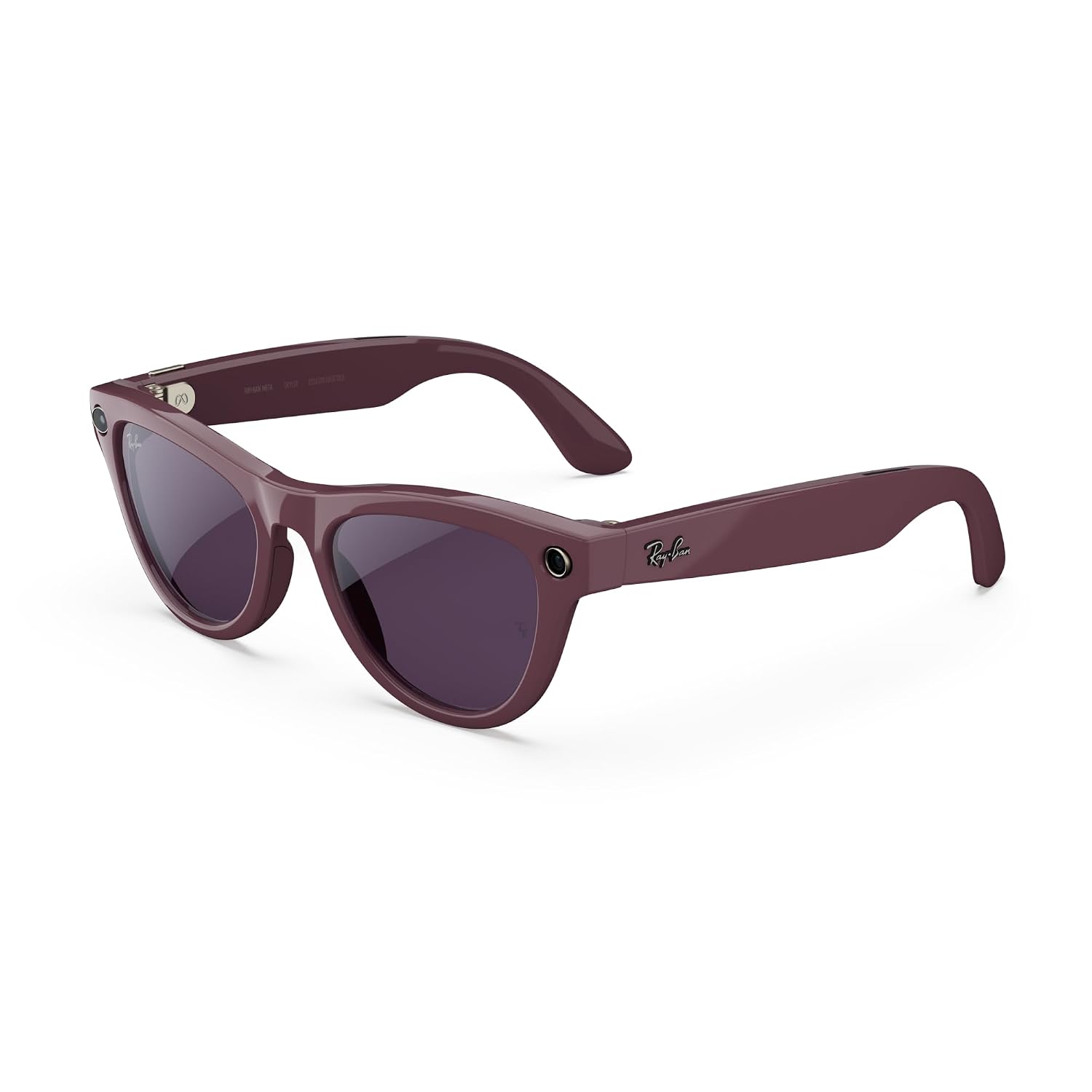
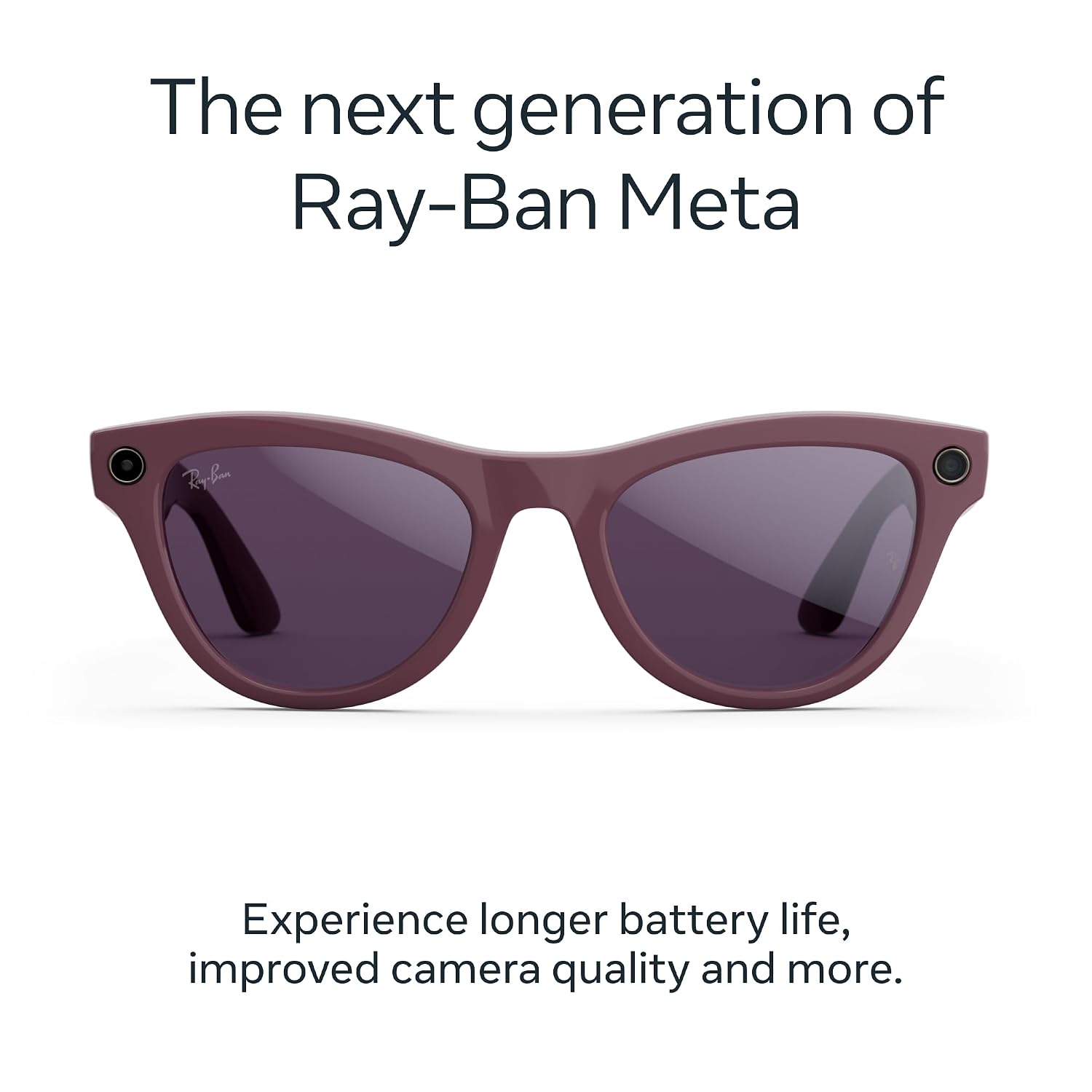
The light through the window hits the lenses first. That violet-to-clear Transitions® shift takes about thirty seconds in direct sun, and there’s something almost theatrical about watching it happen on your face in a bathroom mirror before a flight. The frame is cool aluminum against your temples. The fit is snug without being aggressive, the kind of snug that says “I was actually designed for a human head.” I’d been carrying a separate pair of sunglasses, a separate set of wireless earbuds, and my phone for years, and standing there with the Meta Ray-Ban Gen 2 Skyler on my face, I felt the particular satisfaction of consolidation. Not simplicity for its own sake. Just fewer things to lose at a TSA bin.
The First Time I Used It
I came across this frame while falling down a rabbit hole on Wired’s gadget coverage sometime around midnight, as one does. The Shiny Mystic Violet finish caught my eye in a thumbnail and I assumed it was a fashion collaboration with no real tech inside. Then I read the specs. Twelve megapixels. 3K Ultra HD video. AI assistant built in. A USB-C charging case. I stopped scrolling.
I ordered them partly out of skepticism. Smart glasses have been a punchline for a decade, and I wanted to see whether this particular attempt had actually figured out the form. Spoiler: it mostly had.
How It Actually Performs
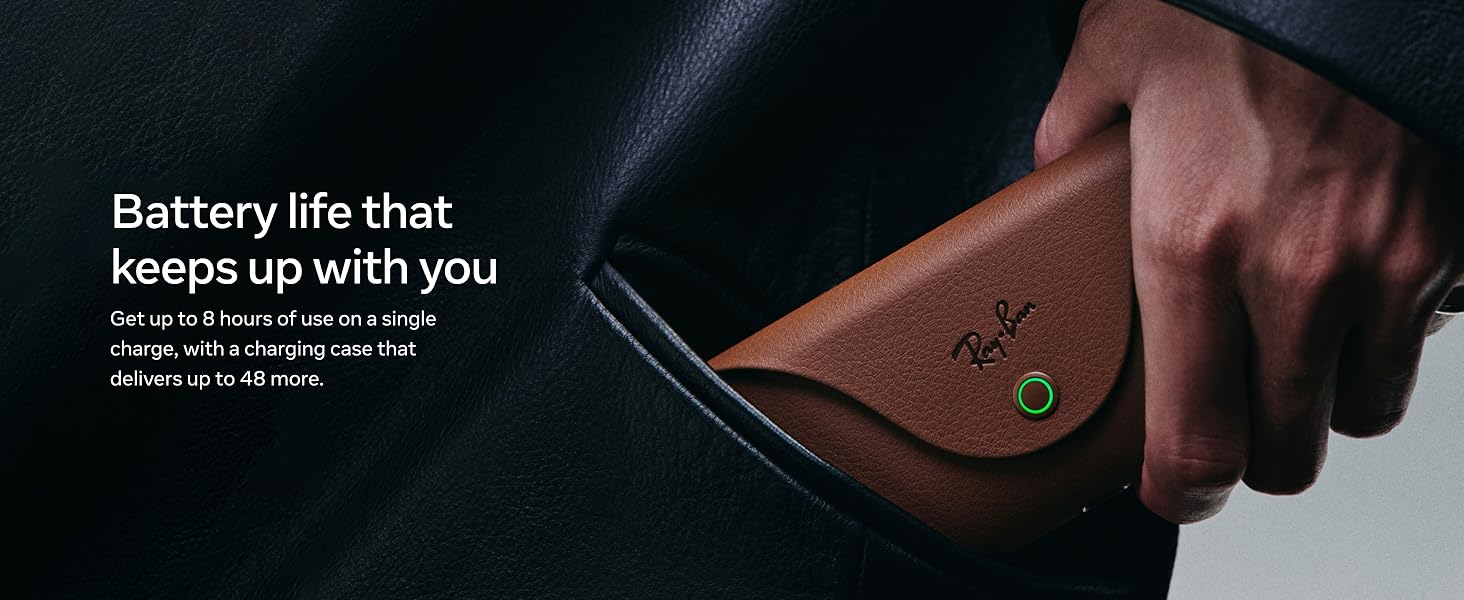
Battery life was the first thing I tested, because it’s the first thing that kills wearables. The advertised figure is up to 48 hours with the charging case factored in, and in practice, that number held up across a long weekend of mixed use. Continuous audio streaming in the office ate through the glasses’ internal charge in roughly four hours. But the case replenishes them multiple times before you’re reaching for a wall outlet, which means this is legitimately a travel-ready smart glasses setup without the anxiety of dying tech mid-trip.
“Smart glasses have always had the specs. This is the first pair that also had the nerve to look good.”
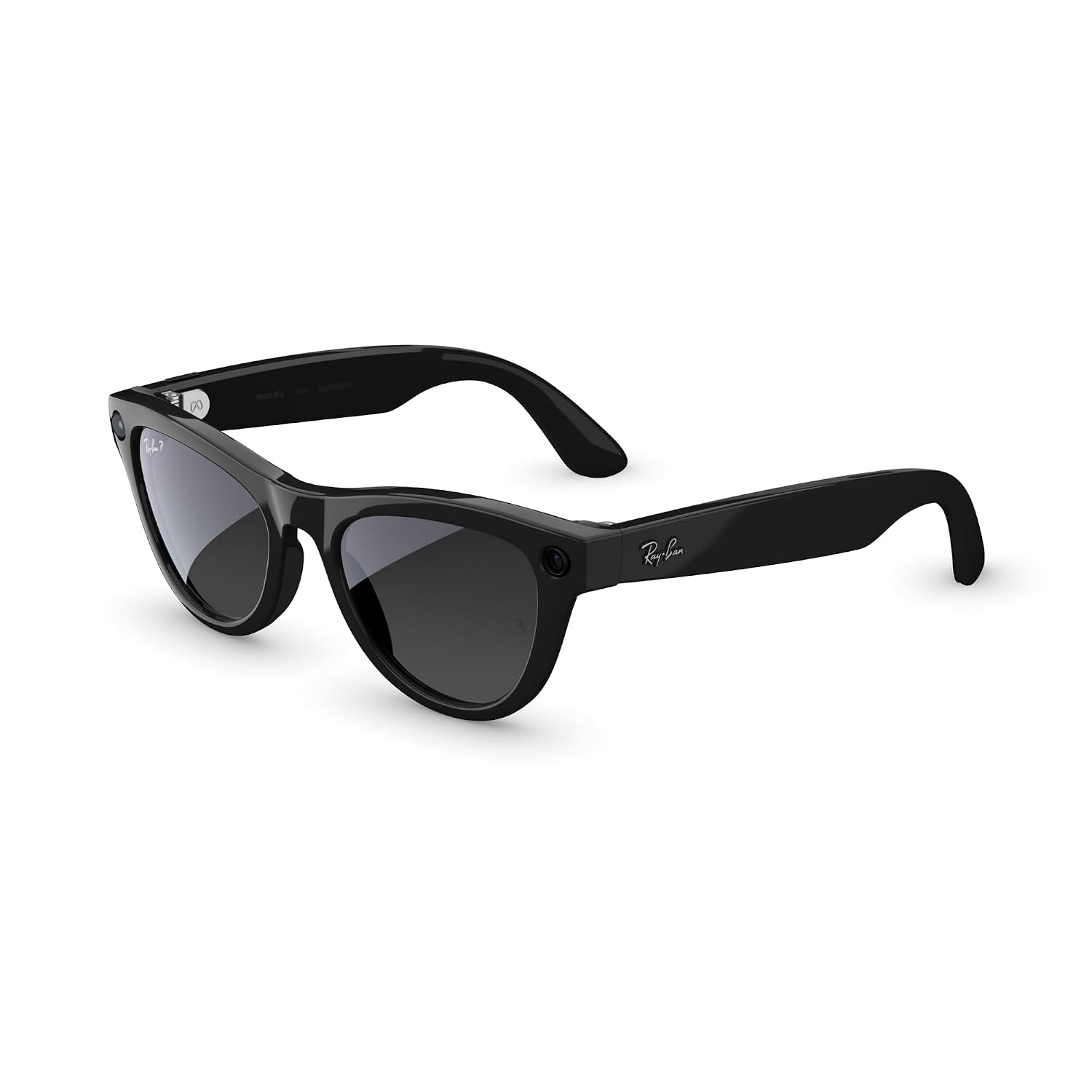
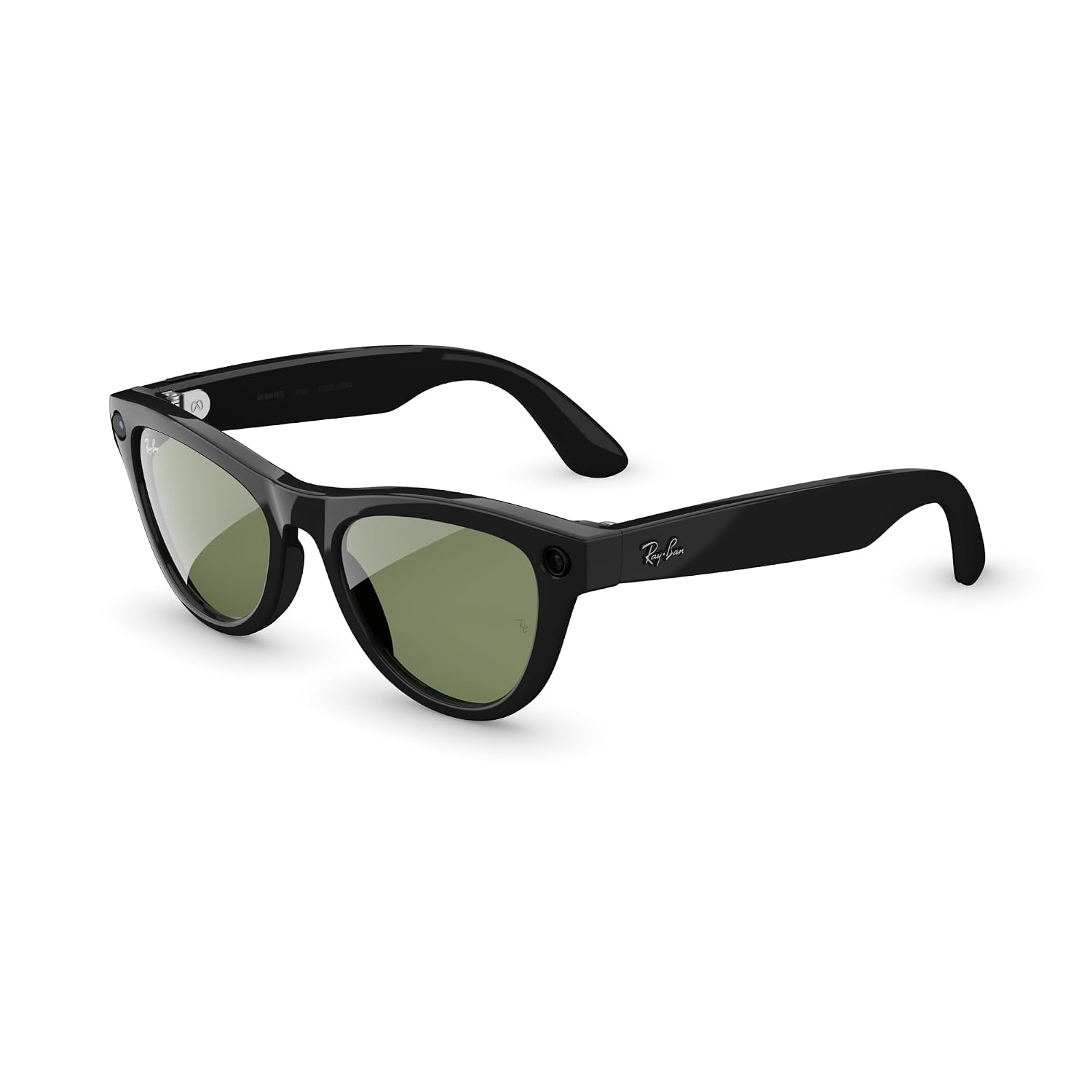
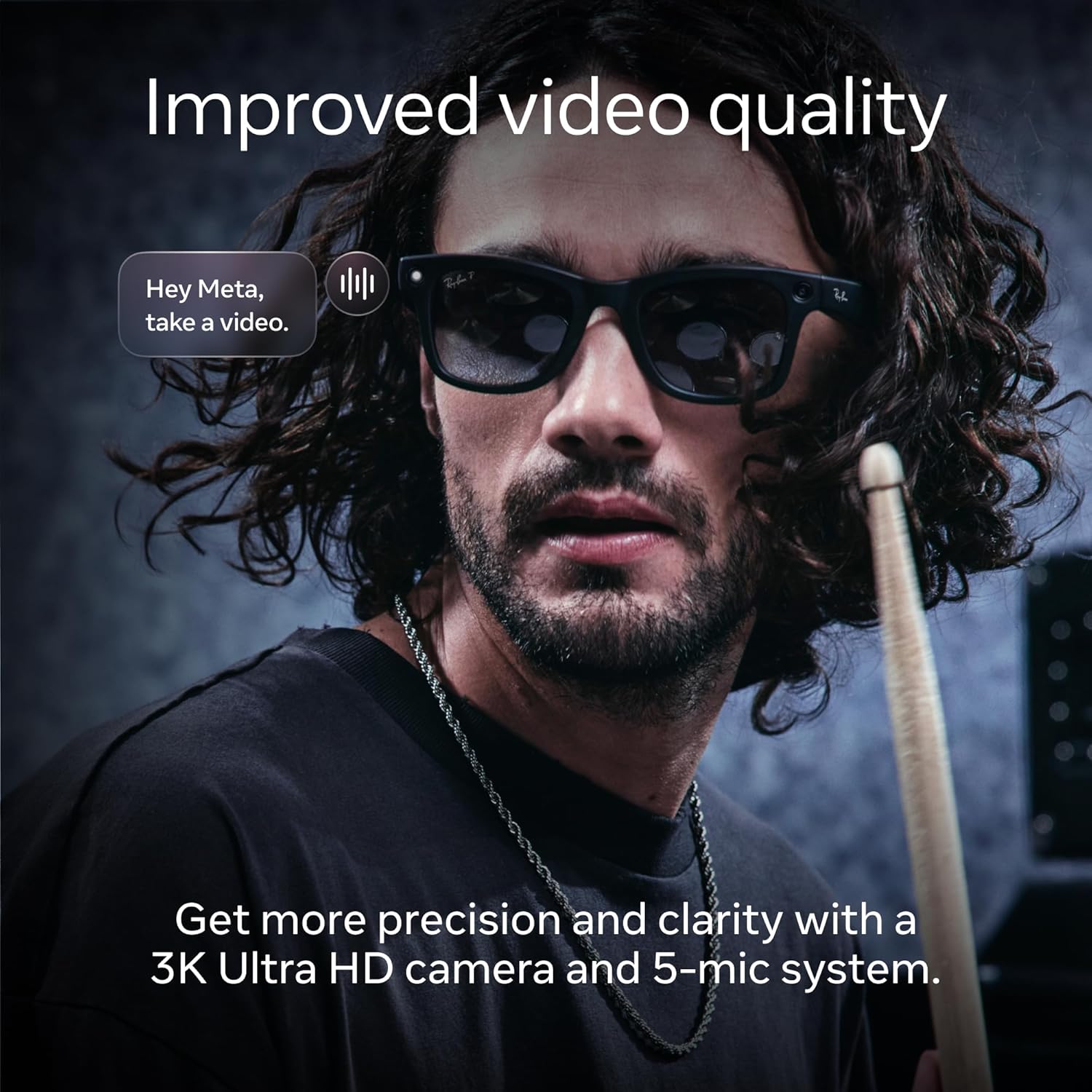
The 12MP camera captures stills and video with noticeably more detail than the first generation. The 3K video is smooth in good light and adequately usable in shade, though low-light performance indoors is the one place the sensor reminds you it’s embedded in a frame rather than a dedicated phone camera. Audio from the open-ear speakers is clear enough for calls and podcasts. It won’t replace over-ear cans for critical listening, but for a connected wearable pushing this kind of hardware density, the sound staging is impressive. The AI assistant responds with a tap-and-speak gesture that becomes instinctive inside of a week.
How I Actually Used It
Setup 1: Tuesday Standup, Standing Desk Chaos
My work from home setup involves two monitors, a standing mat, and the permanent ambient noise of a street-facing apartment. I wore the Skyler frames during every morning standup for two weeks. The open-ear audio meant I could hear my team through the glasses while still catching a delivery buzzer or a question from a roommate. No fumbling with AirPods. No cord. I kept my hands on the keyboard for notes. That particular freedom is hard to describe and easy to miss once you’ve had it. By day four, I’d stopped thinking about the glasses as glasses.
Setup 2: Red-Eye to Denver, Aisle Seat
A cross-country flight is the clearest stress test for any travel gadget, and the Meta Ray-Ban Gen 2 Skyler held its own. I boarded with the case charged, the lenses in their clear indoor state, and the AI assistant muted. At altitude, I used them to listen to a podcast for two hours before switching to a film on my phone. The Transitions® lenses darkened naturally against the window light, which meant I didn’t need to swap frames. I landed with power to spare. This is the best smart glasses option for frequent flyers I’ve tested at this tier.
Setup 3: Weekend Walk, Hands-Free Documentation
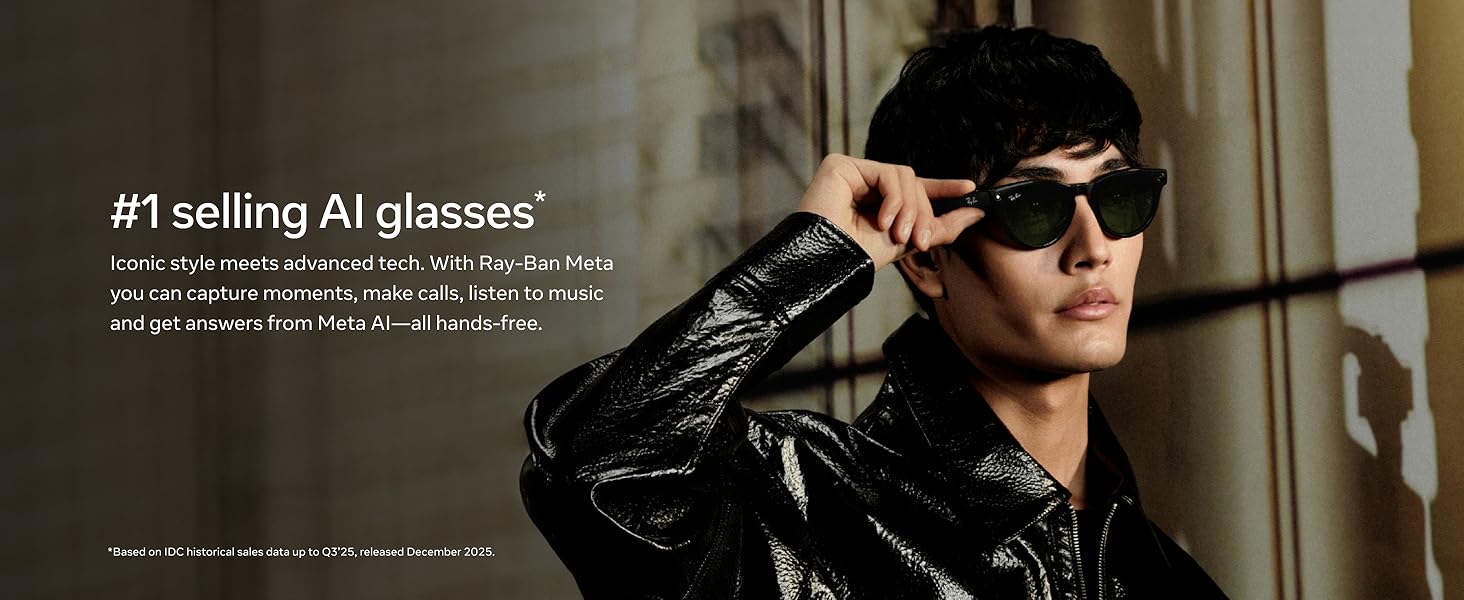
Saturday, farmers market, trying to capture the chaos without looking like I was filming everyone. A double-tap on the frame starts recording. Nobody noticed. The footage was stable, the color was honest rather than oversaturated, and the Shiny Mystic Violet frame got more compliments than questions about whether I was recording, which felt like a design win. For street photography or casual video documentation, the hands-free capture workflow is the feature that will actually change how you shoot.
What Other People Are Saying
With over 400 ratings sitting at a 4.3 average, the pattern that emerges is consistent: people love the form factor and the Transitions lens system, and a smaller contingent expected more from the camera in dim conditions. That’s a fair read. The camera is excellent for a glasses-mounted sensor. It is not excellent compared to your phone.
What strikes me reading through the feedback is how many reviewers mention wearing these as their only eyewear for days at a time. That’s the real endorsement. Nobody does that with a gadget they only half-trust.
Who Should Skip It
If your priority is audio isolation, these are the wrong tool. The open-ear design is a feature for situational awareness, but it’s a hard limitation if you commute through loud transit or work in a genuinely noisy environment. If you primarily need sunglasses and have no interest in camera or AI features, the value proposition evaporates. This is a smart glasses experience designed for active, connected people, not a premium passive frame with a tech badge on it.
Also worth saying: if you’re new to the Meta ecosystem and privacy-conscious about AI-assisted capture, spend an evening reading the data policies before buying. That’s not a knock on the hardware. It’s just an honest disclosure about what you’re opting into.
What It Replaces on My Desk
Before the Meta Ray-Ban Gen 2 Skyler, my everyday carry included a wireless charging pad surrounded by the clutter of three separate devices: sunglasses, earbuds in their case, and my phone face-up for quick AI queries. The Skyler collapsed two of those into one frame. I still carry my phone. But the earbuds case hasn’t left my desk drawer in three weeks, and my bag is measurably lighter because of it. That’s the kind of consolidation that actually changes a routine rather than just adding to it.
The pair of Ray-Ban Wayfarers I’d worn for three years is now my weekend backup. I don’t miss them the way I thought I would.

FAQ
What devices are compatible with the Meta Ray-Ban Gen 2?
The glasses pair via Bluetooth with both iOS and Android smartphones through the Meta View companion app. Setup takes under five minutes and doesn’t require a Meta account for basic audio and camera functions, though AI features do.
How long does the battery actually last in real use?
The glasses themselves last roughly four hours of continuous audio use or a full day of mixed wear. The charging case extends total life to the claimed 48-hour range, which in practice means three to four full charges before you need a wall outlet.
Can I wear these as my only pair of glasses or sunglasses?
The Transitions® Amethyst lenses adjust from clear to tinted based on UV exposure, which makes them genuinely functional indoors and out. For prescription wearers, you’d need to confirm lens customization options with the retailer, as the standard configuration is non-Rx.
Does the build quality match what you’d expect from a premium frame?
The aluminum construction and tempered glass lenses feel durable and considered rather than plastic-gadget fragile. The Shiny Mystic Violet finish shows fingerprints on the frame, but it hasn’t scratched or scuffed across extended wear, which is the test that matters more than a clean unboxing.
What’s the warranty situation?
Meta covers hardware defects with a standard one-year limited warranty. For wearables specifically, check that your retailer also offers a return window long enough to actually live with the product before committing, since fit and wearable comfort are impossible to assess in twenty minutes.
The Verdict
Three weeks from now, I’ll be at another airport, glasses on, hands free, not thinking about them. That’s the highest compliment I can give a piece of wearable tech: it disappears into the routine instead of demanding attention from it. The Meta Ray-Ban Gen 2 Skyler in Shiny Mystic Violet is the first smart glasses I’ve tested that I’d actually recommend to someone who isn’t already a gadget enthusiast. For people building a connected mobile tech lifestyle around their daily carry, or anyone looking for a work from home setup upgrade that reduces clutter instead of adding to it, these belong in the conversation. For travel specifically, the battery case and Transitions lens system solve real problems that a bag full of separate devices doesn’t.
If you’re exploring options before committing, our editor’s top tech picks include several wearable and phone camera alternatives worth comparing. And if you’re hunting for a thoughtful gift for someone who travels constantly or works remotely, these read well above their price point as a considered choice on our tech gift ideas guide. For deeper category context, Tom’s Guide’s wearable reviews and RTINGS’s audio and display benchmarks both offer useful technical comparisons if you want the numbers alongside the narrative.
The frame looks like a fashion accessory. The specs read like a serious camera. The battery behaves like a travel gadget that was actually designed for travel. Buy these if you want fewer things in your bag and a smarter version of the one thing on your face.
Every Angle
The product as photographed for Amazon — hero, angles, ports, detail.

As an Amazon Associate I earn from qualifying purchases.