AI Smart Glasses for Travel: Honest Review

I wore a pair of AI-powered smart glasses through a cross-country flight, two coffee shop edits, and a trail run, and somewhere along the way I stopped thinking of them as a gadget.
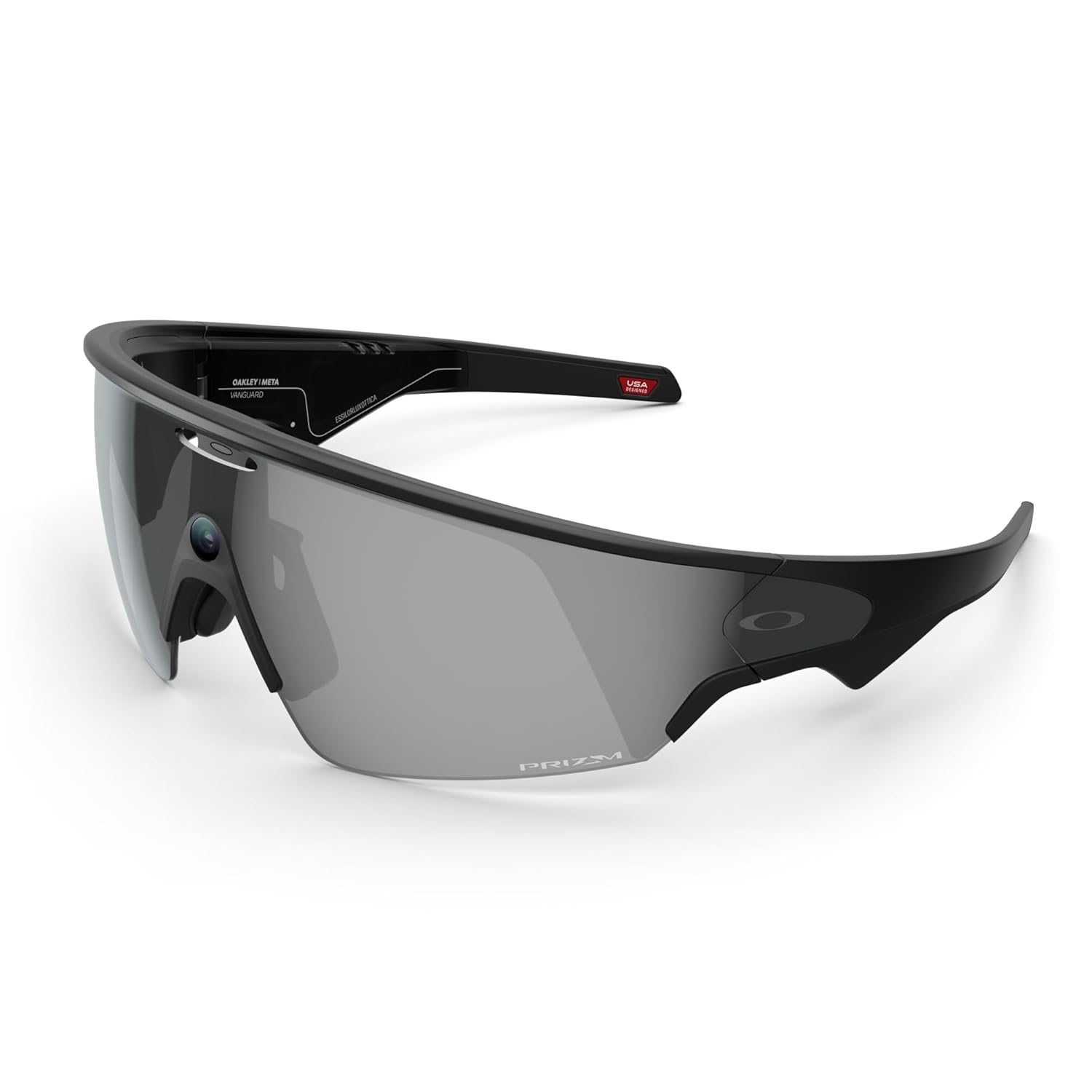
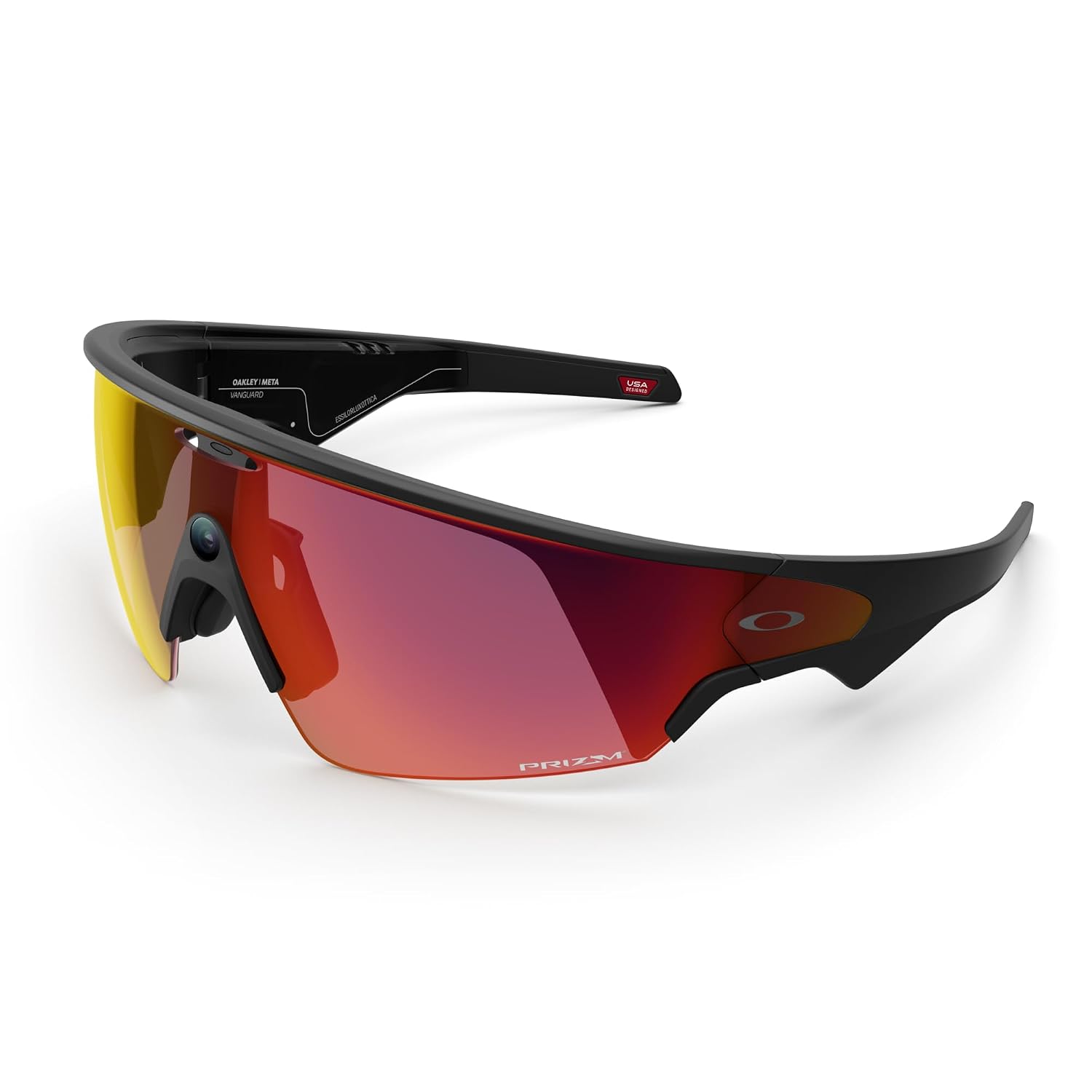
The first morning I wore the Meta Oakley Vanguard smart glasses out of the house, I almost forgot I had a camera on my face. That’s either the highest compliment I can pay a wearable, or a mild existential concern, depending on your perspective. I’d slid them on at 7:14 a.m., grabbed my coffee, stepped into aggressive Pacific Northwest drizzle, and by the time I reached the corner I was just, you know, wearing sunglasses. Matte black frame. Prizm 24K Black lenses catching the gray light. The weight sat right. No one on the street gave me a second look. That unremarkable morning commute turned out to be the most useful thirty minutes of testing I’d do all week, because it told me the thing I actually needed to know: these glasses disappear into your day in a way that very few wearables manage.

The First Time I Used It
I’d been loosely tracking the smart glasses category for about two years before the Meta Oakley Vanguard showed up on my desk. The Ray-Ban Meta collab had already proven the form factor wasn’t a joke, but I kept waiting for a version aimed at people who actually care about optics quality, not just the novelty of hands-free snaps. When Oakley’s name landed in the partnership announcement, I stopped scrolling. Prizm lens technology has been genuinely respected in the outdoor and athletic space for years. Pairing that with Meta’s AI stack felt like the first time someone had taken the idea seriously at both ends.
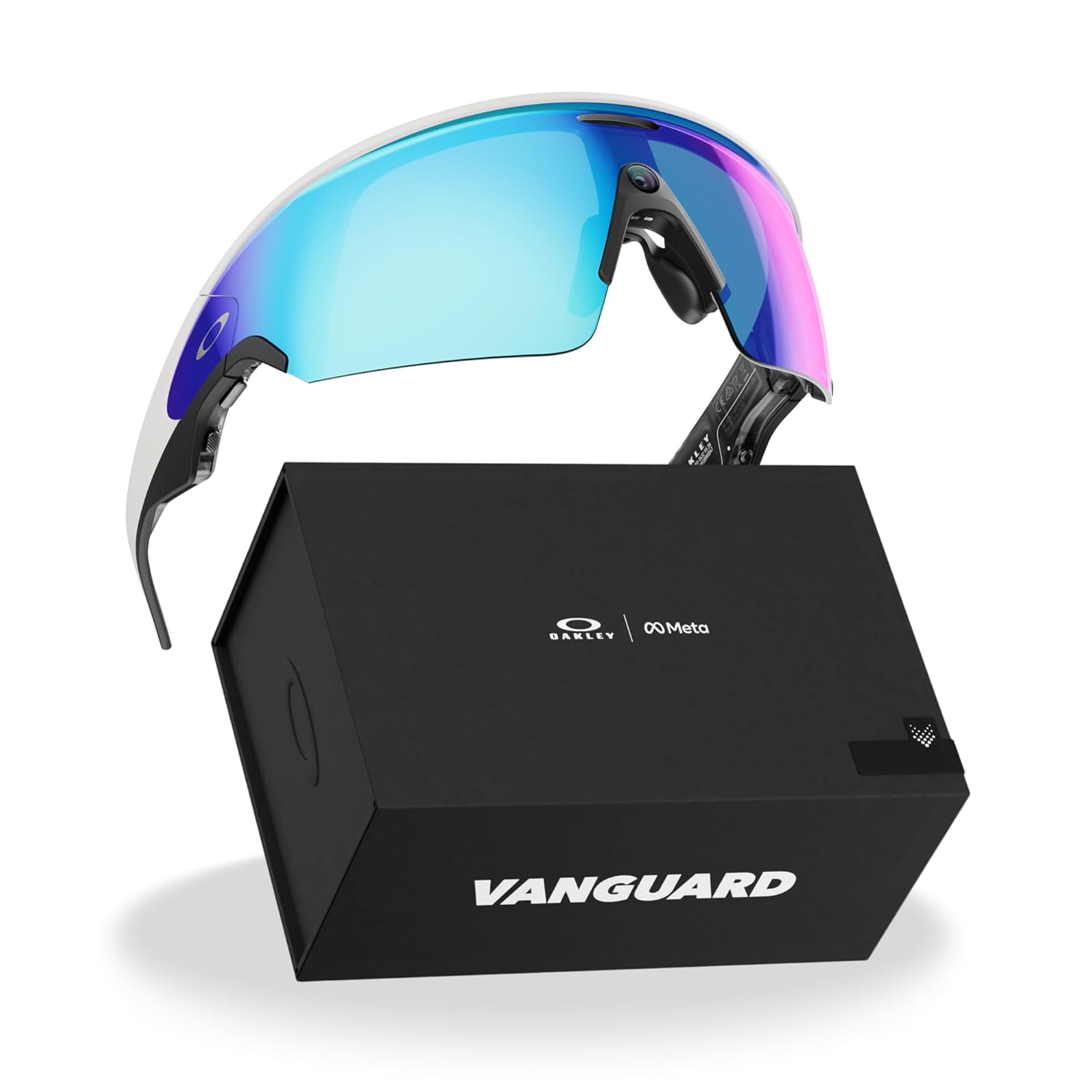
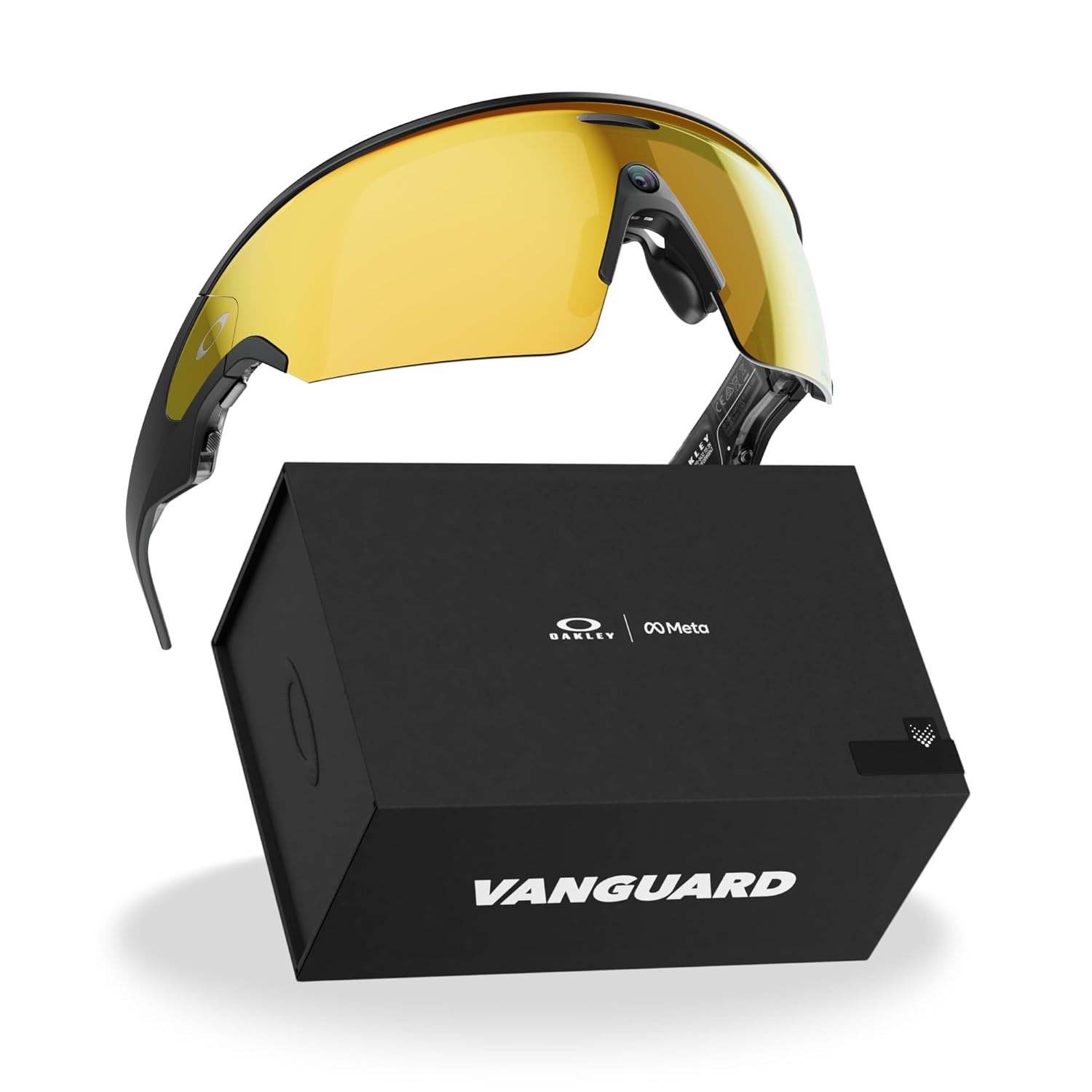
Unboxing was quiet and considered. The aluminum and plastic construction feels purposeful rather than plasticky, and the matte black finish photographs well but looks even better in person, especially once the Prizm lenses pick up ambient light. I pulled up the phone and mobile accessory guides I’d been referencing for context, paired the glasses to my Android in under three minutes, and went outside. The learning curve is basically nonexistent if you’ve ever used a Bluetooth earbud.
How It Actually Performs
Let’s start with the camera because that’s what everyone asks about. The footage is genuinely usable in good light, with steady framing that’s easier to achieve than you’d expect because your head is, it turns out, a remarkably stable gimbal. I shot a ten-minute walk along a waterfront trail on a bright afternoon, and the clips needed minimal editing before I could drop them into a reel. Low-light performance drops noticeably after dusk, which is not a surprise given the sensor size constraints of any frame-integrated camera, but it’s worth saying plainly. Audio capture, both for voice notes and ambient recording, is cleaner than I expected from open-air speakers built into arms this slim.
“The Prizm lenses alone are worth the conversation, but it’s the AI layer that changes how you actually move through a day.”
The AI functionality, accessed via a tap-and-hold interaction or a voice prompt, is where this stops feeling like a novelty accessory and starts feeling like a legitimate smart home upgrade for your face. You can ask questions, get real-time context layered over what you’re looking at, set reminders, and make calls without touching your phone. Is the AI always fast? No. On two separate occasions during busy network windows I waited longer than I’d like for a response. The Verge’s ongoing coverage of AI wearables has documented similar latency variables across the category, so this reads more as a network and infrastructure limitation than a hardware flaw, but it does puncture the seamless-experience story occasionally.
How I Actually Used It
Setup 1: Tuesday Edit Session, Coffee Shop Counter Seat
I’m a corner-seat, headphones-in person by default, but I ran an experiment where I swapped my over-ears for the Vanguard during a three-hour writing block. The open-ear audio is not isolation audio. It’s not supposed to be. What it does well is keep you ambient-aware while still piping in music at a volume that’s genuinely enjoyable for mid-tempo work playlists. I took two phone calls without picking up my phone. I used the voice assistant to set a timer and look up a fact I needed without breaking the writing flow. By the end of the session I’d developed a new working rhythm I didn’t expect from a travel gadget that started its life as sunglasses.
Setup 2: Five-Hour Flight, Window Seat, No Wi-Fi
Offline, the Meta Oakley Vanguard is still a solid pair of Oakley sunglasses with competent audio. That sounds reductive, but it matters on a plane: I wasn’t dependent on inflight Wi-Fi to get value from the hardware. I listened to a downloaded playlist the entire flight, recorded a short video log over the clouds that I was mildly proud of, and jotted voice memo drafts that synced as soon as we landed. The battery held across the full flight with a meaningful charge remaining, though I didn’t stress-test it beyond that continuous use. For anyone building out a travel gadget kit that doubles as daily eyewear, this pairing is harder to argue with than a separate camera, earbud, and glasses stack.
Setup 3: Trail Run, Overcast Morning
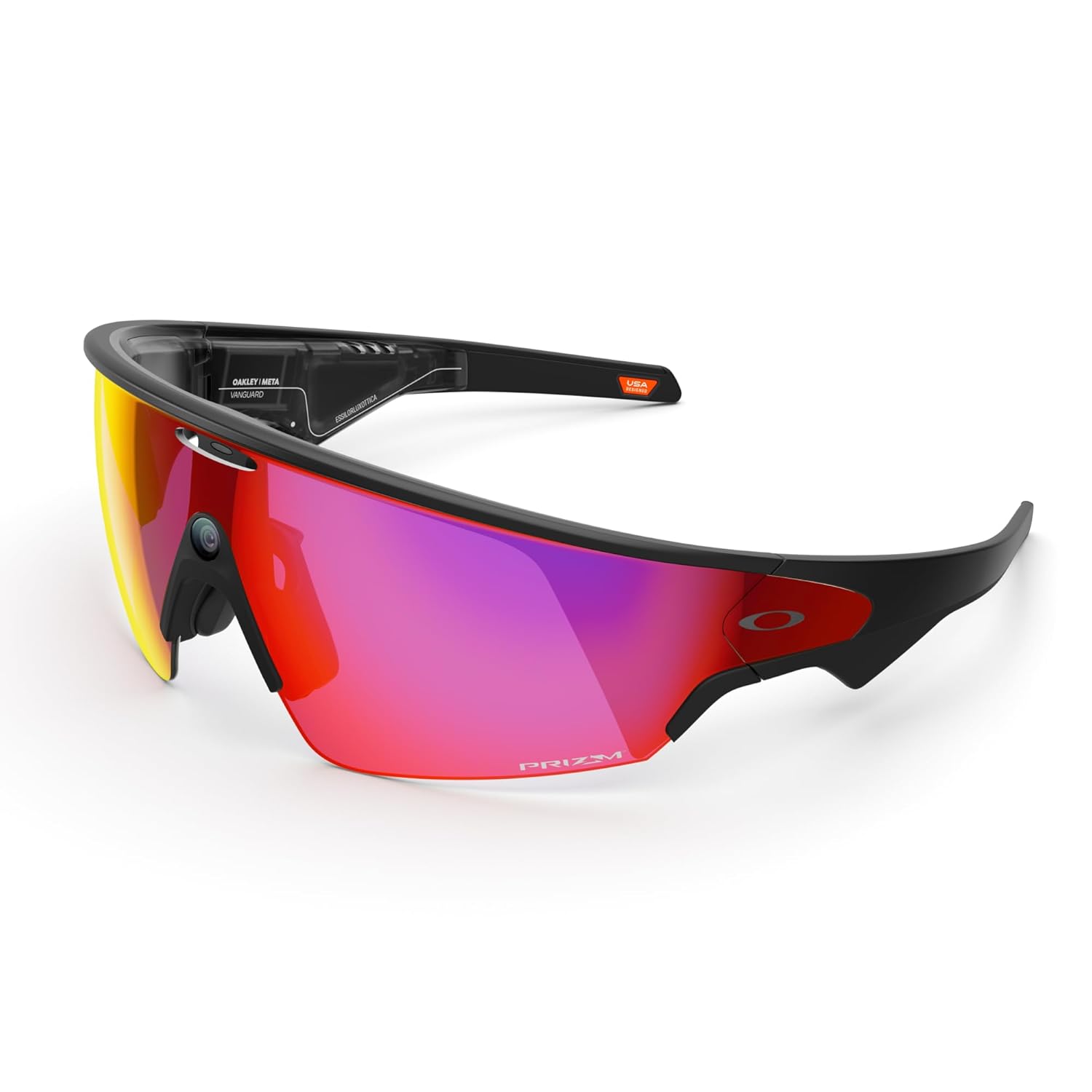
This is where the Oakley DNA earns its keep. The frame stayed planted through an hour of moderately technical trail running, no slippage, no adjustment stops. The Prizm 24K Black lenses handled the flat Pacific Northwest light better than most sport lenses I’ve tested at this tier, pulling contrast out of a scene that would have looked muddy through cheaper optics. I kept music going through the run via the open-ear speakers, which means I could also hear the trail. That tradeoff, situational awareness versus immersive audio, is actually the right one for outdoor athletic use. As a smart home upgrade to your active routine, this sits in a category that didn’t really exist two years ago.
What Other People Are Saying
The product currently holds a 4.4 rating across 231 reviews, which at this volume is a meaningful signal, not just launch-day enthusiasm from early adopters.
The pattern I’d draw from that score: people who came to this as Oakley fans are pleasantly surprised by the tech execution; people who came to this as Meta AI users are pleasantly surprised by the optics quality. Both camps are reporting fewer compromises than they expected. That bidirectional satisfaction is not common in hybrid hardware.
Who Should Skip It
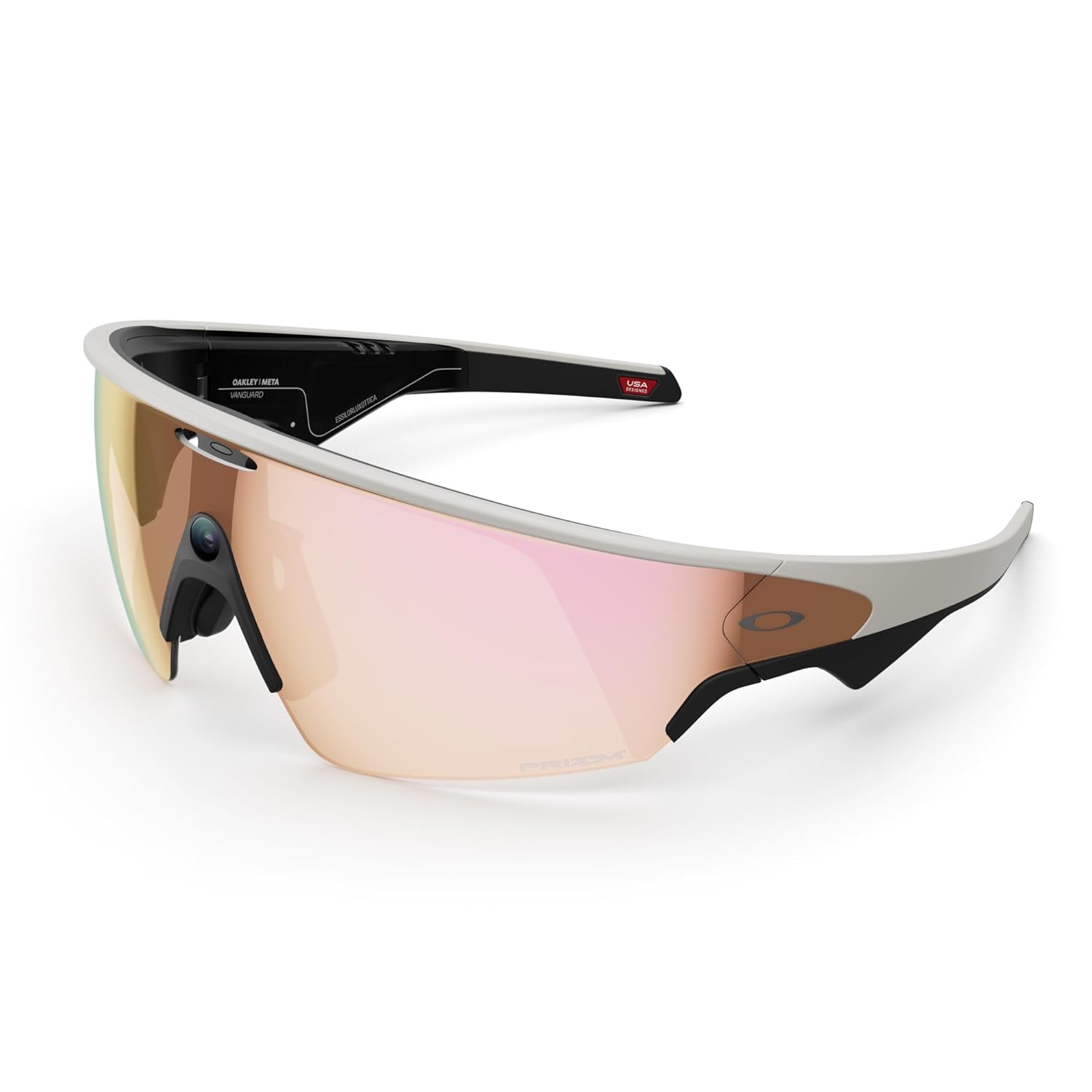
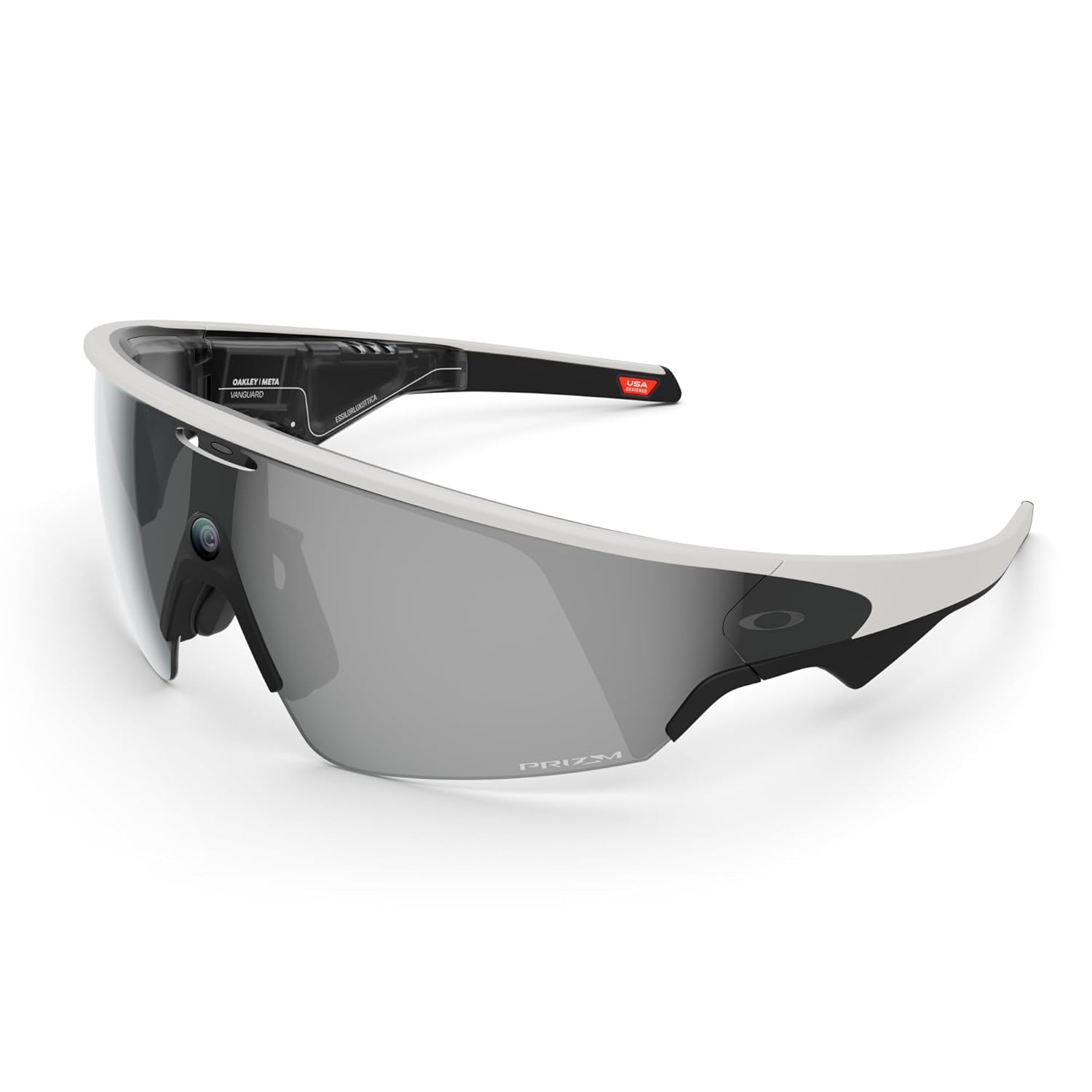
If your primary use case is immersive audio, this is the wrong tool. Open-ear sound is a philosophy, not just a spec, and if you need noise isolation for calls in loud environments or want reference-quality listening for critical music work, you’ll be frustrated. This is also not a discretely indoor wearable: the Prizm 24K Black lenses are dark and purpose-built for bright conditions. Wearing them in a dim conference room looks and feels odd. Anyone looking for the best smart glasses for indoor office use should look elsewhere in the category. And if you’re deeply skeptical of Meta’s data practices, that’s a legitimate factor to weigh before syncing your voice queries to their platform, full stop.
What It Replaces on My Desk
For travel days specifically, I used to leave the house with a separate action camera clipped to my bag, a pair of sport sunglasses, and wireless earbuds. That’s three items, three charging cycles, three things to forget at the hotel. The Vanguard collapses those into one, and the version it collapses them into is better-looking than any of the three individual options were. For the right buyer, this pairs naturally with whatever mobile camera lens setup you’re already running for your phone, since the glasses handle spontaneous, hands-free capture while your phone rig handles intentional, composed shots. I haven’t reached for the action camera since. I’ve missed it once.
You can explore our editor’s top tech picks if you want a broader view of what’s currently earning desk space, or check the tech gift ideas guide if this is for someone else’s bag. For those building out a full mobile setup, our phone case roundup and mobile accessories archive both have context that pairs well with a wearable like this.
FAQ
What devices are these compatible with?
The Meta Oakley Vanguard works with both iOS and Android via the Meta View companion app. Setup is Bluetooth-based and takes a few minutes on either platform.
How is the battery life in real daily use?
In mixed daily use, which included music playback, occasional AI queries, and a few short video clips, I consistently got through a full working day on a charge. Extended continuous playback will shorten that window, and the case provides additional charges between wall top-ups.
Can you use these as regular sunglasses without activating the tech features?
Yes. The Prizm 24K Black lenses function exactly as premium Oakley optics whether the tech is active or not. You can wear them on a run without pairing to your phone and they work as a standard pair of performance sunglasses.
Does the build quality match what you’d expect at this price point?
The aluminum and plastic construction reads above what you’d expect from a hybrid tech wearable. The finish is consistent, the hinge action is firm without being stiff, and the Oakley-quality optics are not a marketing footnote. For what you’re paying, the material execution is one of the stronger arguments for this over competing smart glasses.
What’s the warranty situation?
Meta typically backs their wearable hardware with a one-year limited warranty, and Oakley’s frame quality expectations apply here as well. Check current terms through the Meta Store at time of purchase, as coverage details can update with firmware and product revisions.


The Verdict
Three weeks after I first wore these to the coffee shop, I packed for a long weekend trip and didn’t think twice about which bag slot to put them in. They went in the same place my sunglasses always go. That reflexive, unconsidered grab is the real review. The Meta Oakley Vanguard doesn’t ask you to change your habits to accommodate a new gadget, it just quietly improves the habits you already have. The AI layer is genuinely useful when the network cooperates, the Prizm optics are legitimately premium, and the form factor is the least self-conscious smart hardware I’ve put on my face. The caveats are real: limited indoor utility, network-dependent AI performance, open-ear audio that won’t satisfy isolation seekers. You can dig deeper into the current wearable audio landscape or check Engadget’s latest wearable reviews if you want to stress-test this against the full competitive field. But if you are someone who already carries Oakleys, already uses a phone assistant, and already wishes your earbuds weren’t a separate thing to remember, the value reads above what you’d expect and the overlap with your existing life is immediate. The best smart glasses for active everyday use are finally the ones worth actually wearing.
Every Angle
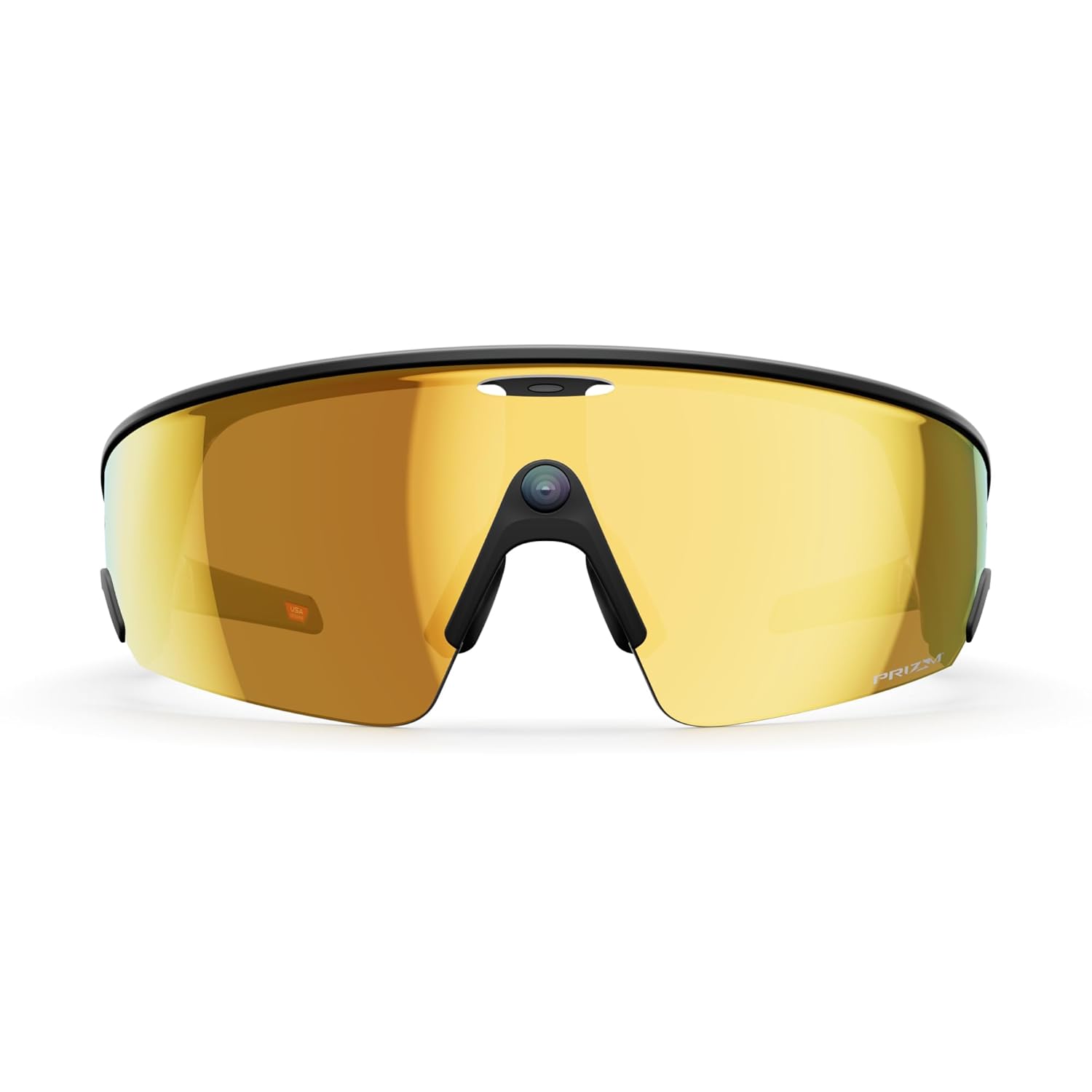
The product as photographed for Amazon — hero, angles, ports, detail.


As an Amazon Associate I earn from qualifying purchases.