AI Smart Glasses for Travel: Honest Review After 4 Weeks

Six weeks ago I wore a pair of glasses to a farmers market, filmed three strangers’ dogs without touching my phone, and came home with footage sharp enough to embarrass most action cameras.
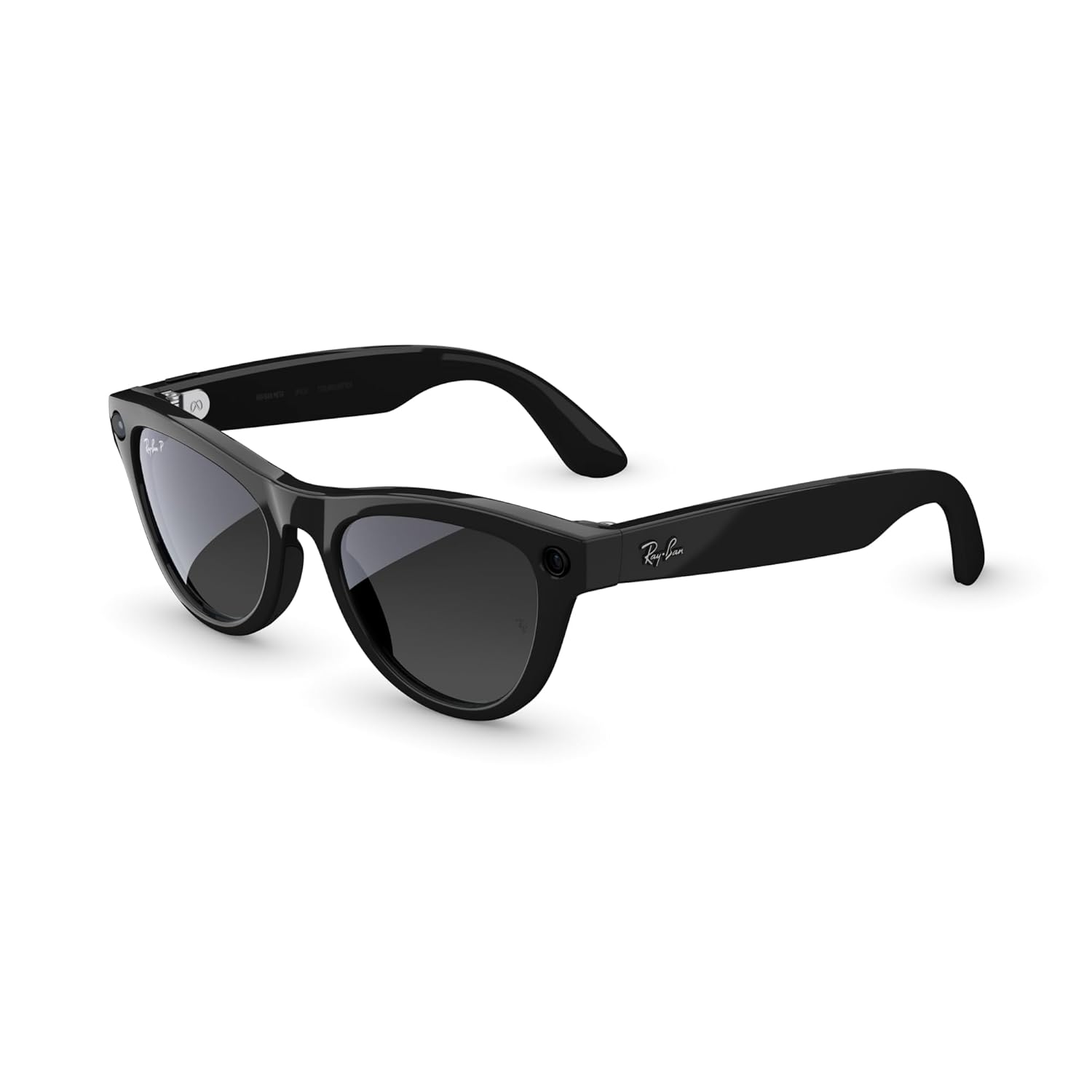
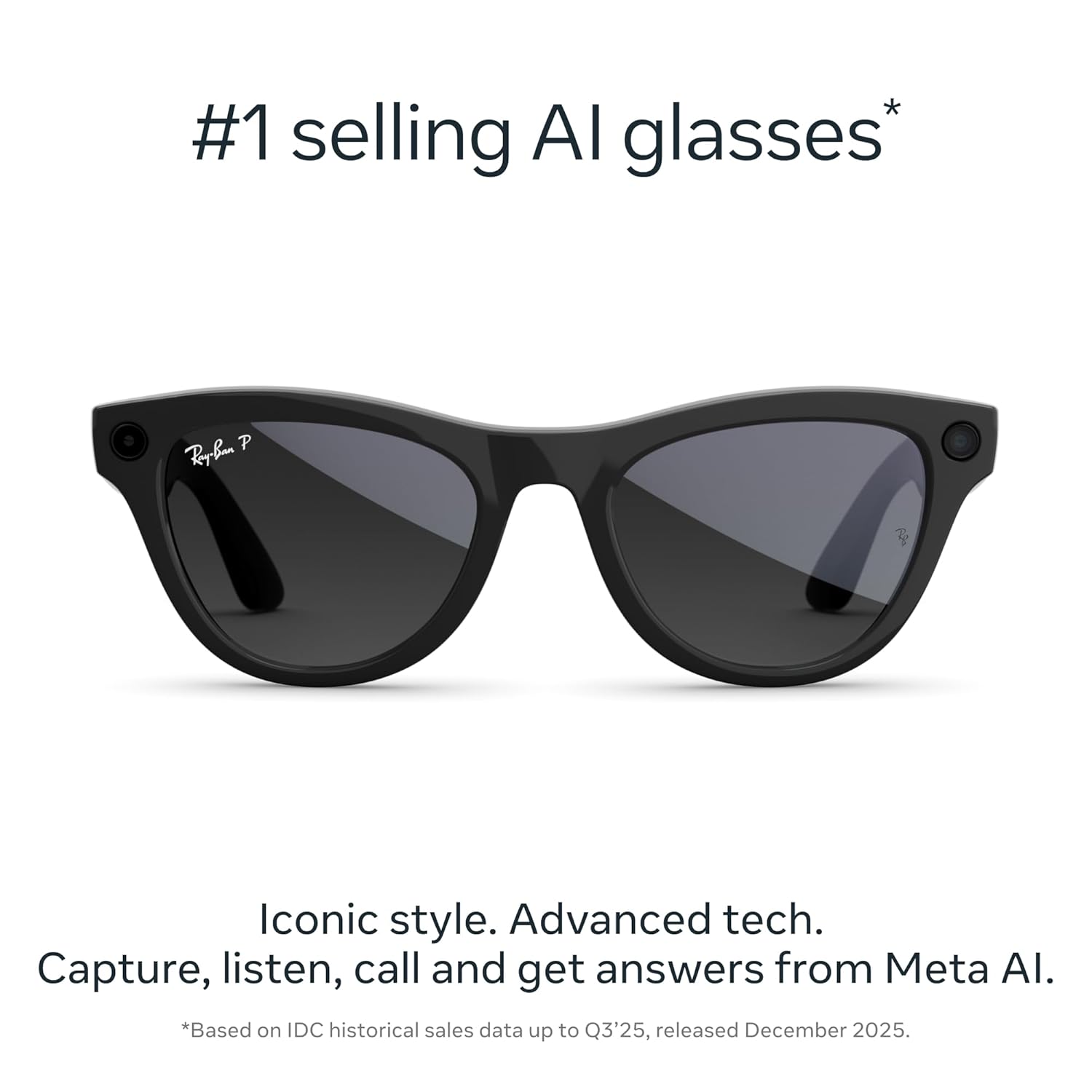
The light was doing that particular Saturday thing, all golden and sideways, when I first wore the Meta Ray-Ban Gen 2 Skyler in Shiny Black out of the house. I’d been skeptical. Smart glasses have a long and mostly embarrassing history, and I didn’t want to be the person at the bread loaf stand wearing a computer on my face. But the Skyler frame felt like a normal pair of sunglasses. The shiny black finish caught the sun. The polarized gradient graphite lenses cut the glare the way a good pair of polarized lenses should. Nobody looked at me twice. That was, I realized about ninety minutes in, the whole point.

The First Time I Used It
I’d been browsing our editor’s curated tech recommendations for something that could replace the camera-phone-in-hand habit I’d developed during travel. The habit where you’re supposedly present but actually half-inside a screen. A colleague dropped the Meta Ray-Ban Skyler into a group chat and I bought it mostly on a dare. The shiny black frame in the product photo looked plausibly like sunglasses a person might actually own, which is a bar that earlier smart glasses famously failed to clear.
When the box arrived I did what I always do: I ignored the instructions. The setup was intuitive enough that this worked fine. Within about eight minutes I was paired, charged, and walking around my apartment talking to an AI assistant embedded in my glasses like it was completely normal. It was not completely normal. But it also wasn’t ridiculous, and that surprised me.
How It Actually Performs
The 12MP ultra-wide camera is the headline feature and it delivers more than the spec sheet implies. The 3K Ultra HD resolution captures detail that I genuinely did not expect from a frame this thin. I shot footage at a coastal overlook on a windy afternoon and the footage was stable, sharp at the edges, and picked up color gradation in the water that my phone’s camera flattened into generic blue. The audio capture is similarly impressive for the form factor, with open-ear speakers that produce clear, full-sounding playback without leaking into every conversation around you.
“These are the first smart glasses I’ve worn where the ‘smart’ part didn’t make me apologize for the ‘glasses’ part.”
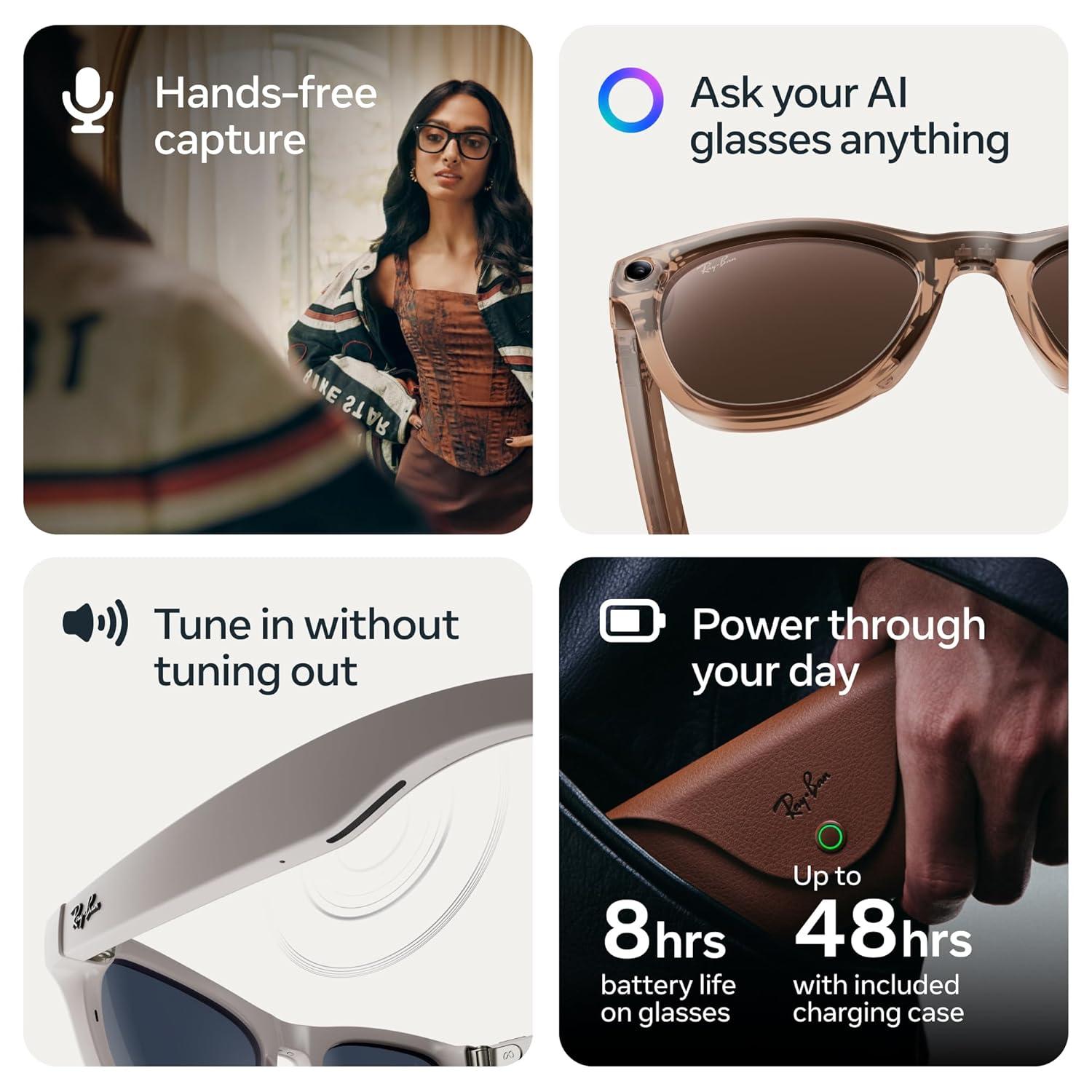
Battery life is rated at up to 12 hours, and in my testing across six weeks of mixed use, I landed somewhere between nine and eleven hours depending on how aggressively I was recording. That’s a meaningful leap over the previous generation, and it covers a full travel day without anxiety. The one honest caveat: continuous video recording drains the battery faster than casual AI queries, so if you’re planning to document an entire hike in 3K, pack the charging case. According to The Verge’s coverage of wearable tech trends, extended battery life is consistently the number one complaint from early smart glasses adopters, and Meta’s engineering team clearly read those comments.


How I Actually Used It
Setup 1: Tuesday Standup, Caffeinated Chaos
My home office doubles as a living space that never quite got the memo about being a professional backdrop. I started wearing the Skyler during early morning calls, not to record anyone but to use the open-ear audio while keeping my hands free. The speakers sit just in front of the ears and project sound inward in a way that feels personal without being isolating. I could hear my team, hear my dog’s nails on the hardwood, and grab a coffee mug with both hands. As a work from home setup upgrade it quietly solved a thing I hadn’t named as a problem. The AI assistant integration let me ask quick questions without switching apps, and the hands-free workflow made my desk feel less like a cockpit.
Setup 2: Travel Day, Airport to Hotel
The real test for any travel gadget is whether it survives the indignity of modern air travel. I wore the Skyler through two airports and a four-hour flight and arrived with the glasses still holding charge, no scratches on the shiny black frame, and a handful of candid terminal shots I’d taken by tapping the frame once. The polarized gradient graphite lenses handled the weird fluorescent-to-bright-window light transitions better than most sunglasses I’ve paid more for. This is where the extended battery life starts to feel like a genuine design choice rather than a spec-sheet boast. For anyone looking for the best smart glasses for travel, this is currently the most credible option in the category.
Setup 3: Evening Walk, Hands Completely Free
This is where the Skyler became less gadget and more habit. I started leaving my phone in my jacket pocket on evening walks, using the glasses for music, for the occasional photo of something worth keeping, and for quick AI queries that would have otherwise required me to stop, unlock, tap. The footage I captured on these walks has a particular quality I’ve started to appreciate: it’s first-person in a way that phone footage never quite manages. The camera angle is your actual eyeline. What you saw is what it recorded. That sounds simple. It’s more interesting than it sounds.
What Other People Are Saying
The Meta Ray-Ban Gen 2 Skyler review landscape is still forming, but the 4.3-star average across more than 400 ratings lines up with my experience in a specific way: the high scores come from people who kept wearing them, and the lower scores come from people who expected something different from the category. Sites like RTINGS, which applies rigorous real-world testing standards, and Tom’s Guide’s gadget review team have both noted the camera quality jump from the previous generation as the clearest differentiator.
The emerging consensus seems to be: if you come in expecting these to replace your camera, you’ll be pleasantly surprised. If you come in expecting them to replace your phone entirely, you’ll recalibrate. Both outcomes feel accurate to me.
Who Should Skip It
If you primarily want noise cancellation or premium audiophile sound, these aren’t built for that. The open-ear design is a feature for situational awareness, but it’s a limitation for focused listening in loud environments. If you’re committed to a specific non-standard frame prescription and need lens customization, the options are more limited than a traditional optical frame. Privacy-conscious buyers should think carefully about the always-available camera and what it means for the people around them, not just themselves. And if your use case is purely indoor photography in low light, the 12MP camera is excellent in good light and noticeably softer once the sun goes down.
What It Replaces on My Desk
I retired a pair of Bluetooth sunglasses that I liked well enough but that had the audio quality of a speakerphone left in a coat pocket. Gone. I’ve also used these to replace the habit of wearing earbuds during outdoor walks, which means I can have a conversation without the performance of unplugging myself first. More quietly, the Skyler replaced about thirty minutes of daily phone-checking by giving me quick-query access without the scroll trap. That’s the replacement I didn’t see coming: not a device swap, but a behavioral one. If you want to see how this fits into a broader connected lifestyle, our coverage of smart camera wearables and capture devices and the growing smart ambient tech category gives some useful context for where this product sits.
FAQ
What devices are the Meta Ray-Ban Gen 2 compatible with?
The glasses work with both iOS and Android via the Meta View app. The pairing process is Bluetooth-based and, in my experience, consistent across both platforms.
How long does the battery actually last in daily use?
The rated 12-hour figure is achievable in mixed-use conditions. Heavy video recording will pull that closer to eight or nine hours, but for audio and AI queries alone, twelve hours is realistic.
Can I use these as my primary sunglasses?
Yes, and this is actually where they shine. The polarized gradient graphite lenses are optically solid and the Skyler frame is designed well enough to wear without self-consciousness. They function as regular sunglasses when you’re not using any smart features.
Does the build quality match what you’d expect from a premium wearable?
The aluminum and polycarbonate construction feels considered rather than cheap, and the shiny black finish has held up without scratching through six weeks of daily carry. The hinge action has the kind of solidity you notice when you’re used to flimsier frames. For what you’re paying, the value reads above what you’d expect from the form factor alone.
What’s the return and warranty situation?
Meta offers a standard one-year limited warranty covering manufacturing defects. Return windows vary by retailer, so check the specific seller’s policy at purchase. If you’re comparing warranty terms across categories, our gift and gear guide includes notes on retailer coverage for several comparable devices.
The Verdict
Six weeks from that farmers market Saturday, I reach for the Meta Ray-Ban Gen 2 Skyler the same way I reach for my keys. They’re part of the leaving-the-house stack now. That’s the clearest thing I can tell you about whether a wearable worked: it either earns a spot in the routine or it doesn’t. This one did. The 3K Ultra HD camera and extended battery life are the two specs that actually translate into daily behavior change, and the AI assistant integration is more useful than I expected and less intrusive than I feared. The shiny black Skyler frame passes the sunglasses test, which is the most important test a pair of smart glasses can take. For the broader wearable gadget conversation, these represent the point where smart glasses stopped being a prototype category and started being a product. For anyone building out a connected smart home and personal tech ecosystem, or looking for a review-backed travel companion that actually fits the way you travel, the Skyler belongs on the shortlist. At this price point, given the build quality and what the camera actually delivers, the value is straightforward. The Meta Ray-Ban Gen 2 Skyler is the first pair of smart glasses I’d recommend without a list of caveats longer than the recommendation itself.
Every Angle
The product as photographed for Amazon — hero, angles, ports, detail.

As an Amazon Associate I earn from qualifying purchases.