AI Smart Glasses for Travel: Honest Review

I wore a pair of AI-powered sunglasses through a weekend in Miami and kept forgetting they were recording everything — which is either a design triumph or the beginning of something worth thinking harder about.
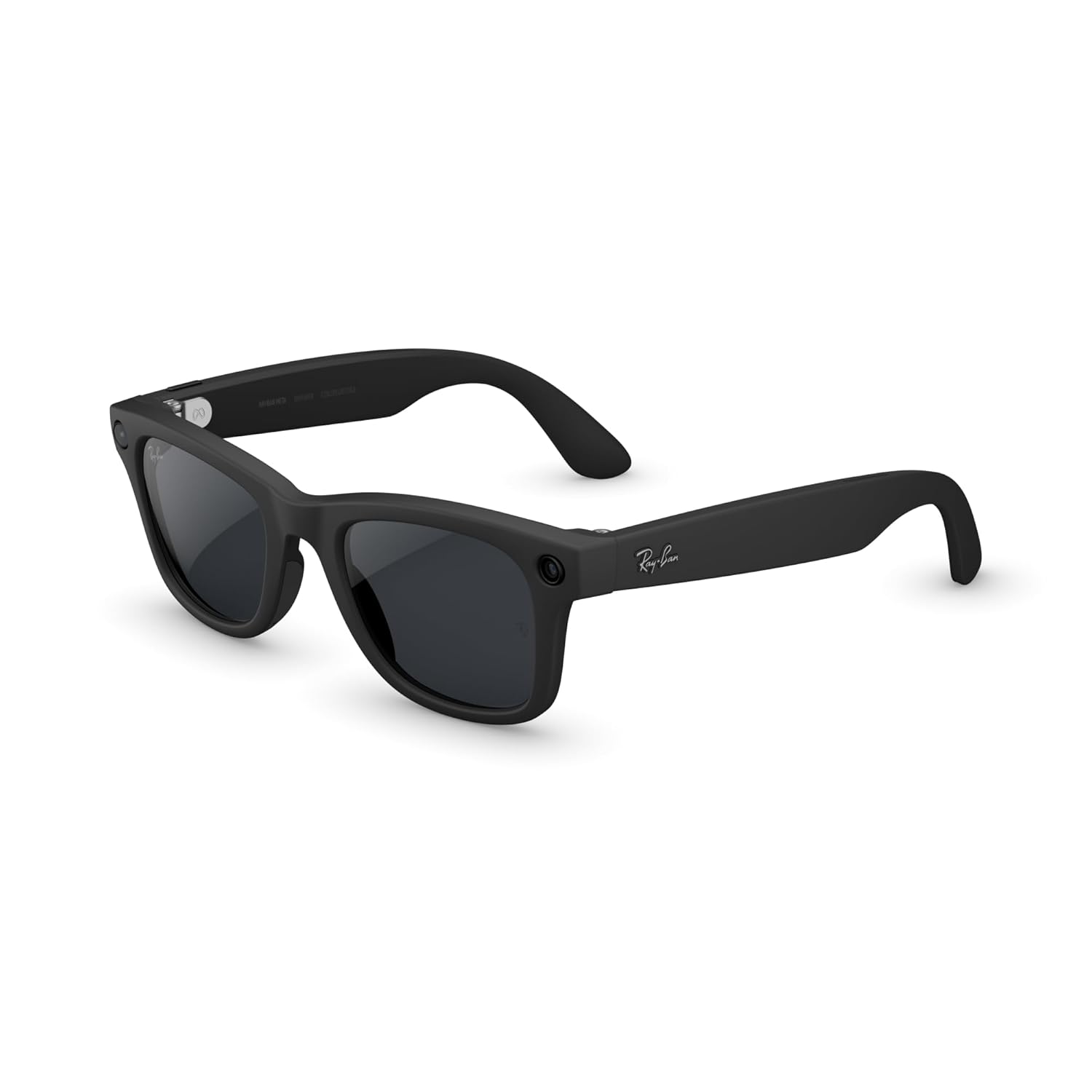
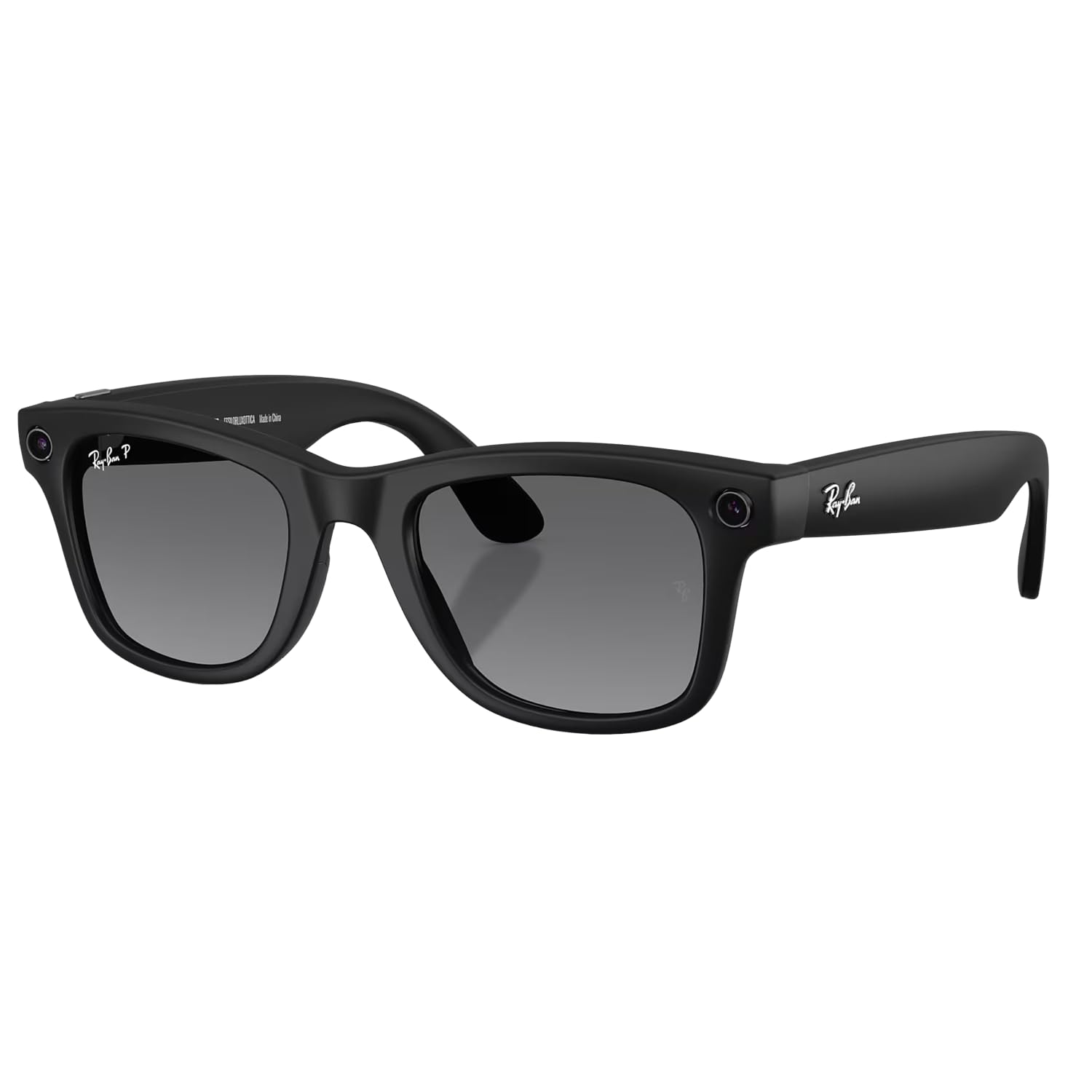
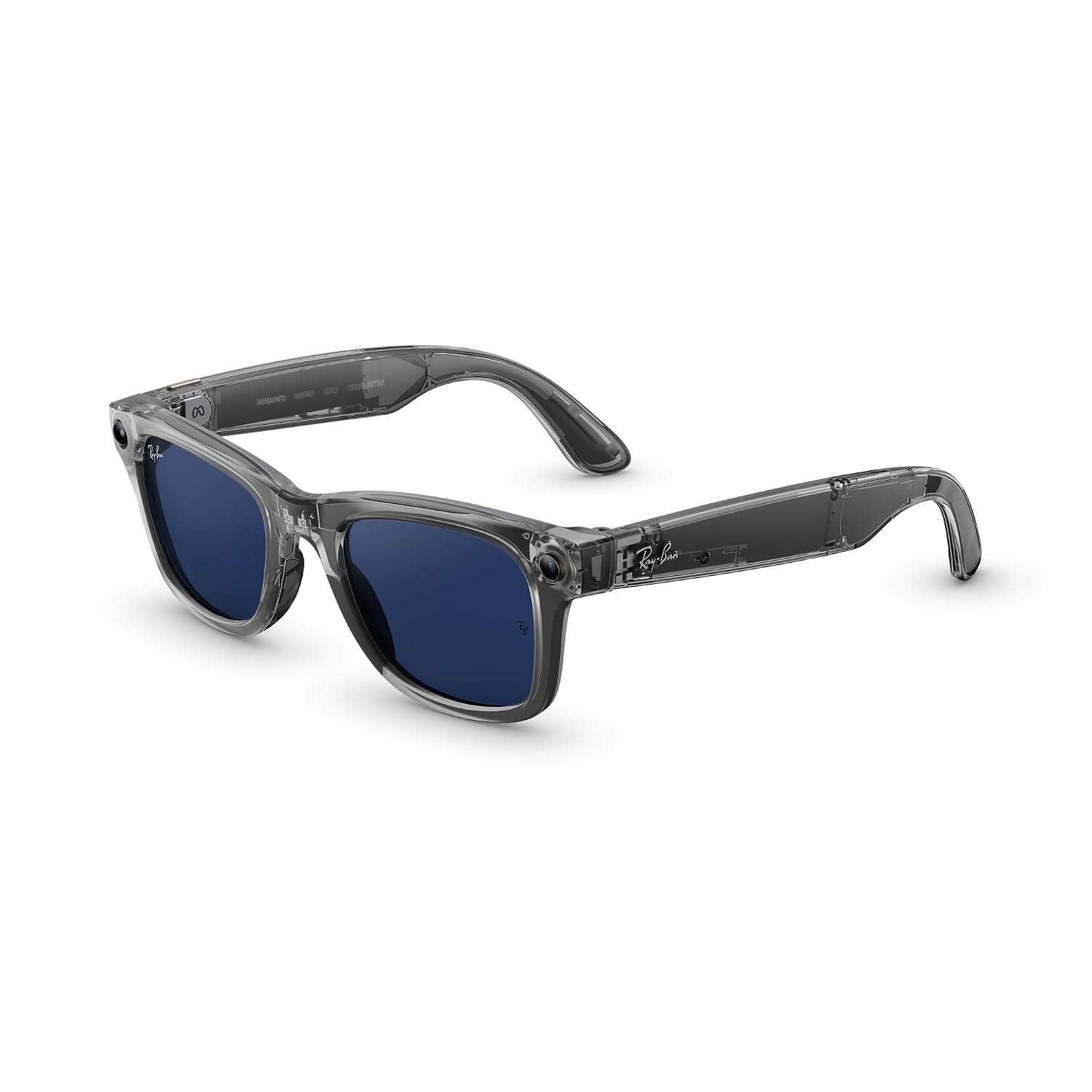
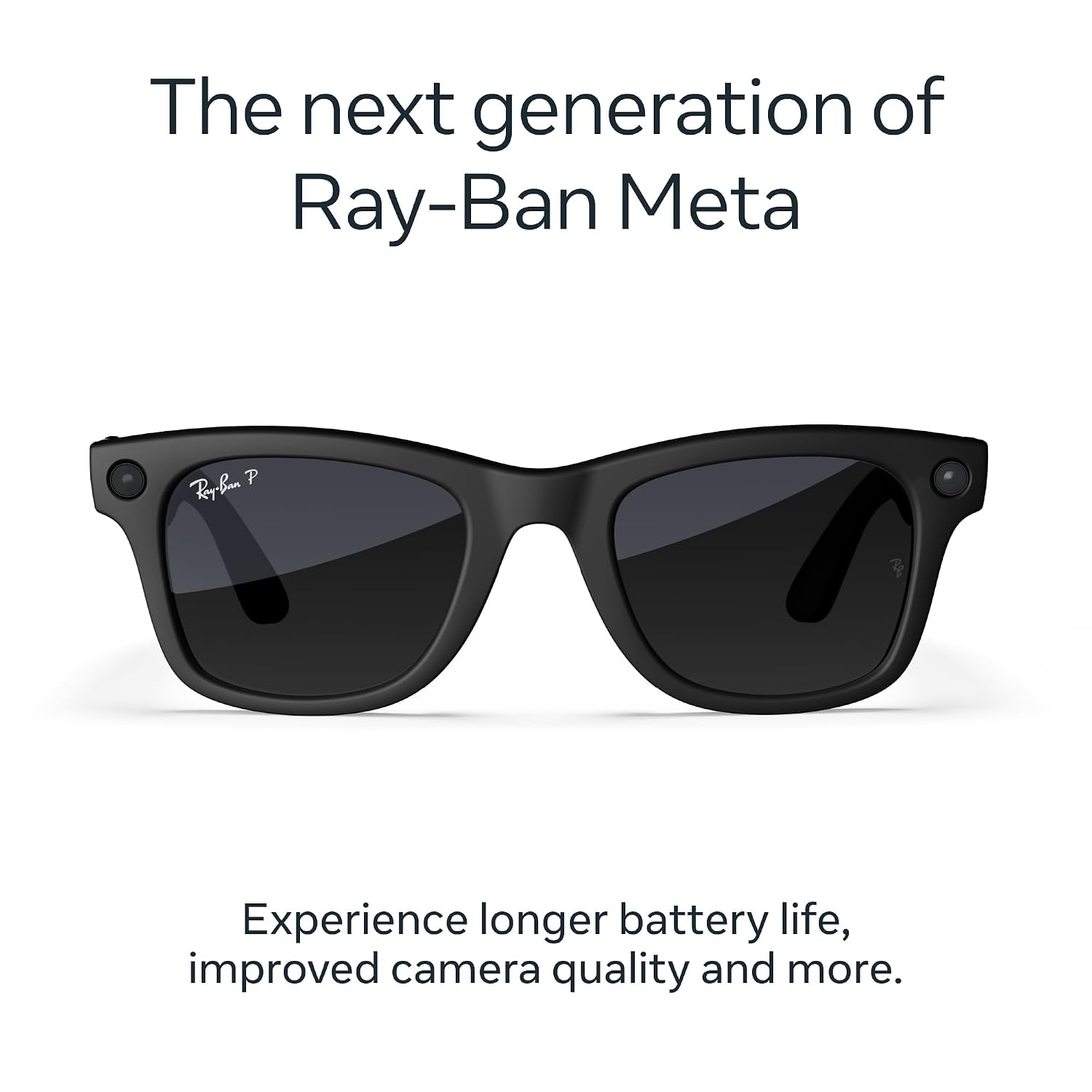
The flight attendant asked where I got my sunglasses. Not what they did, not whether they were smart — just where I got them. That’s the thing about the Meta Ray-Ban Gen 2 in Matte Black. They look like a pair of classic Wayfarers you’d grab off a rack at a beachside shop. They sit on your face with the same satisfying weight of real acetate frames. The polarized gradient graphite lenses go warm amber at the edges and darker at the center, and in the Miami afternoon light, they look genuinely good. Nothing about them screams “tech product.” That invisibility is almost the whole point.
The First Time I Used It
I’d been half-watching the smart glasses category for about two years, mostly skeptical. The original Ray-Ban Stories had the right idea but battery life that made them feel more like a prototype than a product. When Meta announced the Gen 2 with doubled battery life and a 12MP camera upgrade, I stopped scrolling. The specs sheet started to look less like a promise and more like something that might actually survive a full day out. I ordered them before I’d fully talked myself into it, which is usually how the interesting reviews happen.
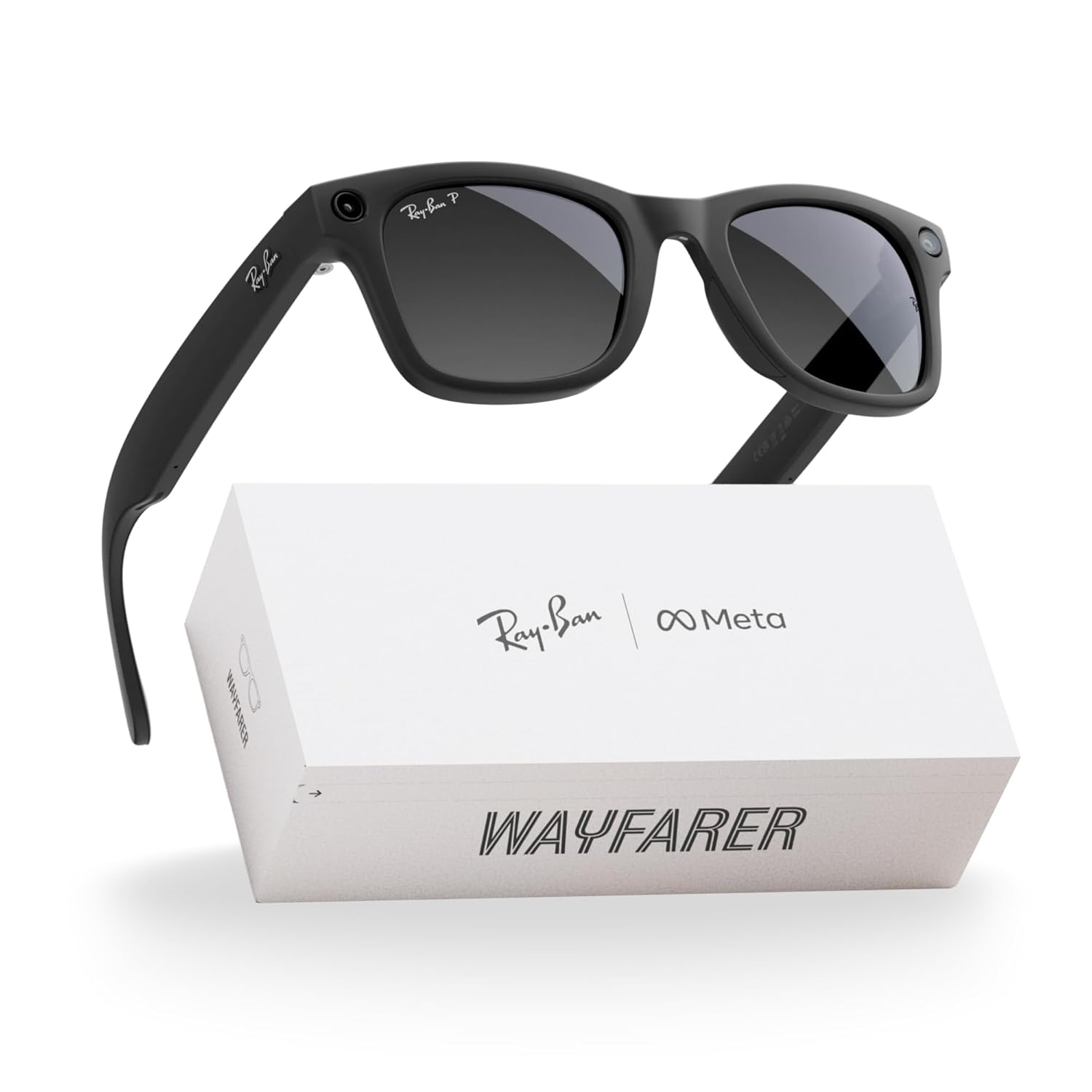
They arrived in a matte black case that felt considered. Opening it felt less like unboxing a gadget and more like opening a decent eyewear purchase. That matters more than it should. And it set up an expectation I kept testing for the next three weeks.
How It Actually Performs
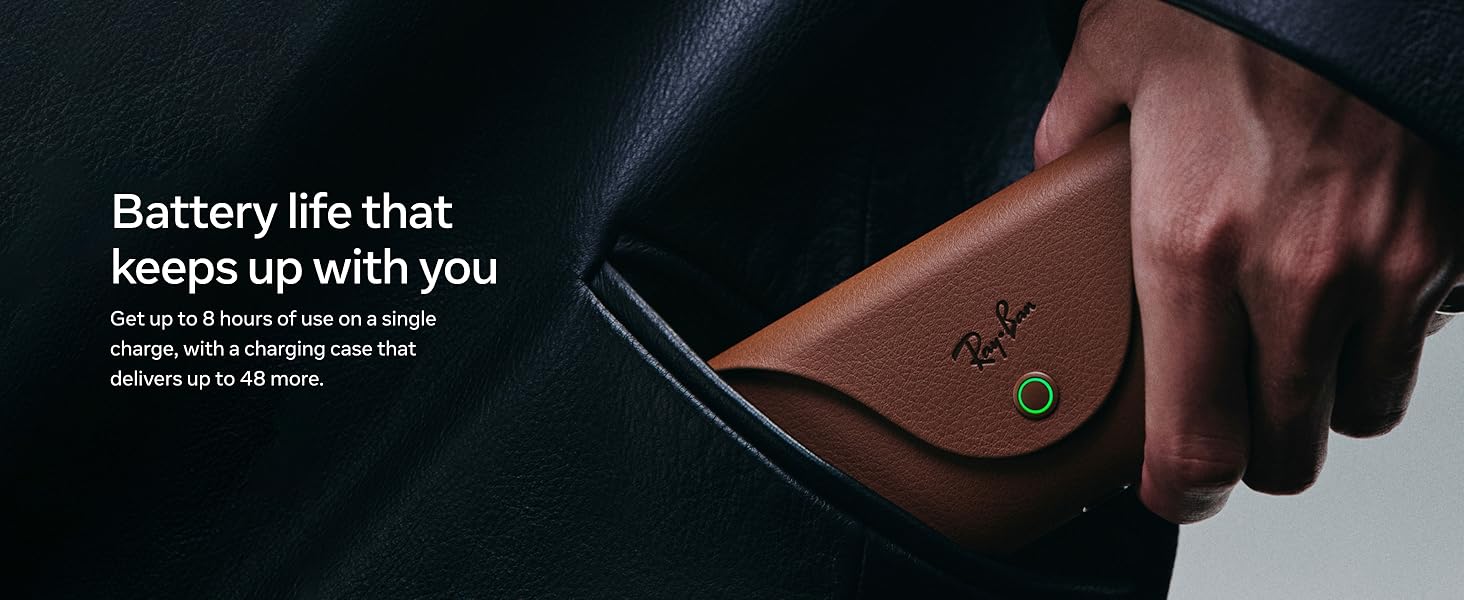
The battery spec says up to 12 hours, and in practice, across long weekend days that included music playback, maybe thirty photo captures, and a handful of AI voice queries, I landed closer to eight to ten hours. That’s real-world honest, and it’s still genuinely better than anything else in the wearable smart glasses space right now. The 12MP camera produces shots that surprised me. Not smartphone-quality, but sharper and more color-accurate than I expected from a pair of frames. Shooting from eye level gives you a framing that no phone can replicate.
“These glasses don’t ask you to change how you move through the world — they just quietly record it with you.”
The open-ear audio is the part that took adjustment. It’s not isolated, it’s not loud, and in a busy environment you’ll hit the volume ceiling fast. But for podcasts on a walk or a navigation cue while cycling, it works cleanly. One honest note: the AI assistant response time varies noticeably depending on your connection speed. On strong LTE it’s snappy. On a weak hotel Wi-Fi it’s sluggish enough to feel broken. For a deeper look at how smart wearables stack up on AI responsiveness, The Verge’s wearable tech coverage has useful context on where the category is headed.
How I Actually Used It
Setup 1: Saturday Morning, Wynwood Walls, Miami
This was the use case the glasses were built for. I walked three miles through the Wynwood Arts District with nothing in my hands, capturing shots by tapping the frame once. The eye-level perspective changes everything about street and travel photography. You’re not stopping, framing, composing. You’re just walking and occasionally pressing a button. My phone stayed in my pocket for two full hours. By the end of the morning I had sixty-three photos transferred automatically to the Meta View app, and maybe fifteen of them were genuinely good images I’d actually post. That’s a hit rate I’d take.
Setup 2: Six-Hour Flight, Window Seat
I wore them through boarding and the first two hours of a flight from Miami to JFK, mostly for the audio. The open-ear speaker format is less isolating than ANC headphones, which meant I could hear the flight attendant without pulling anything out of my ears. For a long-haul travel gadget that doubles as sunglasses, the form factor is unusually practical. I also used the Meta AI feature to summarize a long article I hadn’t finished before takeoff. It worked. It wasn’t magic, but it worked. If you’re building out a broader phone and mobile travel setup, these slip into that ecosystem naturally.
Setup 3: Two Weeks of Daily Commuting
This is where the “wearable computing” pitch either holds or collapses. For me, it held. I wore them every morning on the subway and on foot, using the audio for music and the AI feature occasionally for quick lookups. The matte black finish stayed clean. The frames didn’t feel heavy after an hour. The charging case topped them up overnight every night without drama, using USB-C, which meant I didn’t need a dedicated cable. By week two, I’d stopped thinking of them as a tech product I was testing and started reaching for them like a normal pair of sunglasses.
What Other People Are Saying
The Meta Ray-Ban Gen 2 has been out long enough to accumulate a real pool of user feedback, and the pattern is consistent: people love the form factor and the camera, and they’re divided on the AI features depending on how much they actually use voice assistants in daily life.
The 4.3 rating across 667 reviews suggests a product that over-delivers on the hardware and leaves room to grow on the software side. That tracks with my experience. The glasses part is excellent. The AI part is a beta feature you’re paying to be part of, which is a bet worth knowing you’re making. For broader category comparisons, RTINGS has solid benchmark data on wearable audio and display tech if you want the numbers behind the impressions.
Who Should Skip It
If you need serious audio isolation, these aren’t it. The open-ear design is a feature for some people and a dealbreaker for others, and there’s no version of these glasses that provides noise isolation. If you’re buying this as a primary camera, recalibrate. The 12MP sensor is impressive for a frame-mounted camera, but it doesn’t replace a phone camera for controlled shooting. And if you’re not already in the Meta ecosystem or willing to spend time in the Meta View app, some of the AI features will feel underbuilt. This is a product for people who want less friction, not more features. Those are different buyers.
What It Replaces on My Desk
I had a running setup that included a separate Bluetooth speaker for outdoor walks, a dedicated action camera for travel days, and a pair of polarized sunglasses I liked but never integrated into anything. The Meta Ray-Ban Gen 2 quietly ate all three of those use cases, not completely, but enough that I stopped packing the others. My editor’s picks for everyday carry tech have shifted because of this. The desk slot that used to hold a compact travel audio device is now just a charging case. I don’t miss the weight. For anyone exploring the broader wireless charging and cable-free accessories space, the USB-C integration here is a genuine quality-of-life win.

FAQ
What devices do the Meta Ray-Ban Gen 2 glasses work with?
They pair via Bluetooth with iOS and Android through the Meta View app, which handles photo transfer, audio settings, and AI feature configuration. Compatibility is listed as universal across modern smartphones.
How long does the battery actually last in daily use?
The rated 12-hour battery life is optimistic for mixed use. In real-world testing with music playback, camera use, and occasional AI queries, expect eight to ten hours before you need the charging case.
Can you wear these as regular sunglasses without using the tech features?
Yes, and many people do exactly that. The polarized gradient graphite lenses are optically solid, and the Wayfarer form fits a wide range of face shapes. You can wear them completely passively and they still function as quality sunglasses.
Does the build quality match the premium positioning of the product?
The aluminum and plastic construction feels more considered than most accessories in this category. The matte black finish resists fingerprints and scratches better than expected, and the hinge action is firm without being stiff. For what you’re paying, the build reads several tiers above what you’d expect from a first-generation smart glasses product.
What’s the return or warranty situation?
Meta offers a standard limited warranty covering manufacturing defects, and most major retailers provide their own return windows. Check the retailer’s specific policy before purchase, as terms vary, especially for opened electronics.

The Verdict
Three weeks in, I still reach for the Meta Ray-Ban Gen 2 every morning the way I reach for a watch. That’s not nothing. The design did its job so completely that the tech underneath stopped feeling like a layer I was tolerating and started feeling like infrastructure. The 12MP camera at eye level produces a different kind of visual diary than a phone camera. The extended battery life means they survive a full day without a mid-afternoon anxiety check. The AI features are useful sometimes and invisible the rest of the time, which is exactly the right ratio for a wearable. At this price point, the value reads well above what you’d expect from most smart home and wearable accessories. For anyone who’s been watching the smart wearable space and wondering when the hardware would catch up to the idea, this is the product that makes the category real. If you’re building out a travel gadget kit or a phone and mobile setup that reduces friction, these belong in it. The Meta Ray-Ban Gen 2 is the first smart glasses product that doesn’t ask you to forgive it anything major.
Explore more accessories in our phone camera and lens accessories archive, or browse our tech gift ideas guide for more recommendations at this tier. For reference-level reviews across wearables, Tom’s Guide’s wearables section and Engadget’s hands-on reviews are worth your time. You can also browse adjacent picks in our phone cases and protection category if you’re outfitting a full mobile carry setup.
Every Angle
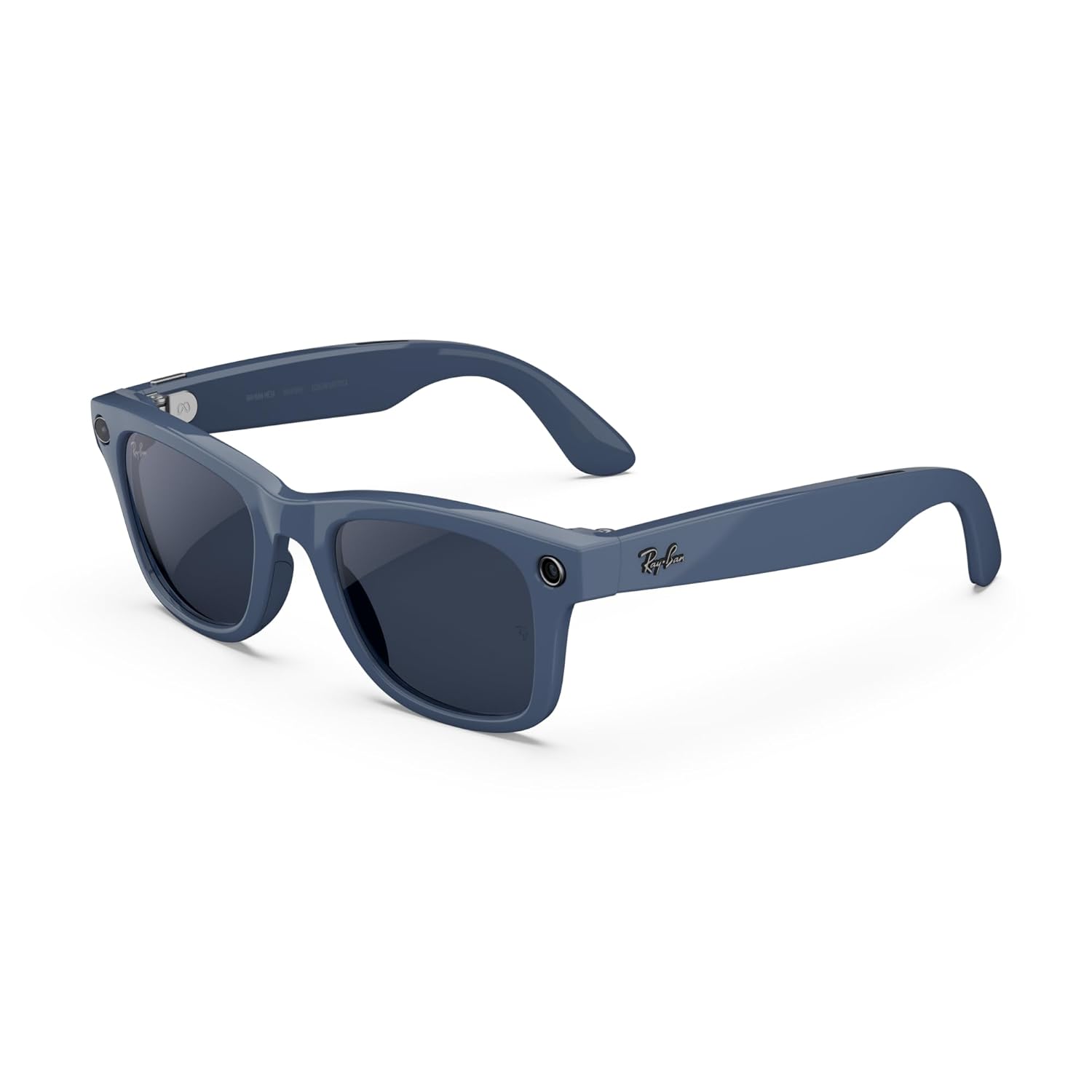
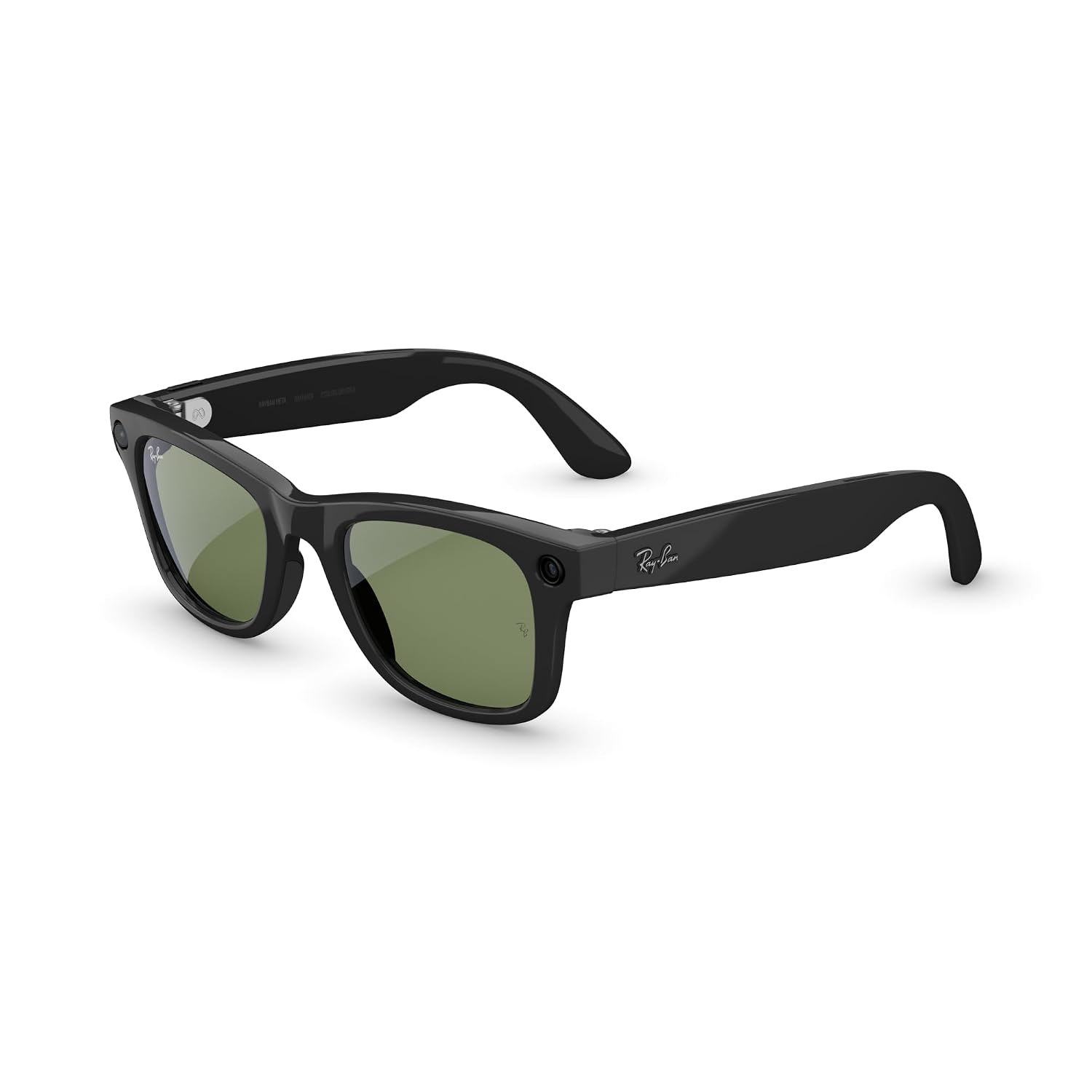
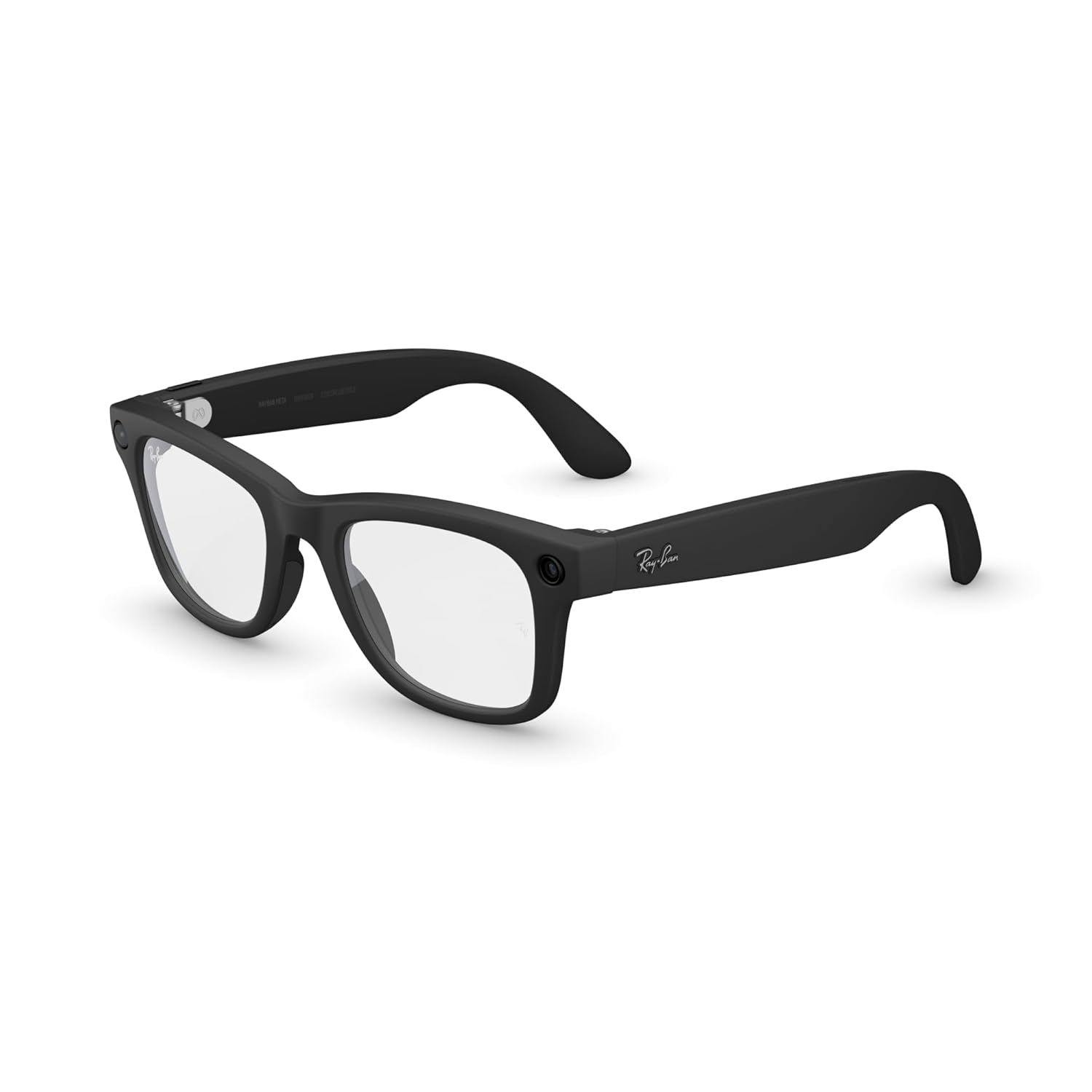
The product as photographed for Amazon — hero, angles, ports, detail.


As an Amazon Associate I earn from qualifying purchases.